
Lasagna is the epitome of comfort food, offering layers of rich flavors and satisfying textures.
In this easy slow cooker version, you can enjoy all the deliciousness with minimal effort.
The blend of hearty meat sauce, creamy ricotta, and gooey cheese comes together perfectly.
Whether it’s a weeknight dinner or a casual gathering, this dish is sure to impress.
Let the slow cooker do the work and savor a meal that brings everyone to the table.
The History and Cultural Significance
• Lasagna traces its origins to ancient Greece and Rome, where it was initially a simple pasta dish.
• The dish evolved over centuries as new ingredients like tomatoes and cheese were introduced, becoming the layered version we know today.
• In Italy, lasagna is traditionally served during family gatherings and celebrations, symbolizing warmth and togetherness.
• While many variations exist across different regions, the authentic version maintains rich meat sauce and creamy ricotta layers that set it apart from imitations.
Recommended Products
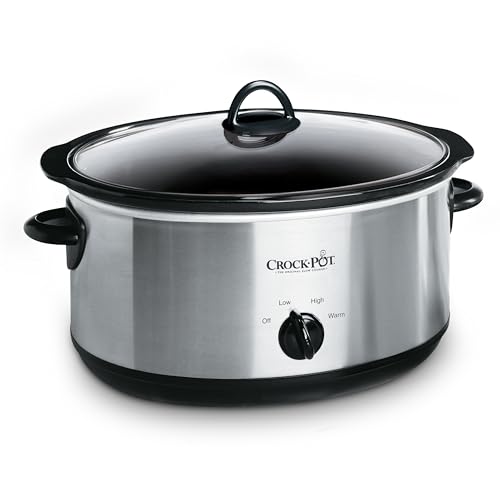
Generous Capacity: 7-quart slow cooker that comfortably serves 9+ people or fits a 7-pound roast


Recipe Overview
Recommended Products

No-boil lasagna noodles

Good source of thiamin, folic acid, iron, riboflavin and niacin

The information below is per-pack only
Nutritional Information (per serving)
Recommended Products

Made with whole milk

15 oz tub of Organic Valley Whole Milk Organic Ricotta Cheese

Made with part skim milk
Essential Equipment Guide
Slow Cooker: This tool is essential for achieving the slow-cooked depth of flavor in the lasagna, allowing the ingredients to meld perfectly. Alternatives like an oven can work, but look for a slow cooker with a timer and warm setting for best results.
Mixing Bowls: Necessary for preparing the cheese mixture and sauce. Opt for a variety of sizes to accommodate different ingredients.
Cheese Grater: Freshly grated cheese melts better and offers superior flavor. Choose a grater with a comfortable handle and sturdy construction.
Recommended Products

One 8 ounce bag of finely shredded Italian-Style Five Cheese Blend

One 8-ounce bag of Shredded Pizza Four Cheese Blend

Traditional Cut Mozzarella & Fine Cut Parmesan Cheese Shreds, Shredded for your ease, Resealable bag keeps the sticks fresh
Ingredients
Recommended Products
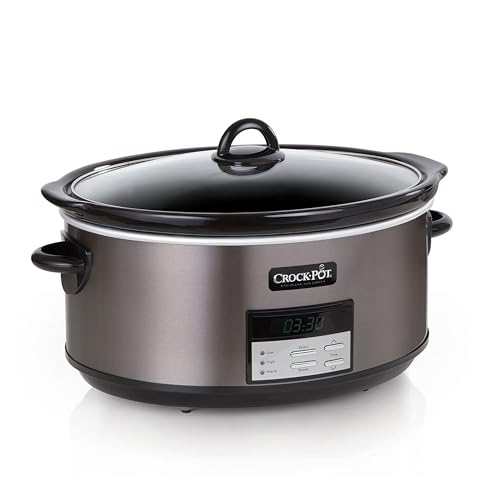
Cooking Capacity: Prepares food for over 10 people, making it a holiday dinner hosting essential.

EASY HANDS-OFF SLOW COOKING: Set your cook time and let the slow cooker do the work. Perfect for pot roast, soups, chili, casseroles, dips, simple weeknight meals, and other comfort food favorites.
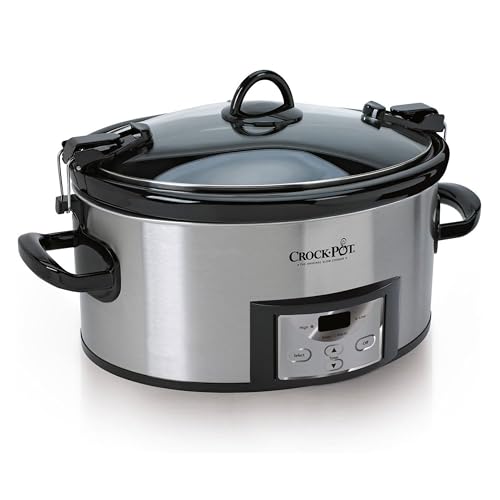
Programmable Digital Timer: Control cooking times from 30 minutes up to 20 hours
For the Meat Sauce
|
| Amount | Ingredient | Notes |
|---|---|---|
| 1 pound | ground beef | adds heartiness |
| 1 medium | onion | finely chopped for flavor |
| 2 cloves | garlic | minced for depth |
| 24 ounces | marinara sauce | provides rich tomato base |
| 1 teaspoon | Italian seasoning | adds authentic flavor |
For the Cheese Layer
| Amount | Ingredient | Notes |
|---|---|---|
| 15 ounces | ricotta cheese | creamy texture |
| 1 cup | mozzarella cheese | shredded for melting |
| 1 cup | parmesan cheese | grated for sharpness |
| 1 large | egg | binds cheese mixture |
For Assembly
| Amount | Ingredient | Notes |
|---|---|---|
| 9 lasagna noodles | uncooked, no-boil needed | |
| 1 cup | mozzarella cheese | shredded for topping |
Preparation Methods
Browning Meat: This technique is crucial for developing flavor in the meat sauce. Ensure the meat is evenly browned without overcrowding the pan to avoid steaming.
Layering: Proper layering ensures even cooking and flavor distribution. Start and end with sauce to keep noodles moist.
Cheese Mixing: Thorough mixing of the cheese layer ingredients ensures a consistent, creamy layer throughout the lasagna.
Recommended Products

PERSONAL 1.5 QUART slow cooker makes cooking fork-tender roasts and poultry a breeze. Cool-touch handles and knob protect hands and allow you to safely transport your slow cooker.

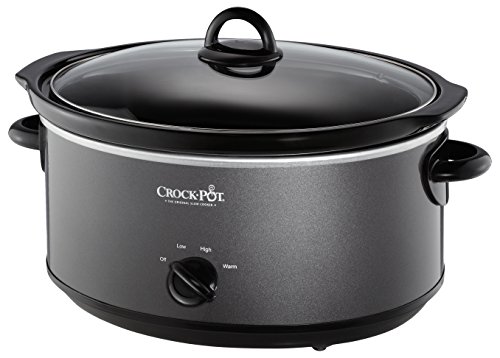
Spacious 7-quart manual slow cooker serves 8+ people or fits a 6-lb. roast
Step 1: Prepare Ingredients

Chop the onion finely and mince the garlic.
Measure out all the cheeses and mix the ricotta, mozzarella, and Parmesan with the egg.
Ensure all ingredients are within reach before starting.
Proper preparation will streamline the layering process.
Recommended Products


PACKAGE CONTENTS: Set of 2 packages of premium oven-ready lasagne pasta sheets, each package containing 10 ounces of pasta

GLUTEN FREE PASTA: Produced in a dedicated gluten free facility and made with 2 main ingredients - corn and rice
Step 2: Brown the Meat

Heat a skillet over medium-high heat and add ground beef.
Cook until evenly browned, breaking up clumps with a spatula.
Add onion and garlic, cooking until onion is translucent.
This step infuses the meat with depth and flavor.
Recommended Products

Part skim milk ricotta. Traditional Italian style


15oz ricotta cheese
Step 3: Combine Sauce

Reduce heat to low and stir in marinara sauce to the beef mixture.
Add Italian seasoning and stir until well combined.
Allow the sauce to simmer for a few minutes to meld flavors.
A rich, aromatic sauce will enhance the overall dish.
Recommended Products

Give the edge your recipes crave with Sargento Low Moisture Part-Skim Mozzarella & Parmesan Shredded Natural Cheeses with McCormick Naturally Flavored Crushed Red Pepper
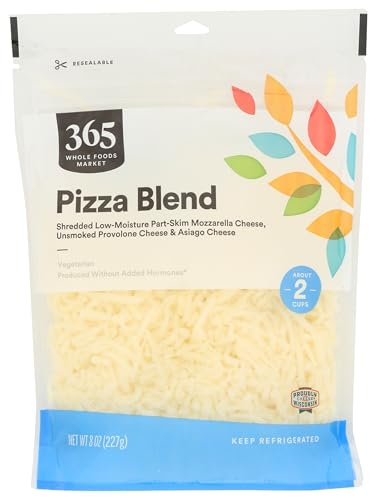
Non-GMO Certified

Brought to you by Whole Foods Market
Step 4: Prepare Cheese Mixture

In a large mixing bowl, combine ricotta, mozzarella, Parmesan, and egg.
Mix until smooth and creamy, ensuring all ingredients are evenly distributed.
This mixture will form the cheesy layer of the lasagna.
Properly mixed cheese ensures even distribution in the dish.
Recommended Products

6-Quart capacity Fits a 6 lb. Roast and can serve 7+ people
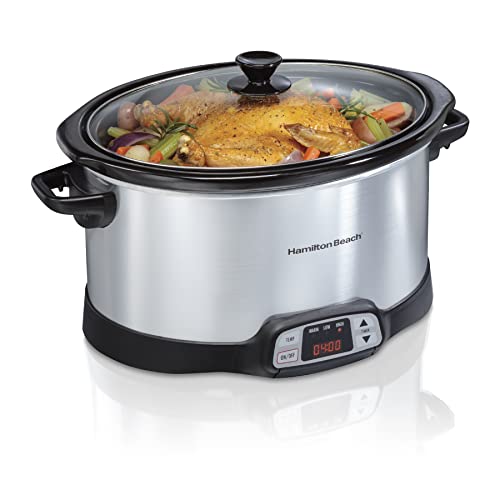
Perfect for Family Meals, Potlucks & Parties. The 8 quart, large capacity slow cooker has a stoneware crock that can fit everything from lasagna and desserts to large cuts of meat. It will hold an 8 lb. chicken or a 6 lb. roast. Serves 10+ people.

NOT YOUR MOM’S SLOW COOKER: Smart technology allows you to cook a recipe to either a desired cooking time or specific temperature, before automatically switching to Warm when it’s done.
Step 5: Assemble Lasagna Layers
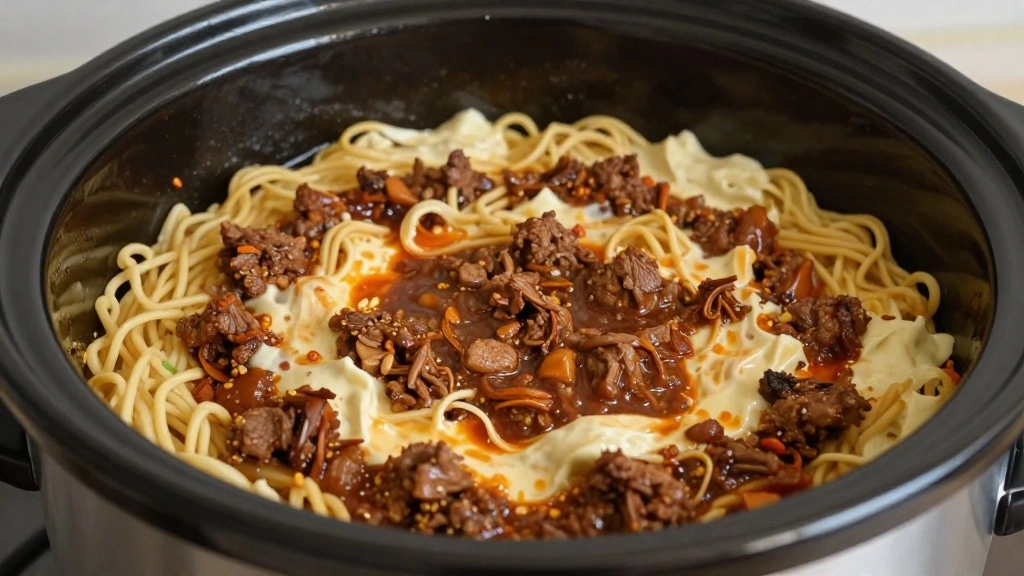
Spread a thin layer of meat sauce on the bottom of the slow cooker.
Place a layer of uncooked noodles over the sauce, breaking to fit as needed.
Spread a portion of the cheese mixture over the noodles.
Repeat layers, ending with meat sauce and a final topping of mozzarella.
Step 6: Cook the Lasagna

Place the lid on the slow cooker and set to low.
Cook for 4 hours, allowing the noodles to soften and flavors to meld.
Check periodically to ensure even cooking, adjusting layers if necessary.
A well-cooked lasagna will have bubbling edges and a tender texture.
Step 7: Rest Before Serving

Turn off the slow cooker and let the lasagna rest for 15 minutes before serving.
This resting period allows the layers to set and makes serving easier.
Carefully remove the lid to avoid steam burns.
A rested lasagna will cut cleanly and hold its shape better.
Step 8: Serve and Enjoy

Use a large spatula to serve portions onto plates.
Garnish with fresh basil or parsley for added color and flavor.
Serve with a side salad or garlic bread to complement the meal.
Enjoy the rich, layered flavors of your slow-cooked creation.
Critical Timing and Temperature Guide
Browning Meat: Ensure the skillet is hot before adding meat. Cook for about 7-10 minutes until browned, avoiding overcrowding to prevent steaming.
Simmering Sauce: Allow sauce to simmer for 5-10 minutes on low heat to meld flavors, stirring occasionally to prevent sticking.
Slow Cooking: Set the slow cooker to low for 4 hours. Avoid lifting the lid frequently as it can extend cooking time.
Pro Tips for Slow Cooker Crock
• Ingredient Selection: Opt for high-quality marinara sauce for the best flavor. The sauce forms the backbone of the dish.
• Preparation Secret: Let the meat sauce cool slightly before layering to prevent cheese melting unevenly.
• Temperature Management: Pre-warm the slow cooker to avoid a cold start which can prolong cooking time.
• Texture Enhancement: Use no-boil noodles which cook perfectly in the slow cooker without becoming mushy.
• Flavor Layering: Add a pinch of nutmeg to the cheese mixture for a subtle depth of flavor.
• Make-Ahead Strategies: Prepare the meat sauce a day in advance and refrigerate. This enhances the flavor.
• Restaurant-Quality Finishing Touches: Broil the top layer of cheese until golden for a professional finish.
• Equipment Optimization: Use a slow cooker liner for easy cleanup and even heat distribution.
Troubleshooting Common Issues
• Texture Too Dense: This often happens if the noodles are not fully covered in sauce. Ensure each layer is evenly coated.
• Flavors Unbalanced: If the dish tastes too acidic, add a small amount of sugar to the sauce to balance flavors.
• Cheese Not Melting: Ensure cheese is grated fresh for better melting properties. Pre-packaged cheese contains additives that prevent smooth melting.
• Overcooked Pasta: Avoid overcooking by using no-boil noodles and following the exact cooking time.
• Undercooked Layers: If layers are not fully cooked, increase cooking time in 30-minute increments, checking periodically.
• Soggy Lasagna: This can occur if there’s too much sauce. Measure sauce carefully and ensure even distribution.
Variations and Regional Differences
• Neapolitan Style: This version includes hard-boiled eggs and small meatballs between layers, reflecting the region’s preference for hearty ingredients.
• Vegetarian Lasagna: Substitute meat with layers of roasted vegetables like zucchini and eggplant for a lighter, plant-based option.
• Bolognese Lasagna: Incorporates a rich meat ragu with layers of béchamel sauce, traditional in the Emilia-Romagna region.
• Seafood Lasagna: Popular in coastal Italian regions, this version uses seafood like shrimp and crab, paired with a creamy white sauce.
Food Science Behind the Recipe
• Maillard Reaction: Browning the meat initiates this reaction, creating deeper flavors and enhancing the savory profile of the dish.
• Emulsification: The mixing of cheese and egg creates an emulsion, providing a creamy, stable cheese layer that binds well.
• Gelatinization: The starch in the pasta absorbs liquid and heat, causing it to swell and soften to the perfect texture.
Frequently Asked Questions
What's the most common mistake people make when preparing lasagna? Overcooking the noodles or using too much sauce can lead to a soggy lasagna.
Can I freeze leftover lasagna? Yes, lasagna freezes well. Cool completely, portion, and wrap in plastic before freezing.
What's the best way to reheat lasagna? Reheat in the oven at 350°F covered with foil until heated through for best results.
Can I use gluten-free noodles? Absolutely, just ensure they are suitable for no-boil preparation.
What can I substitute for ricotta cheese? Cottage cheese is a common substitute, though it slightly alters the texture.
Is it necessary to pre-cook the noodles? No, using no-boil noodles is ideal for this slow cooker method.
How can I thicken a runny sauce? Simmer the sauce longer to reduce moisture before layering in the lasagna.
Serving and Presentation Guide
• Traditional Presentation: Serve in large squares on white plates, allowing the layers to be visible and inviting.
• Individual Servings: Use small ramekins to create personal-sized lasagnas for an elegant touch.
• Family Style: Present the entire slow cooker at the table for a communal, rustic dining experience.
• Garnishing: Add a sprinkle of fresh basil or parsley for color contrast and a burst of fresh flavor.
Conclusion
This easy slow cooker lasagna brings the warmth of Italian kitchens to your home with minimal fuss.
The layers of rich meat sauce, creamy cheese, and tender noodles create a perfect harmony of flavors.
Try this recipe for a hassle-free, crowd-pleasing meal that’s sure to become a family favorite.