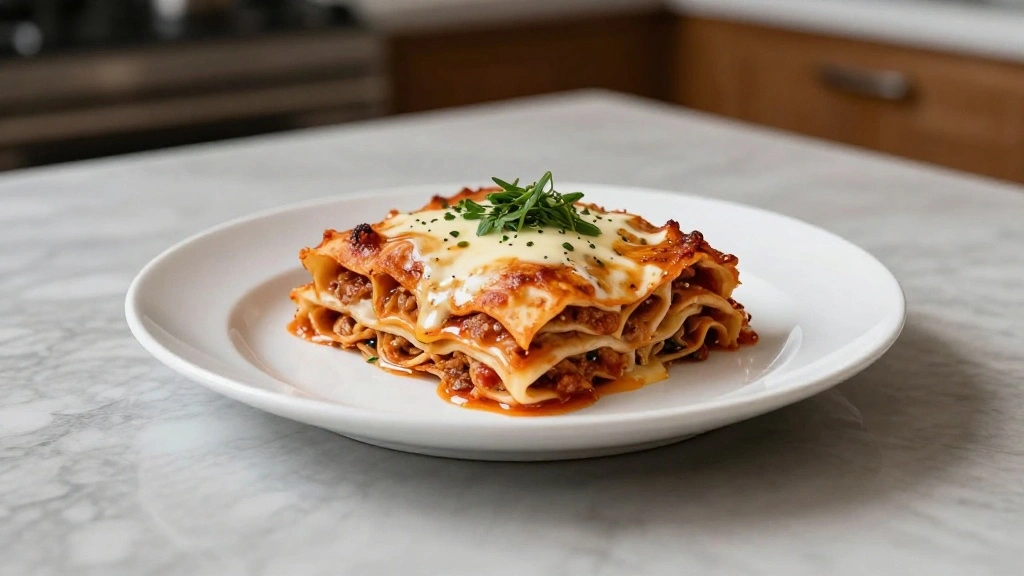
Lasagna, with its layers of rich, savory flavors, is a beloved classic that brings comfort and joy to any table.
The combination of creamy béchamel, hearty meat sauce, and perfectly cooked pasta creates a symphony of flavors that leaves a lasting impression.
I first fell in love with this recipe on a chilly evening in Italy, where a local family shared their generational recipe with me.
The warmth and satisfaction this dish provides make it perfect for family gatherings or special occasions.
Whether you’re a seasoned chef or a home cook, this lasagna recipe is straightforward yet delivers an unforgettable experience.
The History and Cultural Significance
• The Best Lasagna traces its origins to Ancient Rome, where it was originally created by layering pasta with rich sauces and cheese.
• The dish evolved over decades as tomatoes were introduced from the New World, eventually becoming the beloved version we know today.
• In Italy, this dish traditionally appears at family gatherings and holiday celebrations, symbolizing warmth and togetherness.
• While many variations exist across different regions, the authentic version maintains its distinct layers and rich flavors that set it apart from imitations.




Recipe Overview
Nutritional Information (per serving)


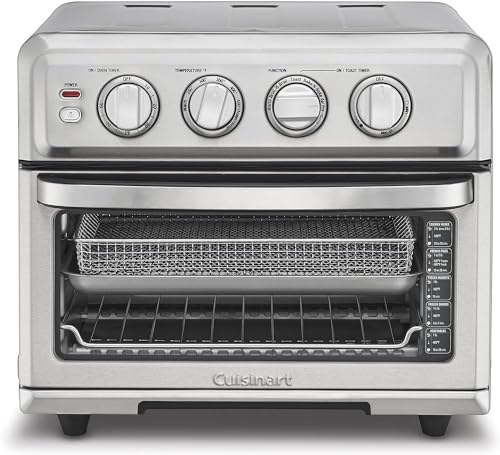
Essential Equipment Guide
Large Casserole Dish: A large casserole dish is crucial for evenly cooking the layers of lasagna, ensuring each layer retains its moisture and flavor. Alternatives include a deep baking tray, but ensure it’s oven-safe and distributes heat evenly.
Heavy-Duty Aluminum Foil: This helps in covering the lasagna to prevent the top from over-browning while allowing it to cook through. Look for foil that is thick enough to hold its shape and withstand oven temperatures.
Sharp Chef’s Knife: A sharp knife is essential for slicing the lasagna cleanly into portions, maintaining the integrity of each layer. A serrated knife can be an alternative, especially for cutting through the top crust.


Ingredients
For the Meat Sauce
|
| Amount | Ingredient | Notes |
|---|---|---|
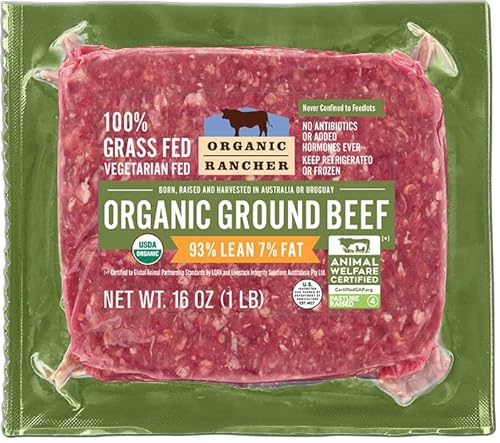
| 1 pound | ground beef | adds hearty flavor and texture |
| 1 pound | ground pork | enhances richness |
| 1 medium | onion | finely chopped for depth of flavor |
| 2 cloves | garlic | minced for aromatic base |
| 28 ounces | canned tomatoes | crushed for sauce |
| 2 tablespoons | tomato paste | thickens sauce |
| 1 teaspoon | dried oregano | infuses traditional Italian flavor |
For the Béchamel Sauce
| Amount | Ingredient | Notes |
|---|---|---|
| 4 tablespoons | butter | adds creaminess |
| 1/4 cup | all-purpose flour | for thickening |
| 3 cups | milk | provides smooth texture |
| 1/4 teaspoon | nutmeg | subtle spice |
Pasta and Cheese
| Amount | Ingredient | Notes |
|---|---|---|
| 12 sheets | lasagna noodles | cooked to al dente |
| 3 cups | mozzarella cheese | shredded for melting |
| 1 cup | Parmesan cheese | grated for topping |



Preparation Methods
Béchamel Sauce Preparation: Béchamel sauce, a classic white sauce, is prepared by melting butter and whisking in flour to create a roux. Slowly add milk while whisking to prevent lumps, creating a smooth, creamy base essential for lasagna.
Simmering Meat Sauce: Simmering the meat sauce allows flavors to meld and deepen. This technique ensures tender meat and a richly flavored sauce, vital for an authentic lasagna experience.
Layering Technique: Proper layering is crucial for balanced flavors. Start with a thin layer of sauce, followed by pasta, more sauce, béchamel, and cheese. Repeat, finishing with a generous layer of cheese for a golden crust.


Step 1: Prepare Ingredients

Begin by gathering all necessary ingredients and equipment.
Ensure meats are thawed, vegetables are chopped, and cheeses are grated.
Organize ingredients in separate bowls for easy access during cooking.
Preheat your oven to 375°F (190°C) before starting any preparation.
Step 2: Make the Meat Sauce
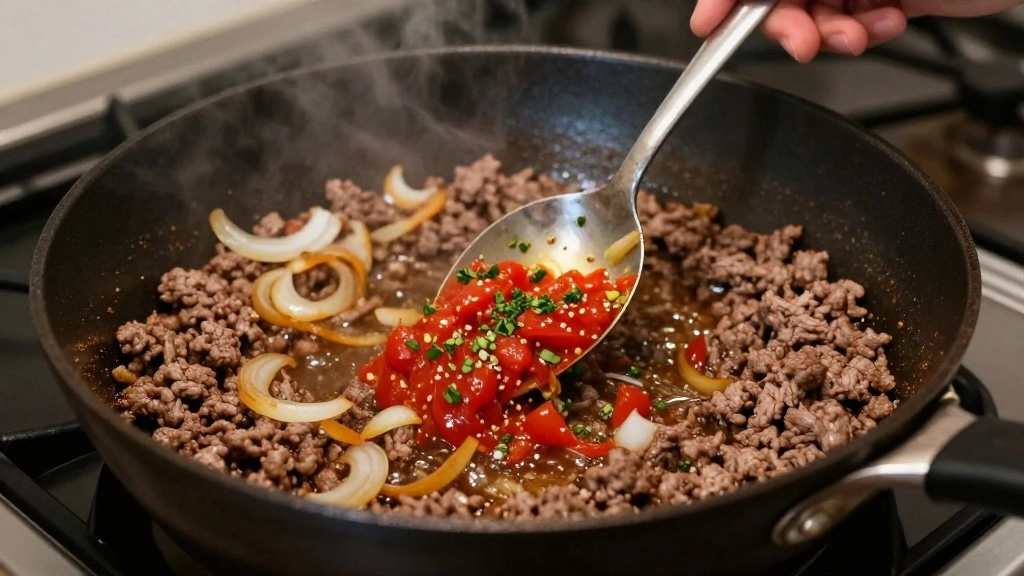
Heat a large skillet over medium heat and add ground beef and pork.
Cook until browned, breaking it up with a spatula.
Add onions and garlic, cooking until onions are translucent.
Stir in crushed tomatoes, tomato paste, and oregano, simmering for 20 minutes.


Step 3: Prepare the Béchamel Sauce

In a saucepan, melt butter over medium heat until it begins to bubble.
Whisk in flour to form a roux, cooking for about 2 minutes.
Slowly add milk, whisking continuously to prevent lumps.
Cook until the sauce thickens, seasoning with nutmeg and salt to taste.


Step 4: Cook the Lasagna Noodles

Bring a large pot of salted water to a boil.
Add lasagna noodles, cooking until al dente, about 8 minutes.
Drain noodles and lay them flat on a sheet of parchment paper to prevent sticking.
Ensure noodles are slightly undercooked as they will continue to cook in the oven.


Step 5: Assemble the Lasagna

Spread a thin layer of meat sauce on the bottom of a casserole dish.
Layer noodles over the sauce, followed by more meat sauce, béchamel, and cheese.
Repeat the layering process, finishing with a generous layer of mozzarella and Parmesan.
Ensure even distribution of sauces and cheese for balanced flavors.
Step 6: Bake the Lasagna

Cover the lasagna with aluminum foil to prevent over-browning.
Place the dish in the preheated oven and bake for 40 minutes.
Remove foil and bake for an additional 10-15 minutes until cheese is golden and bubbly.
Allow the lasagna to rest for 10 minutes before slicing.
Step 7: Serve the Lasagna

Use a sharp knife to cut the lasagna into portions.
Serve with a side of garlic bread or a fresh green salad.
Garnish with fresh basil or parsley for a burst of color.
Enjoy the layers of flavor and comforting texture.


Step 8: Store Leftovers

Allow any leftover lasagna to cool to room temperature.
Transfer portions to airtight containers for storage.
Refrigerate for up to 3 days or freeze for longer storage.
Reheat in the oven or microwave until hot throughout before serving.




Critical Timing and Temperature Guide
Baking: Bake lasagna at 375°F (190°C) for 40 minutes covered, then 10-15 minutes uncovered. Look for a golden-brown top and bubbling edges. Avoid removing foil too early to prevent drying out.
Simmering Sauce: Simmer meat sauce for at least 20 minutes. The sauce should thicken slightly and develop a rich aroma. Avoid high heat to prevent burning.
Resting Time: Let the lasagna rest for 10 minutes after baking. This helps the layers set and makes slicing easier. Avoid slicing immediately to prevent a runny dish.
Pro Tips for The Best Lasagna
• Ingredient Selection: Choose high-quality canned tomatoes and freshly grated cheeses for the best flavor and texture.
• Preparation Secret: Let the béchamel sauce cool slightly before layering to prevent curdling.
• Temperature Management: Ensure all ingredients, especially the béchamel, are at room temperature for even cooking.
• Texture Enhancement: Cook noodles slightly under al dente to absorb sauce flavors without becoming mushy.
• Flavor Layering: Add a dash of red wine to the meat sauce to enhance depth and richness.
• Make-Ahead Strategies: Prepare the meat sauce a day in advance to allow flavors to meld, storing it in the refrigerator.
• Restaurant-Quality Finishing Touches: Broil the lasagna for the last 2 minutes for a perfectly crispy top.
• Equipment Optimization: Use a convection oven setting if available for even heat distribution.
Troubleshooting Common Issues
• Texture Too Dense: This can occur if the noodles are overcooked or the sauce is too thick. Next time, cook noodles to just under al dente and ensure the sauce is slightly runny.
• Flavors Unbalanced: If the lasagna tastes too acidic, add a small amount of sugar to the sauce to balance the flavors. Taste test before assembling.
• Sauce Too Watery: This often happens if the sauce hasn't simmered long enough. Allow the sauce to reduce more next time, or add a tablespoon of tomato paste.
• Cheese Not Melting: Use freshly grated cheese instead of pre-shredded, which often contains anti-caking agents that hinder melting.
• Top Too Brown: Cover the lasagna with foil during most of the baking process and only remove it for the final browning.
• Layers Slipping: Allow the lasagna to rest after baking to set the layers, ensuring a clean slice.
Variations and Regional Differences
• Northern Italian Variation: This version uses a rich meat ragù and often incorporates a small amount of pancetta or prosciutto for added depth.
• Vegetarian Variation: Replace the meat with layers of roasted vegetables like zucchini, eggplant, and bell peppers for a lighter, vegetarian-friendly option.
• Neapolitan Lasagna: Includes hard-boiled eggs, small meatballs, and ricotta cheese, providing a unique texture and flavor profile.
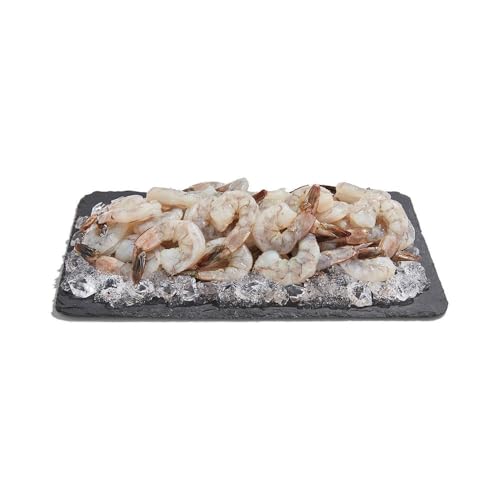
• Seafood Lasagna: A coastal Italian variation that swaps out traditional meats for seafood like shrimp and crab, paired with a light cream sauce.




Food Science Behind the Recipe
• Maillard Reaction: The browning of the cheese on top of the lasagna is the result of the Maillard reaction, which enhances flavor and creates a crispy texture.
• Emulsification: The béchamel sauce serves as an emulsion, combining fat and liquid to create a creamy texture that binds the layers together.
• Gelatinization: The flour in the béchamel sauce undergoes gelatinization, thickening the sauce as it cooks and cools, which is crucial for proper layering.
Frequently Asked Questions
What's the most common mistake people make when preparing lasagna? Overcooking the noodles is a frequent issue. Ensure they are slightly undercooked before baking.
Can I prepare lasagna in advance? Yes, you can assemble it a day ahead and refrigerate it, allowing the flavors to meld.
How do I prevent my lasagna from being too watery? Ensure your sauces are well-reduced before assembling, and let the lasagna rest after baking.
What's the best way to reheat lasagna? Reheat in the oven at 350°F (175°C) until heated through, covering with foil to prevent drying out.
Can I use no-boil noodles? Yes, but adjust the sauce consistency as no-boil noodles absorb more liquid during cooking.
Is it necessary to cover lasagna with foil when baking? Yes, covering with foil helps prevent the cheese from burning while the lasagna cooks through.
What can I substitute for béchamel sauce if I'm lactose intolerant? Use a dairy-free milk and butter alternative to make a lactose-free béchamel.
Serving and Presentation Guide
• Traditional Presentation: Serve lasagna in a large, deep dish, garnished with fresh basil leaves for a pop of color.
• Individual Portions: Cut lasagna into squares and plate individually, drizzling with extra béchamel sauce for an elegant touch.
• Family Style: Place the entire dish at the center of the table, allowing guests to serve themselves, fostering a communal dining experience.
• Elegant Plating: Pair with a side of arugula salad and a drizzle of balsamic reduction for a sophisticated presentation.



Conclusion
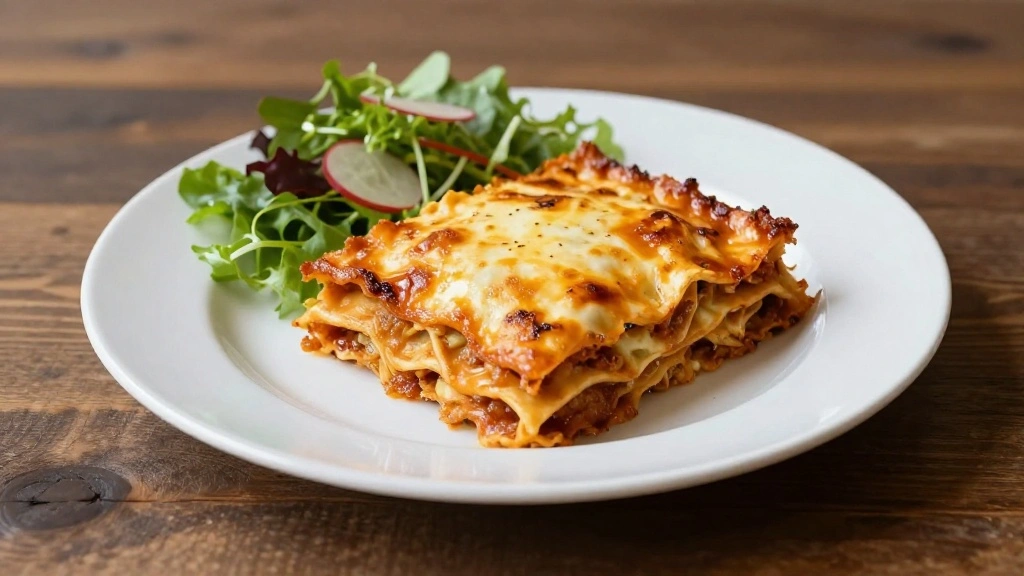
This lasagna recipe combines rich flavors and comforting textures to create a truly memorable dish.
Whether you're cooking for family or friends, this lasagna is sure to impress and satisfy.
With these tips and techniques, you'll be able to create the best lasagna you've ever tried.
Enjoy the process, and savor every delicious bite.