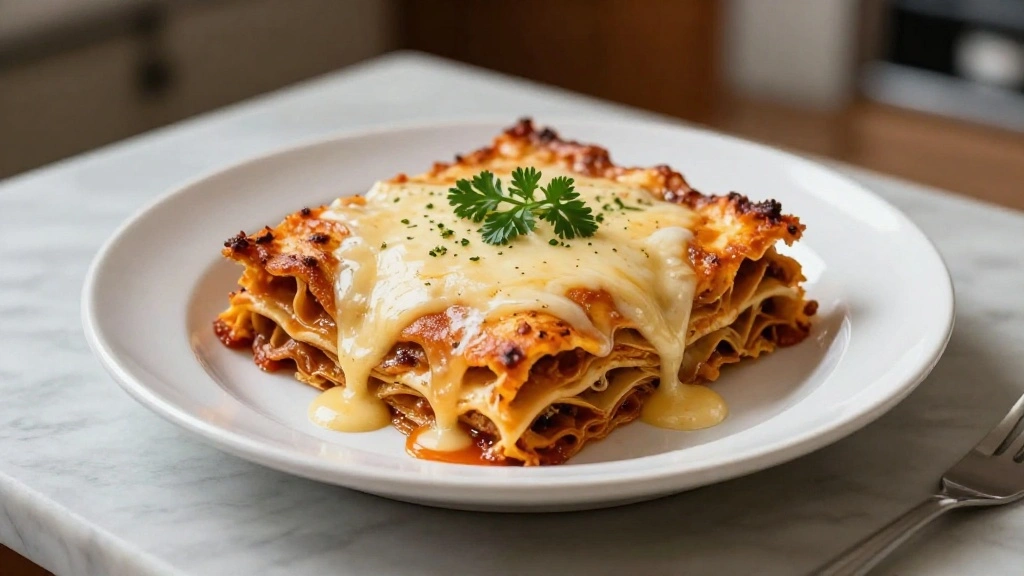
This classic Three-Cheese Lasagna brings together centuries of culinary tradition with modern techniques to create a dish that’s both comforting and elegant.
The harmonious balance of creamy ricotta, savory mozzarella, and sharp Parmesan creates a memorable dining experience that will have everyone asking for your secret.
I discovered this recipe during my travels through Italy, where local chefs have perfected it through generations of careful refinement.
Whether you’re preparing a casual family dinner or hosting a special celebration, this Three-Cheese Lasagna delivers impressive results with straightforward preparation.
The History and Cultural Significance
• Three-Cheese Lasagna Recipe traces its origins to Italy, where it was originally created by skilled chefs in the region.
• The dish evolved over decades as new cheese varieties and cooking techniques were introduced, eventually becoming the beloved version we know today.
• In Italian culture, this dish traditionally appears at family gatherings and festive occasions, symbolizing unity and celebration.
• While many variations exist across different regions, the authentic version maintains a rich cheese blend that sets it apart from imitations.
Recipe Overview
Nutritional Information (per serving)


Essential Equipment Guide
Baking Dish: A large, deep baking dish is crucial for achieving the perfect lasagna layers. Alternatives like a cast-iron skillet can work, but ensure it’s oven-safe. Look for a dish with a non-stick surface to facilitate easy serving.
Cheese Grater: A fine cheese grater is essential for freshly grated cheese, which melts more evenly and enhances flavor. Box graters or rotary graters are good substitutes, but ensure they have sharp blades.
Mixing Bowls: A set of various-sized mixing bowls helps keep ingredients organized and allows for efficient preparation. Stainless steel or glass bowls are preferable for easy cleaning and durability.


Ingredients
For the Base
|
| Amount | Ingredient | Notes |
|---|---|---|
| 12 sheets | lasagna noodles | cooked al dente |
For the Cheese Layer
| Amount | Ingredient | Notes |
|---|---|---|
| 2 cups | ricotta cheese | adds creaminess |
| 2 cups | mozzarella cheese | shredded, provides gooey texture |
| 1 cup | Parmesan cheese | grated, adds sharpness |
For the Sauce
| Amount | Ingredient | Notes |
|---|---|---|
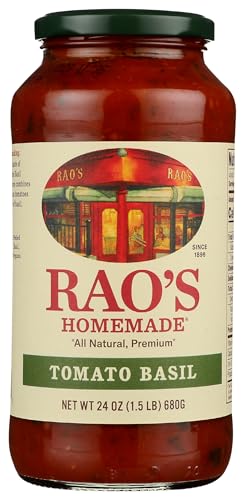
| 4 cups | tomato sauce | rich and flavorful |
| 1 medium | onion | finely chopped |
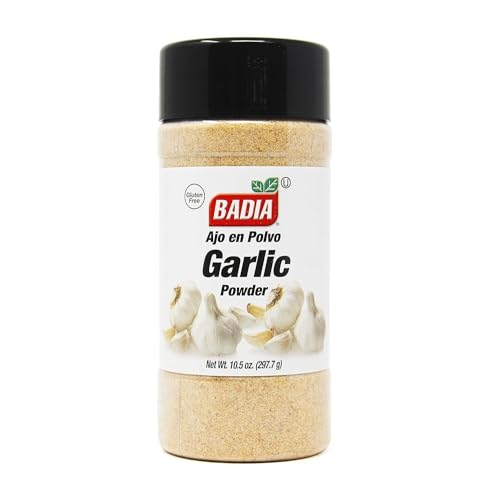
| 2 cloves | garlic | minced, enhances aroma |
Seasonings
| Amount | Ingredient | Notes |
|---|---|---|
| 1 teaspoon | dried oregano | adds depth |
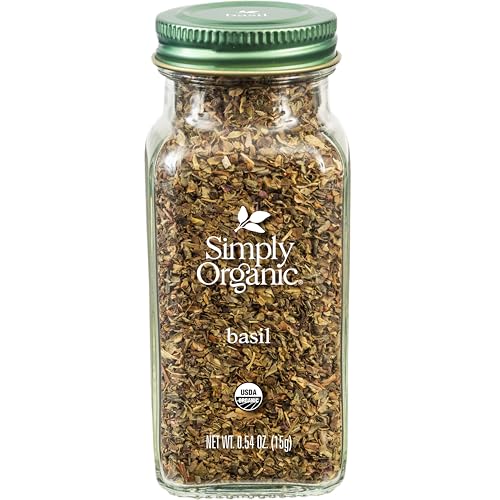
| 1 teaspoon | dried basil | enhances flavor |
| 1 teaspoon | salt | enhances taste |
| 1 teaspoon | black pepper | adds spiciness |


Preparation Methods
Layering Technique: Mastering the art of layering is key to a well-structured lasagna. Start with a thin layer of sauce to prevent sticking. Alternate layers of noodles, cheese, and sauce for even distribution. Use a spatula for smooth layers.
Sauce Reduction: Reducing the tomato sauce concentrates flavors and prevents a watery lasagna. Simmer sauce over medium heat until it thickens. Stir regularly to prevent burning.
Cheese Blending: Combine cheeses evenly to ensure a uniform melt. Allow cheeses to come to room temperature before mixing to prevent clumping.




Step 1: Prepare Ingredients

Gather all ingredients and equipment.
Preheat the oven to 375°F (190°C).
Cook lasagna noodles according to package instructions until al dente.
Drain and set aside to cool slightly.
Step 2: Make the Sauce

Heat olive oil in a pan over medium heat.
Add chopped onions and garlic, sautéing until translucent.
Pour in tomato sauce and stir in oregano, basil, salt, and pepper.
Simmer for 15 minutes, stirring occasionally, until the sauce thickens.



Step 3: Blend the Cheeses

In a mixing bowl, combine ricotta, half of the mozzarella, and half of the Parmesan.
Stir until well blended and smooth.
Reserve the remaining mozzarella and Parmesan for topping.
Set aside the cheese mixture for layering.
Step 4: Assemble the Lasagna
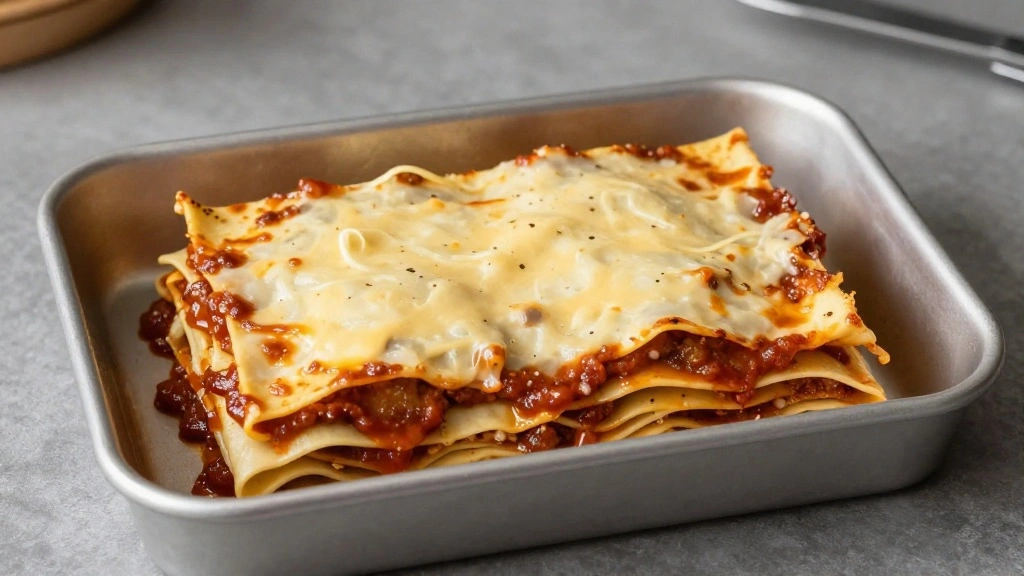
Spread a thin layer of sauce at the bottom of the baking dish.
Place a layer of lasagna noodles over the sauce.
Add a layer of the cheese mixture, spreading evenly.
Repeat layers until all ingredients are used, finishing with a layer of sauce and remaining cheeses on top.
Step 5: Bake the Lasagna

Cover the baking dish with aluminum foil.
Place in the preheated oven.
Bake for 45 minutes, then remove the foil.
Continue baking for an additional 15 minutes, until the top is golden and bubbly.
Step 6: Rest Before Serving
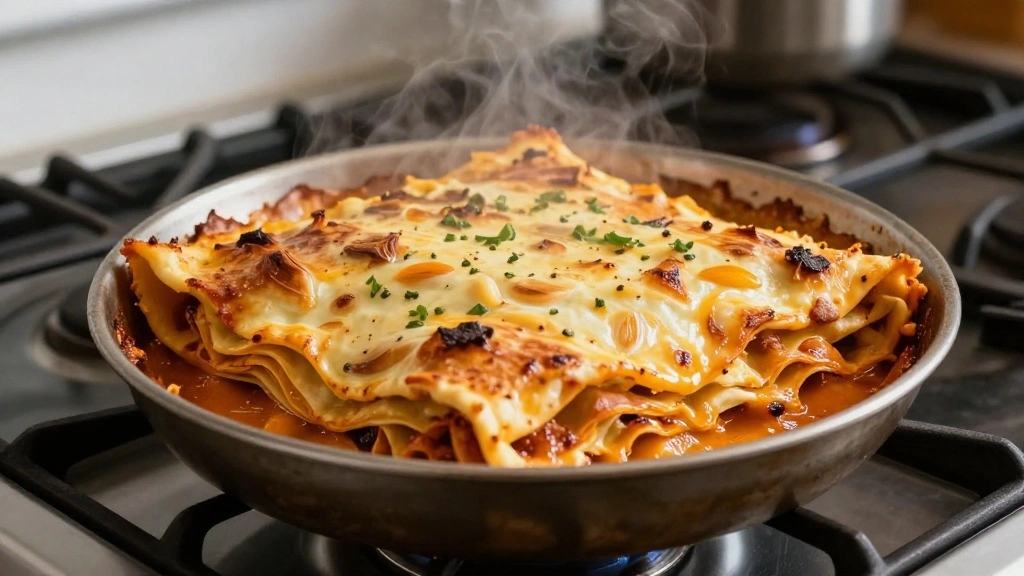
Remove lasagna from the oven and let it rest for 10 minutes.
This allows the layers to set and makes serving easier.
Use a sharp knife to cut into portions.
Serve hot with a sprinkle of fresh basil if desired.



Critical Timing and Temperature Guide
Sauce Reduction: Simmer sauce for 15 minutes at medium heat. Look for a thickened consistency. Avoid high heat to prevent burning.
Baking: Bake at 375°F (190°C) for 45 minutes, then uncover and bake for 15 minutes more. Top should be golden brown and bubbling.
Resting: Allow lasagna to rest for 10 minutes after baking. It should set slightly but remain warm. Avoid cutting too soon to prevent layers from sliding.
Pro Tips for Three-Cheese Lasagna Recipe
• Ingredient Selection: Choose high-quality, fresh cheeses for the best flavor and texture. Freshly grated cheese melts better and enhances the dish.
• Preparation Secret: Slightly undercook the noodles to prevent them from becoming mushy during baking. This ensures a firm bite.
• Temperature Management: Allow cheeses to reach room temperature before mixing to ensure smooth blending and even melting.
• Texture Enhancement: Layer ingredients evenly to ensure a balanced texture and flavor distribution throughout the lasagna.
• Flavor Layering: Sautéing garlic and onions before adding to the sauce deepens flavors, making the dish more aromatic.
• Make-Ahead Strategies: Assemble the lasagna a day in advance and refrigerate. This helps flavors meld and saves time on the day of serving.
• Restaurant-Quality Finishing Touches: Add a sprinkle of fresh herbs, like basil or parsley, before serving for a burst of color and freshness.
• Equipment Optimization: Use a sharp knife for clean slices and a wide spatula for easy serving, ensuring layers remain intact.


Troubleshooting Common Issues
• Texture Too Dense: Overcooked noodles can make the dish dense. Use al dente noodles and ensure sauce is adequately reduced.
• Flavors Unbalanced: If it tastes too acidic, add a pinch of sugar to the sauce. Adjust seasonings after tasting.
• Cheese Not Melting Properly: Ensure cheeses are at room temperature before use. Grate fresh cheese for better melting.
• Watery Lasagna: Ensure the sauce is thick before layering. Drain excess moisture from cooked noodles.
• Layers Sliding Apart: Allow the lasagna to rest for at least 10 minutes before cutting to let layers set.
• Burnt Top: If the top is browning too quickly, cover with foil and finish baking uncovered for the last 15 minutes.
Variations and Regional Differences
• Neapolitan Variation: Uses ricotta and mozzarella with a meat sauce, adding cooked sausage for a heartier dish.
• Vegetarian Style: Incorporates layers of roasted vegetables like zucchini and eggplant, replacing meat with mushrooms.
• Seafood Lasagna: Combines shrimp and crab with a light béchamel sauce instead of tomato, offering a coastal twist.
• Spinach and Ricotta: Adds fresh spinach to the cheese layers for a nutritious and colorful variation.




Food Science Behind the Recipe
• Maillard Reaction: The browning of cheese on top is due to the Maillard reaction, which enhances flavor and texture.
• Emulsification: The blending of cheeses and sauce creates a stable mixture that ensures a creamy texture.
• Starch Gelatinization: Cooking noodles to al dente allows starch to gelatinize, maintaining their shape during baking.
Frequently Asked Questions
What's the most common mistake people make when preparing Three-Cheese Lasagna? Overcooking the noodles or using too much sauce can result in a soggy lasagna. Ensure noodles are al dente, and the sauce is thick.
Can I freeze lasagna? Yes, lasagna freezes well. Assemble and freeze before baking. Thaw overnight in the fridge before baking as directed.
How do I reheat leftovers? Cover with foil and bake at 350°F (175°C) for 20-25 minutes until heated through. Avoid microwaving to prevent sogginess.
Can I use different cheeses? Absolutely! Experiment with cheeses like fontina or provolone for unique flavors.
Why is my lasagna watery? Ensure the sauce is reduced and noodles are drained well before assembly.
Is it necessary to cover with foil while baking? Yes, it prevents the top from burning and allows even cooking. Remove foil for the last 15 minutes for browning.
How can I make a gluten-free version? Use gluten-free lasagna noodles and ensure all other ingredients are gluten-free certified.
What's the best way to cut lasagna? Use a sharp knife, wiping it clean between cuts for neat slices.
How long can I store cooked lasagna? Store in the refrigerator for up to 3 days or freeze for up to 3 months.
Serving and Presentation Guide
• Traditional Presentation: Serve lasagna in the baking dish, allowing guests to help themselves to hearty portions.
• Individual Portions: For a more elegant presentation, pre-cut lasagna into individual servings on plates, garnished with fresh herbs.
• Buffet Style: Present alongside a selection of sides like garlic bread and salad for a complete meal experience.
• Family Style: Place the entire dish on the table with serving utensils, allowing everyone to enjoy communal dining.
Conclusion
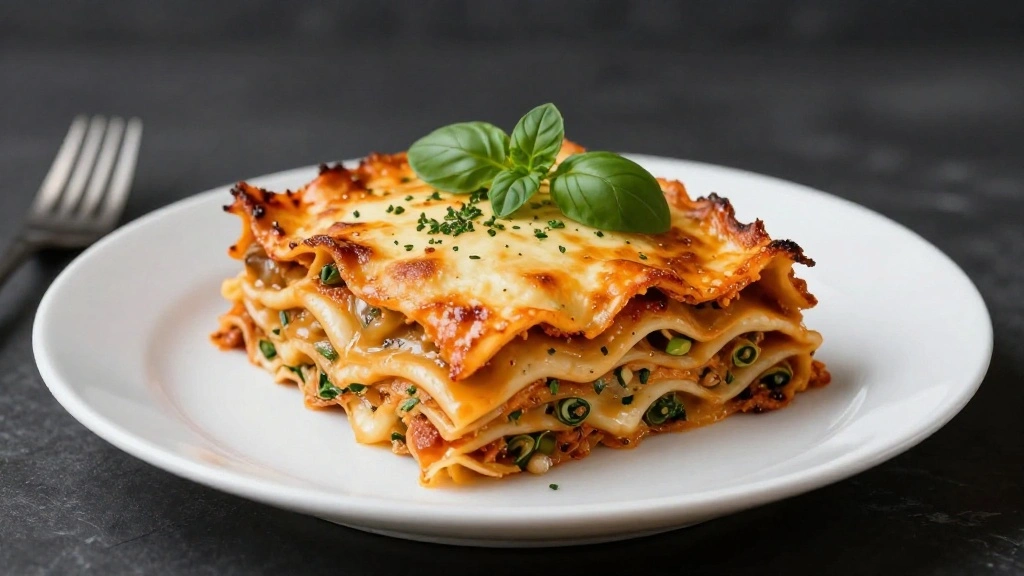
This Three-Cheese Lasagna is sure to become a beloved staple in your recipe collection.
With its rich layers of cheese and sauce, it offers a comforting and satisfying meal for any occasion.
Try this recipe and share the joy of this classic Italian dish with your friends and family.