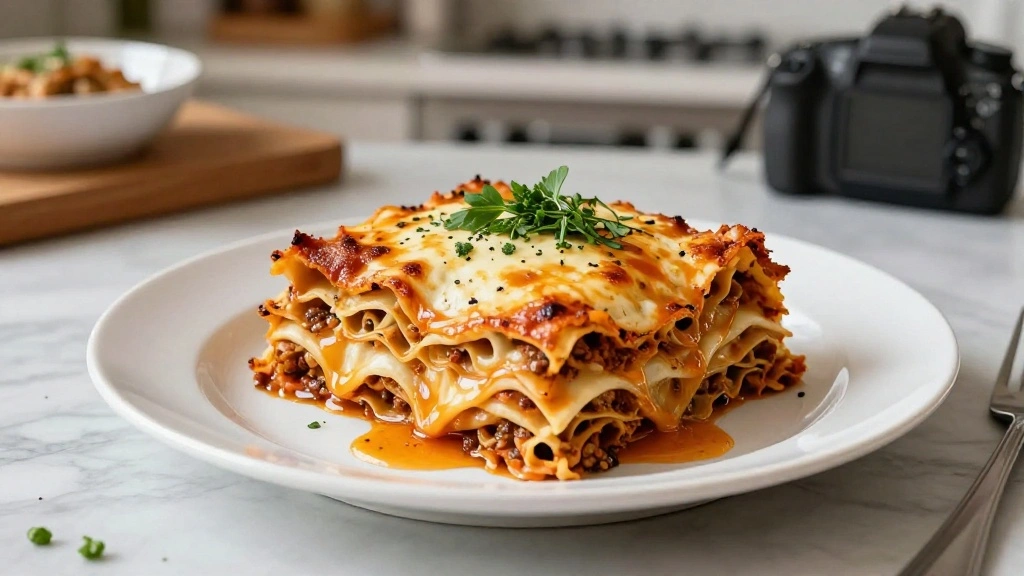
This classic Lasagna recipe brings together centuries of culinary tradition with modern techniques to create a dish that’s both comforting and elegant.
The harmonious balance of rich meats, creamy cheeses, and robust tomato sauce creates a memorable dining experience that will have everyone asking for your secret.
I discovered this recipe during my travels through Italy, where local chefs have perfected it through generations of careful refinement.
Whether you’re preparing a casual family dinner or hosting a special celebration, this Lasagna delivers impressive results with straightforward preparation.
It’s a dish that speaks of warmth, hospitality, and a love for good food, making it a staple in many households around the world.
The History and Cultural Significance
• Classic Lasagna traces its origins to ancient Rome, where it was originally created by layering pasta with rich sauces and cheese.
• The dish evolved over decades as tomatoes were introduced to Italy, eventually becoming the beloved version we know today.
• In Italian culture, this dish traditionally appears at family gatherings and Sunday dinners, symbolizing warmth and togetherness.
• While many variations exist across different regions, the authentic version maintains a perfect balance of meat, cheese, and sauce that sets it apart from imitations.




Recipe Overview
Nutritional Information (per serving)


Essential Equipment Guide
Baking Dish: A sturdy, high-quality baking dish is crucial for evenly cooking the lasagna and ensuring it retains its shape. Alternatives like a deep casserole dish can work, but look for one that is oven-safe and provides even heat distribution.
Nonstick Skillet: A large nonstick skillet helps in cooking the meat and sauce evenly without sticking. If unavailable, a well-seasoned cast-iron skillet can be used, but ensure it is large enough to handle all ingredients.
Sharp Knife: A sharp chef’s knife is essential for finely chopping vegetables and meat. Alternatives include a good quality serrated knife, but ensure it is sharp to avoid crushing delicate ingredients.


Ingredients
For the Base
|
| Amount | Ingredient | Notes |
|---|---|---|
| 9 sheets | lasagna noodles | cooked al dente, adds structure |
For the Meat Sauce
| Amount | Ingredient | Notes |
|---|---|---|
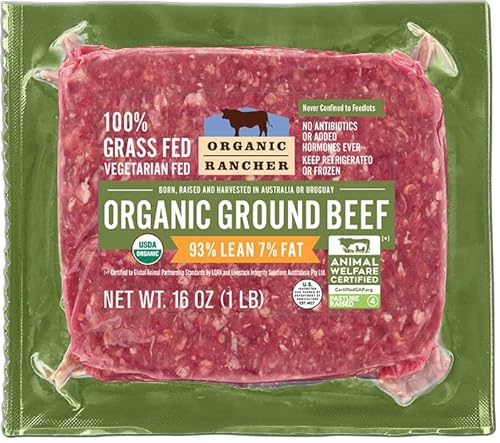
| 1 pound | ground beef | provides rich protein |
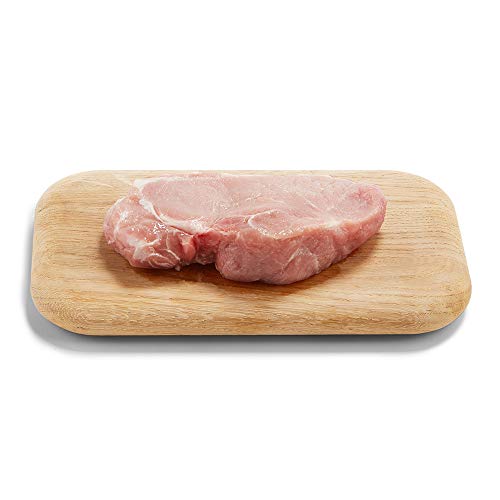
| 1 pound | ground pork | adds depth of flavor |
| 2 cloves | garlic | minced, aromatic |
| 1 large | onion | finely chopped |
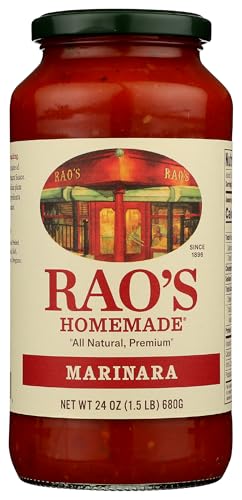
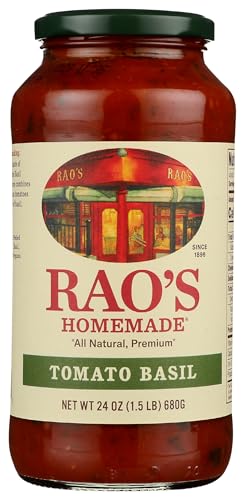
| 28 ounces | canned tomatoes | pureed, base for sauce |
| 2 tablespoons | tomato paste | enhances tomato flavor |
| 1 teaspoon | sugar | balances acidity |
Cheese Layer
| Amount | Ingredient | Notes |
|---|---|---|
| 15 ounces | ricotta cheese | creamy texture |
| 2 cups | mozzarella cheese | shredded, melty |
| 1 cup | Parmesan cheese | grated, adds sharpness |
Seasonings
| Amount | Ingredient | Notes |
|---|---|---|
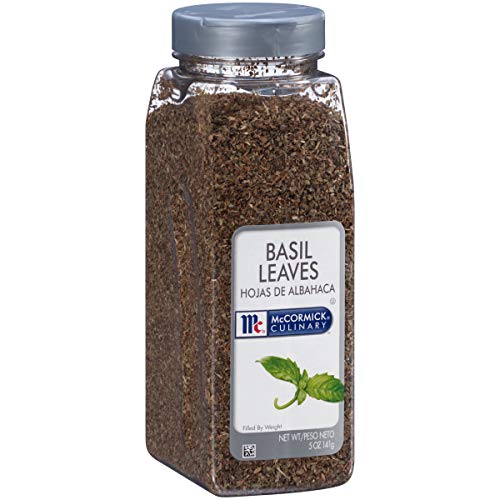
| 1 teaspoon | dried basil | aromatic |
| 1 teaspoon | dried oregano | adds earthiness |
| 1 teaspoon | salt | enhances overall flavor |
| 1 teaspoon | black pepper | adds mild heat |



Preparation Methods
Sautéing: This technique involves cooking ingredients in a small amount of oil over medium-high heat. It is crucial for developing flavors and properly cooking the meat and vegetables. Master it by ensuring ingredients are evenly cut and the pan is adequately heated before adding them.
Layering: Layering is essential in lasagna to create distinct layers of flavor and texture. This technique involves careful placement of noodles, sauce, and cheese to ensure even distribution. Practice makes perfect, so take your time to layer smoothly and consistently.
Baking: Baking allows the lasagna to cook evenly and develop a golden crust. It requires a preheated oven and monitoring to prevent overcooking. Use a timer and check for visual cues like bubbling edges and a golden top.


Step 1: Prepare Ingredients

Gather all ingredients and equipment.
Pre-cook lasagna noodles until al dente.
Finely chop onions and garlic.
Shred mozzarella and grate Parmesan cheese.


Step 2: Cook Meat Sauce

Heat a skillet over medium heat and add ground beef and pork.
Cook until browned, breaking it apart with a spatula.
Add chopped onions and garlic, sautéing until fragrant.
Stir in pureed tomatoes, tomato paste, sugar, basil, oregano, salt, and pepper.


Step 3: Simmer Sauce

Reduce heat to low and let the sauce simmer for 25 minutes.
Stir occasionally to prevent sticking and ensure even cooking.
The sauce should thicken slightly and develop a deep flavor.
Taste and adjust seasonings if necessary.
Step 4: Prepare Cheese Mixture

In a bowl, combine ricotta cheese with half of the grated Parmesan.
Mix until smooth and creamy.
Add a pinch of salt and pepper for seasoning.
Set aside for layering.


Step 5: Assemble Lasagna

Preheat oven to 375°F (190°C).
Spread a thin layer of meat sauce on the bottom of the baking dish.
Place a layer of noodles, followed by cheese mixture, then mozzarella.
Repeat layers until all ingredients are used, finishing with mozzarella and Parmesan on top.
Step 6: Bake Lasagna

Cover the baking dish with foil to prevent excessive browning.
Bake in the preheated oven for 25 minutes.
Remove foil and bake for an additional 15 minutes until golden brown.
Check for bubbling edges and a crisp top as indicators of doneness.
Step 7: Rest Lasagna
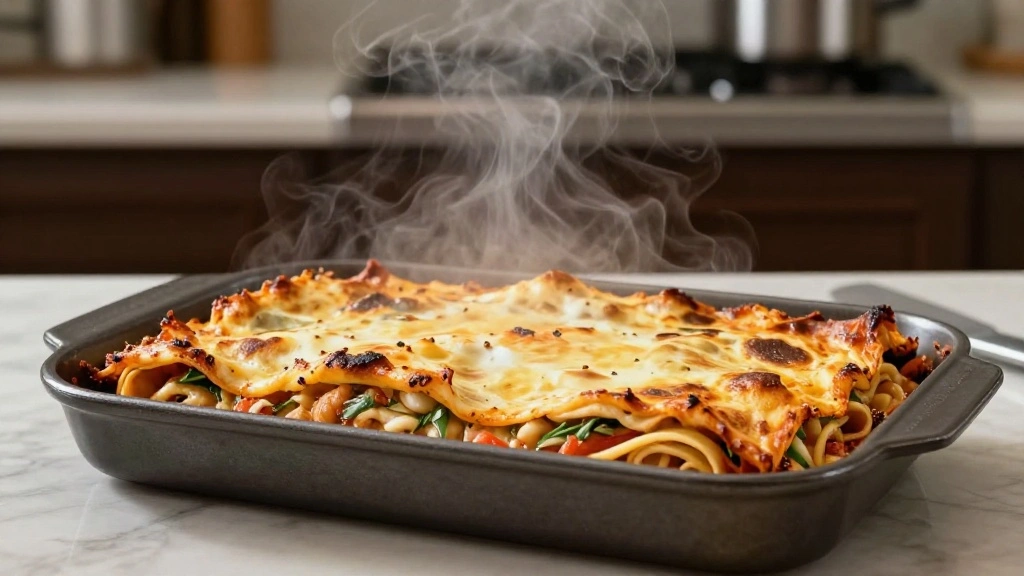
Remove lasagna from oven and let it rest for 10 minutes.
This allows the layers to set and makes serving easier.
Resting also enhances the overall flavor.
Use a spatula to test firmness and cohesion of layers.
Step 8: Serve and Enjoy
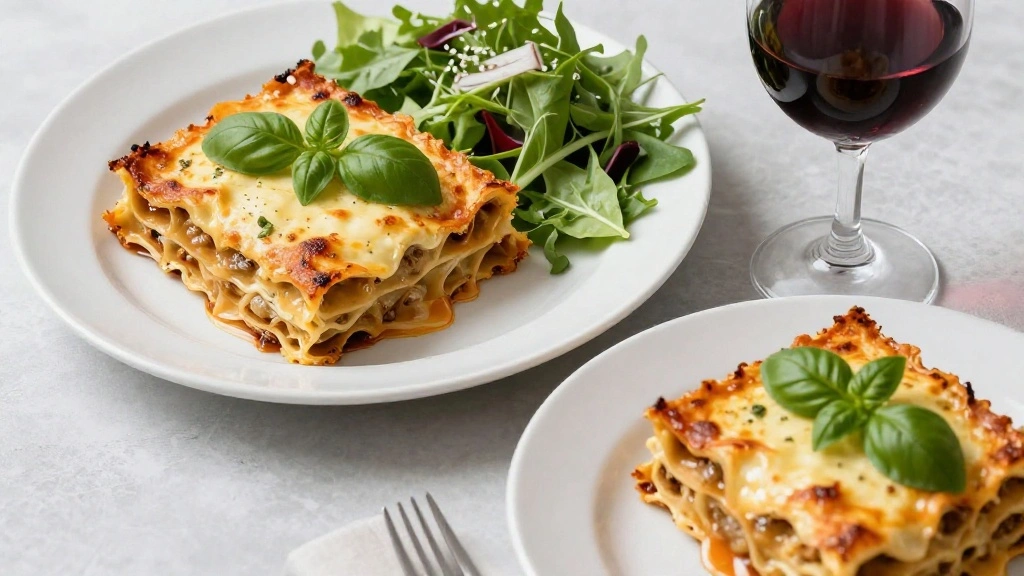
Cut lasagna into portions using a sharp knife.
Serve hot, garnished with fresh basil leaves if desired.
Pair with a side salad or garlic bread for a complete meal.
Enjoy the rich flavors and textures of homemade lasagna.




Critical Timing and Temperature Guide
Meat Cooking: Sauté meat and onions until browned and fragrant, about 10 minutes. Avoid undercooking, which can lead to bland flavors.
Sauce Simmering: Simmer sauce for at least 25 minutes, allowing it to thicken. Look for reduced liquid and rich color as indicators.
Final Baking: Bake lasagna uncovered for the final 15 minutes at 375°F, watching for bubbling edges and a golden top. Avoid burning by checking frequently.
Pro Tips for Classic Lasagna
• Ingredient Selection: Use high-quality ricotta and mozzarella cheese for the best flavor and texture. Fresh, vine-ripened tomatoes can elevate the sauce.
• Preparation Secret: Let the cooked noodles cool slightly before handling to prevent tearing during assembly.
• Temperature Management: Ensure your oven is preheated to the exact temperature to avoid uneven cooking.
• Texture Enhancement: Use a mix of ground beef and pork for a richer, more complex meat sauce.
• Flavor Layering: Season each layer of the lasagna lightly as you assemble to ensure even distribution of flavors.
• Make-Ahead Strategies: Prepare the meat sauce a day in advance and refrigerate. Assemble and bake the next day for enhanced flavor development.
• Restaurant-Quality Finishing Touches: Sprinkle extra Parmesan on top of the lasagna before serving for an added sharp, nutty flavor.
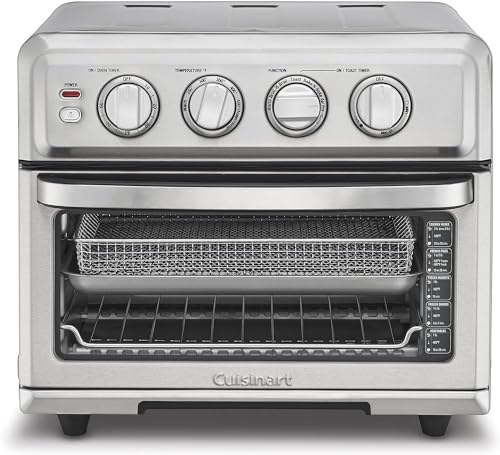
• Equipment Optimization: A convection oven can help achieve even baking and a perfectly crisp top layer.


Troubleshooting Common Issues
• Texture Too Dense: This can occur if noodles are overcooked. Ensure al dente cooking and proper layering.
• Flavors Unbalanced: If too acidic, balance with sugar or more cheese in the sauce.
• Runny Sauce: Simmer sauce longer to reduce liquid content. Ensure proper thickening before assembling.
• Cheese Overbrowned: Cover with foil during initial baking phase to avoid excessive browning.
• Noodles Overlapping: Ensure even layering and use correct-sized noodles to fit the baking dish.
• Underseasoned: Taste each component before assembly and adjust seasoning as needed to prevent blandness.
Variations and Regional Differences
• Neapolitan Style: Uses fresh basil and buffalo mozzarella, providing a unique Southern Italian flavor profile.
• Bolognese Variation: Incorporates a slow-cooked Bolognese sauce with a touch of milk for creaminess.
• Vegetarian Lasagna: Replaces meat with layers of grilled vegetables, like zucchini and eggplant, for a lighter option.
• White Lasagna: Uses a béchamel sauce instead of tomato-based sauce, offering a creamy alternative.
Food Science Behind the Recipe
• Maillard Reaction: This browning process occurs when proteins and sugars in the cheese are exposed to heat, creating the savory, complex flavors.
• Starch Gelatinization: As noodles bake, starches absorb liquid and swell, creating a stable structure that holds the layers together.
• Emulsification: Combining fat from cheese with the acidic tomato sauce creates a cohesive, smooth texture in the finished dish.




Frequently Asked Questions
What's the most common mistake people make when preparing Lasagna? Overcooking the noodles is a frequent error, leading to mushy texture. Aim for al dente perfection.
Can I freeze leftover Lasagna? Yes, it freezes well. Wrap tightly in foil or plastic wrap, then store in an airtight container for up to 3 months.
Why is my Lasagna falling apart? Insufficient resting time can cause this. Allow it to rest for at least 10 minutes post-baking.
How can I make a gluten-free version? Substitute traditional noodles with gluten-free pasta options available in stores.
What's the best way to reheat Lasagna? Cover with foil and heat in a 350°F oven until warmed through. Avoid microwaving to prevent uneven heating.
Can I use fresh tomatoes instead of canned? Absolutely, but you'll need to peel and cook them down more to achieve the right consistency.
How do I prevent the top from burning? Cover with foil for most of the baking time, removing it only for the final 15 minutes to brown.
Serving and Presentation Guide
• Traditional Presentation: Serve as a warm, hearty slice on a flat white plate, garnished with a sprig of fresh basil.
• Family-Style: Present in the baking dish at the table, encouraging guests to serve themselves for a casual, communal feel.
• Elegant Plating: Use a square mold to create a precise portion, topped with microgreens or edible flowers for a refined look.
• Rustic Approach: Pair with a slice of crusty bread and a simple side salad, served on rustic stoneware for a homely feel.
Conclusion

With this traditional lasagna recipe, you can bring the taste of Italy right to your kitchen table.
The layers of flavor and texture are sure to impress and satisfy your family and friends.
Don't wait for a special occasion to enjoy this culinary classic—try it today and experience the joy of homemade lasagna.
Happy cooking, and buon appetito!