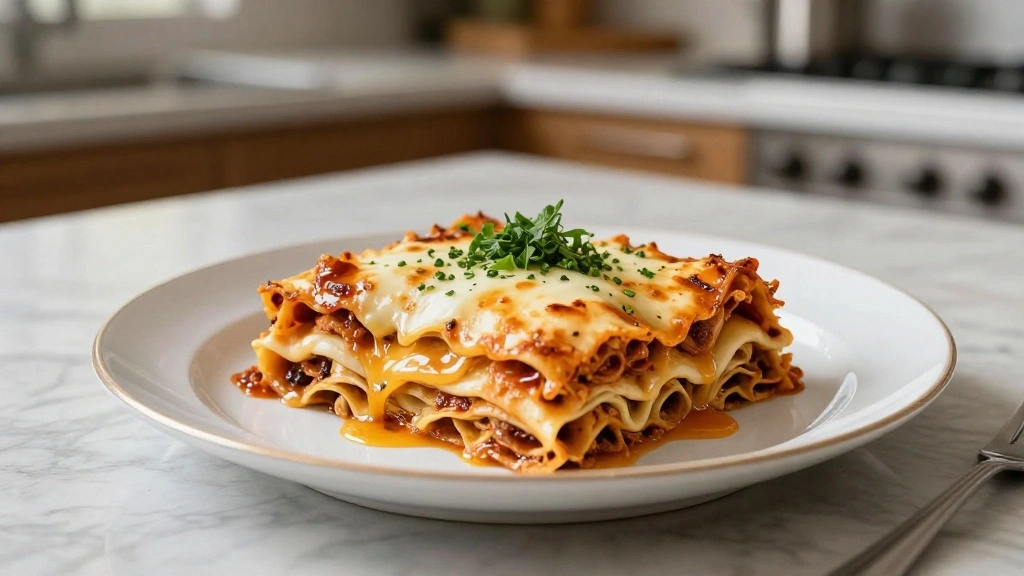
Lasagna is a beloved classic that brings together the comforting flavors of Italy into one hearty dish.
Its layers of pasta, rich meat sauce, creamy cheese, and aromatic herbs create a symphony of flavors that is both satisfying and indulgent.
I first discovered this recipe during a family gathering, where its warmth and richness brought everyone together around the table.
Perfect for both casual dinners and special occasions, this quick and easy lasagna recipe is designed with beginners in mind.
With straightforward steps and simple ingredients, you’ll be able to create a delicious homemade lasagna with minimal effort.
Get ready to impress your family and friends with a dish that tastes like it took hours to prepare.
The History and Cultural Significance
• Lasagna traces its origins to Ancient Greece and Rome, where it was originally created as a simple dish of pasta and sauce.
• The dish evolved over decades as new ingredients such as tomatoes and cheese were introduced, eventually becoming the beloved version we know today.
• In Italy, this dish traditionally appears at family gatherings and celebrations, symbolizing unity and warmth.
• While many variations exist across different regions, the authentic version maintains its iconic layered structure and rich flavors that set it apart from imitations.




Recipe Overview
Nutritional Information (per serving)


Essential Equipment Guide
Baking Dish: A sturdy baking dish is crucial for even cooking and maintaining the structure of the lasagna layers. Glass or ceramic dishes are ideal for their heat retention properties.
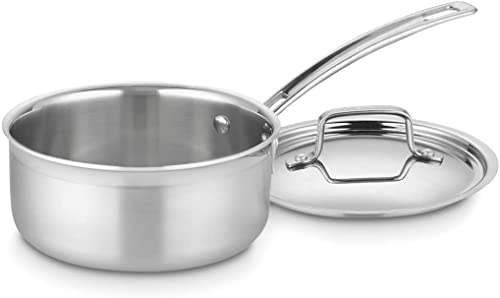
Large Saucepan: Necessary for preparing the meat sauce, a large saucepan allows for thorough cooking and flavor development. A heavy-bottomed pan ensures even heat distribution.
Cheese Grater: Freshly grated cheese melts better and adds superior flavor compared to pre-shredded options. Look for a grater with multiple size options for versatility.




Ingredients
For the Base
|
| Amount | Ingredient | Notes |
|---|---|---|
| 9 pieces | lasagna noodles | cooked according to package instructions |
For the Sauce
| Amount | Ingredient | Notes |
|---|---|---|
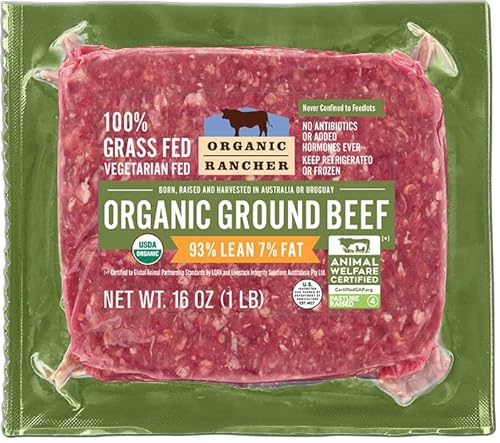
| 1 pound | ground beef | adds richness |
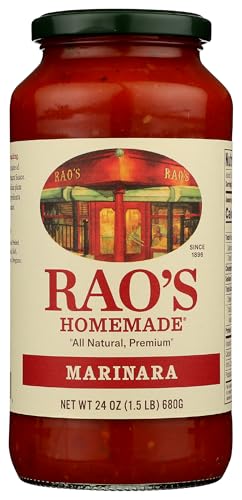
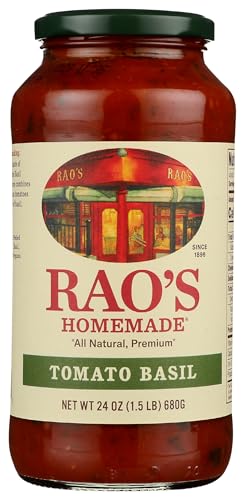
| 2 cups | tomato sauce | provides flavor base |
| 1 cup | diced tomatoes | adds texture |
| 1 teaspoon | salt | enhances flavor |
| 1 teaspoon | black pepper | adds depth |
Cheese Layer
| Amount | Ingredient | Notes |
|---|---|---|
| 2 cups | ricotta cheese | creamy texture |
| 1 cup | shredded mozzarella cheese | melts beautifully |
| 1/2 cup | grated Parmesan cheese | adds sharpness |
Seasonings
| Amount | Ingredient | Notes |
|---|---|---|
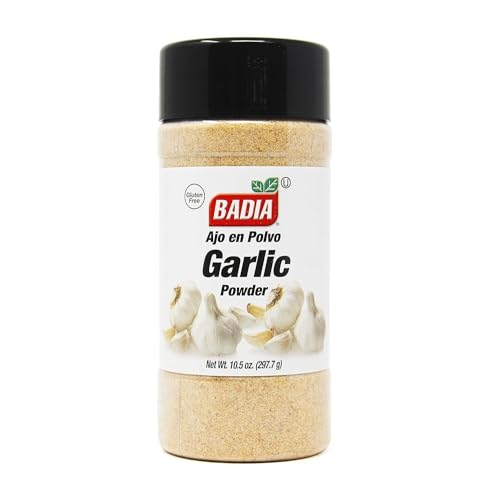
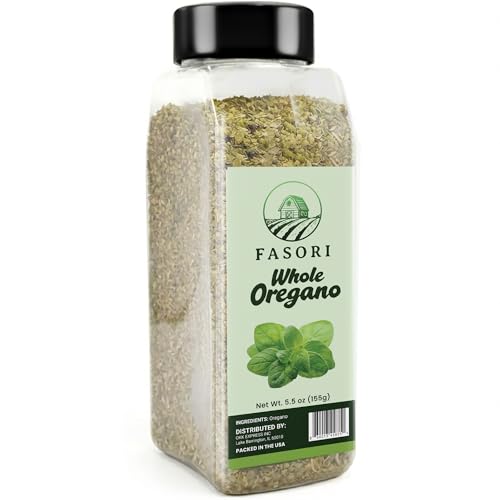
| 1 teaspoon | dried oregano | traditional Italian flavor |
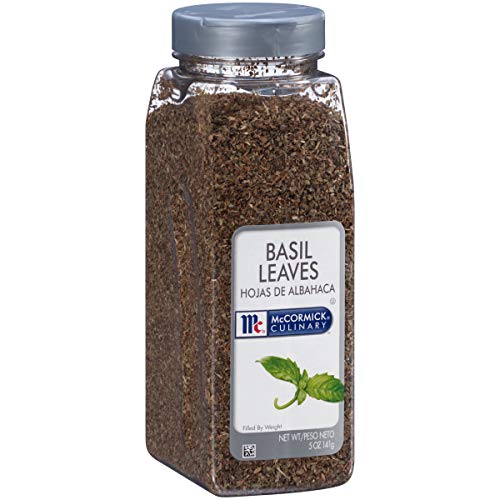
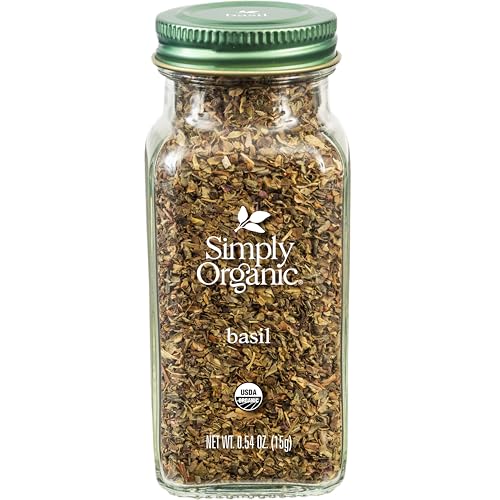
| 1 teaspoon | dried basil | adds freshness |



Preparation Methods
Sautéing the Meat: Sautéing ensures the ground beef is browned evenly, which enhances its flavor. Use medium-high heat and break the meat into small pieces with a spatula for even cooking.
Layering Technique: Proper layering is key to a perfect lasagna. Begin with sauce, followed by noodles, cheese, and repeat. This method ensures each layer melds together during baking.
Resting the Lasagna: Allowing the lasagna to rest after baking helps it set and makes slicing easier. Let it sit for at least 10 minutes before serving.


Step 1: Prepare Ingredients

Gather all ingredients and equipment.
Cook lasagna noodles according to package instructions.
Drain noodles and set aside.
Preheat oven to 375°F (190°C).


Step 2: Cook the Meat

Place a large saucepan over medium-high heat.
Add ground beef and sauté until browned.
Break the meat into small pieces with a spatula.
Drain excess fat from the pan.
Step 3: Prepare the Sauce

Add tomato sauce and diced tomatoes to the browned meat.
Stir in salt, black pepper, oregano, and basil.
Simmer the sauce on low heat for 10 minutes.
Stir occasionally to prevent sticking.


Step 4: Assemble the Lasagna
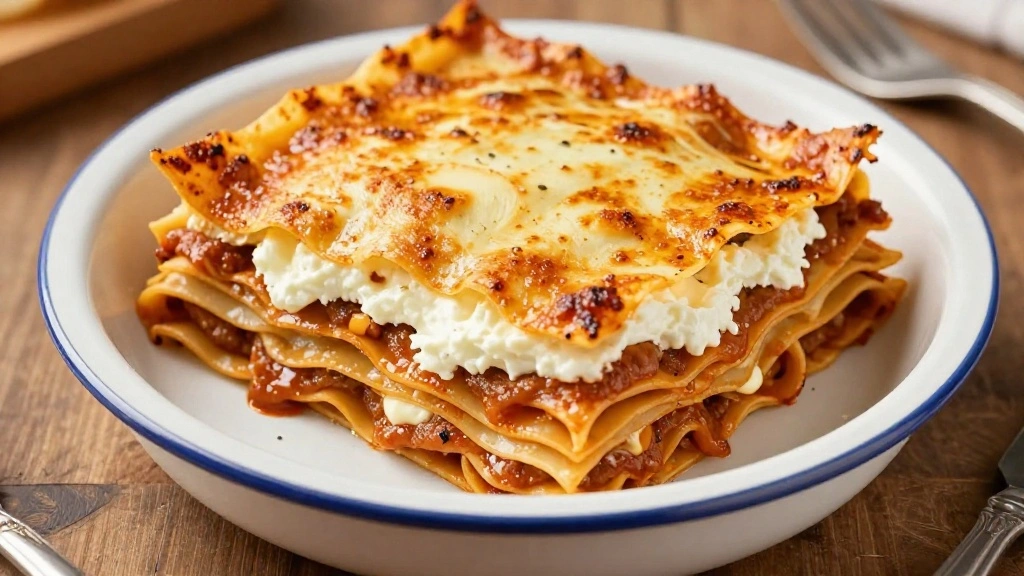
Spread a thin layer of meat sauce on the bottom of a baking dish.
Place three lasagna noodles over the sauce.
Cover noodles with a layer of ricotta cheese.
Repeat layers until all ingredients are used, ending with sauce and cheese on top.
Step 5: Add Cheese Topping

Sprinkle shredded mozzarella and grated Parmesan over the top layer.
Ensure cheese is evenly distributed for uniform melting.
Gently press down on the layers to compact the lasagna.
Cover with foil to prevent over-browning.
Step 6: Bake the Lasagna

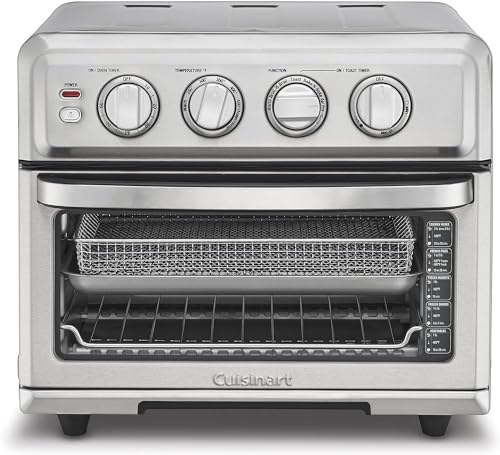
Place the covered baking dish in the preheated oven.
Bake for 25 minutes with the foil on.
Remove foil and bake for an additional 15 minutes.
Look for bubbling edges and golden brown top as indicators of doneness.


Step 7: Let it Rest
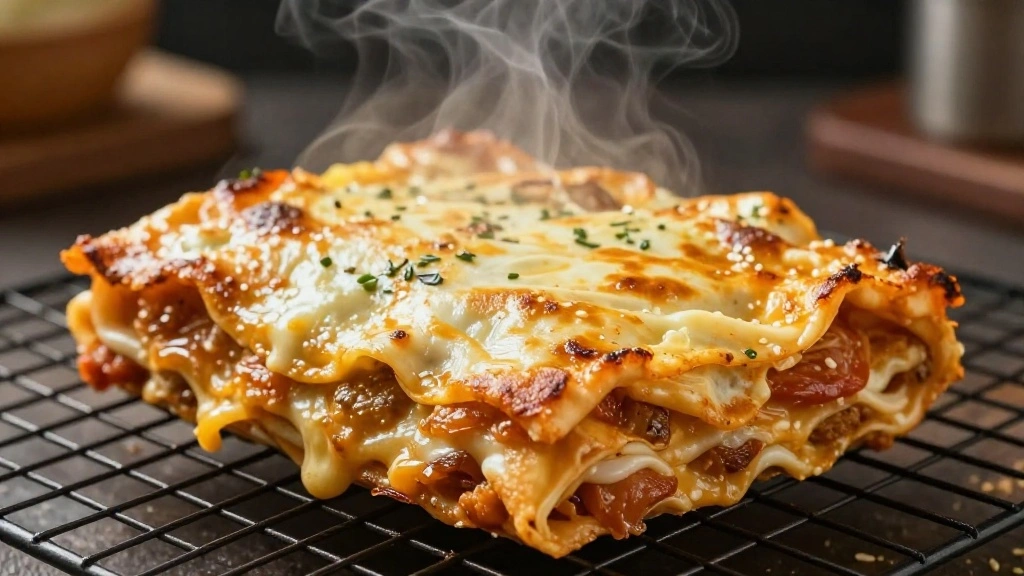
Remove lasagna from the oven once fully cooked.
Place on a wire rack to cool slightly.
Let it rest for 10 minutes to set the layers.
This resting time makes slicing easier.
Step 8: Serve and Enjoy
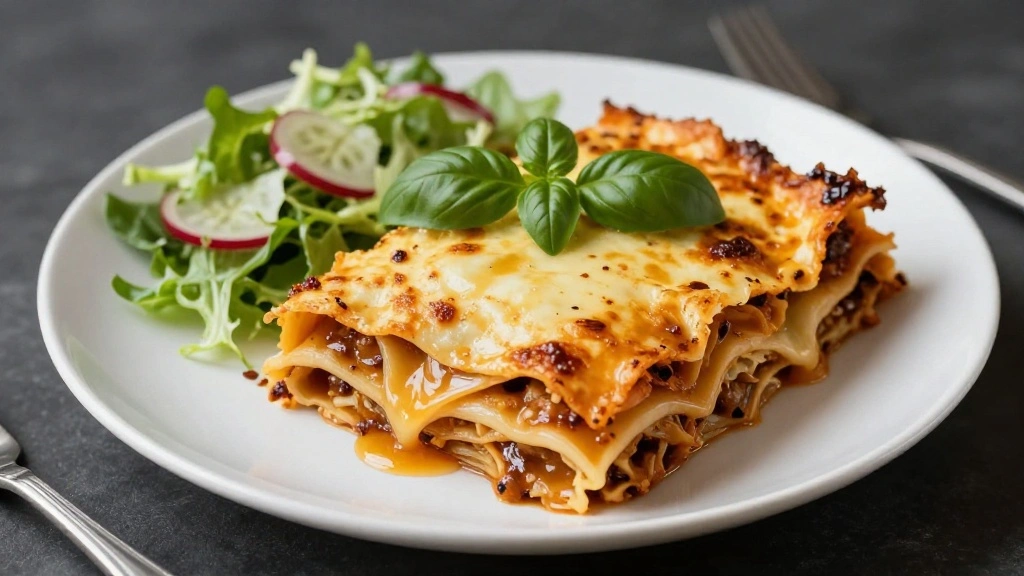
Slice the lasagna into equal portions.
Use a sharp knife and spatula for clean cuts.
Serve on plates with a side salad or garlic bread.
Garnish with fresh basil leaves if desired.


Critical Timing and Temperature Guide
Baking: Bake at 375°F (190°C) for a total of 40 minutes, checking for bubbling edges and golden brown top. Avoid over-baking, which can dry out the lasagna.
Simmering Sauce: Simmer sauce for 10 minutes on low heat to develop flavors; avoid high heat that can cause burning.
Resting: Allow lasagna to rest for 10 minutes post-baking to help set the layers and make slicing cleaner.
Pro Tips for Quick and Easy Lasagna
• Ingredient Selection: Choose high-quality ricotta and mozzarella cheese for the best texture and flavor, as they are key to the dish's richness.
• Preparation Secret: Layering the ingredients in the correct order ensures each bite has a perfect blend of sauce, cheese, and pasta.
• Temperature Management: Allow all ingredients to come to room temperature before assembling for even cooking.
• Texture Enhancement: Use a combination of shredded and grated cheeses to achieve a nuanced texture in the cheese layers.
• Flavor Layering: Incorporate fresh herbs like basil and oregano between layers for bursts of freshness.
• Make-Ahead Strategies: Assemble the lasagna the night before, cover, and refrigerate. Allow to come to room temperature before baking.
• Restaurant-Quality Finishing Touches: Broil the top layer for 2 minutes for a crispy cheese crust.
• Equipment Optimization: Use a sharp knife for slicing to maintain clean layers and enhance presentation.



Troubleshooting Common Issues
• Texture Too Dense: Caused by overcooked noodles; ensure noodles are al dente before assembling. If already dense, serve with extra sauce on the side to balance texture.
• Flavors Unbalanced: Results from insufficient seasoning; taste sauce before assembly and adjust salt and herbs to preference.
• Cheese Not Melting: Occurs with pre-shredded cheese; use freshly grated cheese for better melting and flavor.
• Watery Lasagna: Often due to excess moisture in the sauce or ricotta; drain canned tomatoes and use a thicker sauce.
• Burnt Top: If the cheese browns too quickly, cover the lasagna with foil and reduce oven temperature.
Variations and Regional Differences
• Neapolitan Style: Includes boiled eggs and sliced sausages for a richer, more diverse flavor profile, making it a staple in Southern Italy.
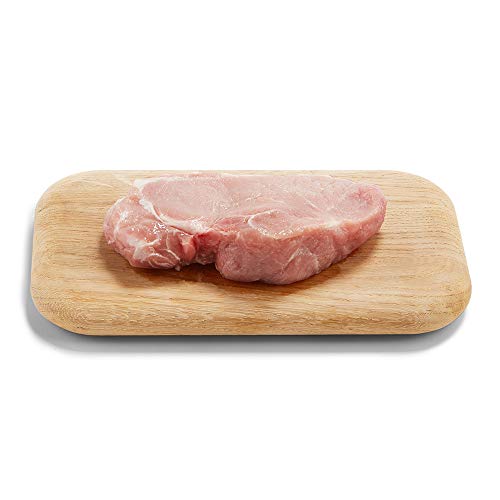
• Bolognese Lasagna: Features a meat sauce made with a mix of beef and pork, layered with béchamel sauce instead of ricotta.
• Vegetarian Lasagna: Replaces meat with layers of grilled vegetables like zucchini, eggplant, and mushrooms, offering a lighter alternative.
• Vegan Lasagna: Uses dairy-free cheese and lentils or tofu for the protein component, catering to plant-based diets.


Food Science Behind the Recipe
• Maillard Reaction: This chemical reaction occurs when proteins and sugars in the cheese and meat sauce brown during baking, enhancing flavor and creating a savory crust.
• Pasta Starch Gelatinization: Starch molecules in the pasta absorb moisture and swell during cooking, helping the layers bind together.
• Emulsion Stability: The combination of tomato sauce and fat in cheese creates a stable emulsion, ensuring a creamy texture in the sauce layers.




Frequently Asked Questions
What's the most common mistake people make when preparing lasagna? Overcooking the noodles is a frequent issue, leading to a mushy texture. Always cook them al dente.
Can I make lasagna ahead of time? Yes, assemble it a day in advance and refrigerate. Bring to room temperature before baking for best results.
How do I reheat leftover lasagna? Reheat in the oven at 350°F (175°C) for about 20 minutes, covered with foil to prevent drying.
Can lasagna be frozen? Absolutely, either before or after baking. Wrap tightly and freeze for up to 3 months.
What is the best way to slice lasagna? Use a sharp knife and allow the lasagna to rest after baking for cleaner slices.
How can I make the lasagna more flavorful? Add extra herbs and spices to the sauce and use fresh, high-quality ingredients.
Is it necessary to cover lasagna with foil during baking? Covering keeps the top from burning and helps the lasagna cook evenly. Remove foil in the last 15 minutes for browning.
Serving and Presentation Guide
• Traditional Presentation: Serve in the baking dish with a side of garlic bread and a fresh green salad.
• Individual Portions: Slice into neat squares and plate each serving individually with a sprinkle of fresh Parmesan and basil garnish.
• Family Style: Present the entire dish at the table for guests to serve themselves, fostering a communal dining experience.
• Gourmet Touch: Add a drizzle of balsamic reduction or a touch of truffle oil for an upscale presentation.



Conclusion
This quick and easy lasagna recipe is a wonderful introduction to the world of Italian cooking.
Its rich flavors and comforting layers make it a dish that everyone will love.
With simple ingredients and straightforward steps, you'll have a delicious homemade meal ready in no time.
Try this recipe today and enjoy the satisfaction of creating a classic dish from scratch.