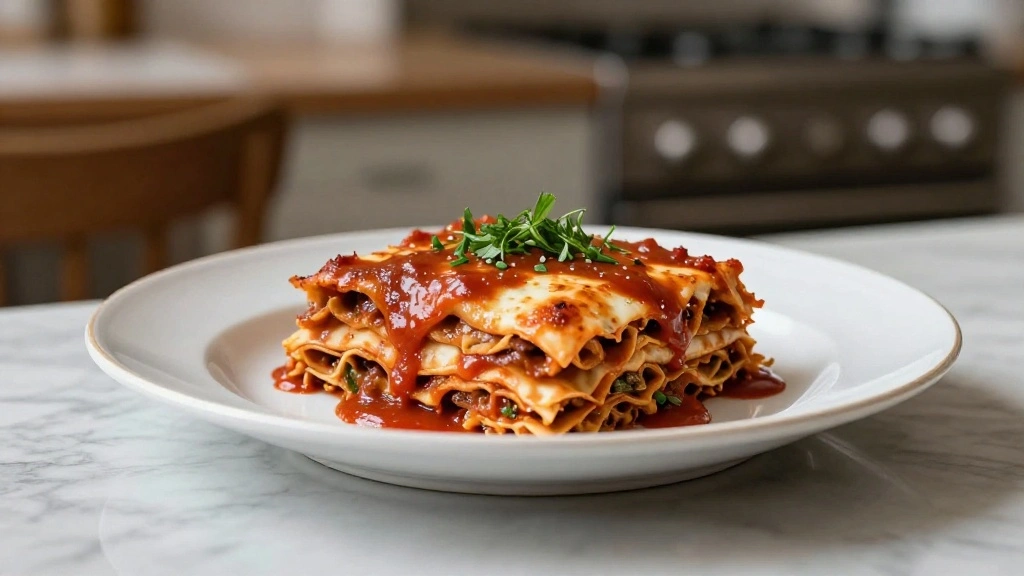
Lasagna is much more than just layers of pasta and cheese; it’s a symphony of flavors and textures blending into a comforting masterpiece.
The secret to an unforgettable lasagna lies in the sauce, a rich and savory concoction that ties everything together.
I first encountered this sauce recipe in a bustling Italian kitchen, where the aroma of garlic and herbs filled the air.
Whether you’re aiming to impress at a dinner party or simply crave a hearty family meal, this homemade lasagna sauce is your ticket to culinary success.
The History and Cultural Significance
• The Perfect Homemade Lasagna Sauce traces its origins to Italy during the Middle Ages, where it was originally created by Italian cooks using locally sourced ingredients.
• The dish evolved over decades as tomatoes became more widely available, eventually becoming the beloved version we know today.
• In Italian culture, this dish traditionally appears at family gatherings and festive occasions, symbolizing warmth and togetherness.
• While many variations exist across different regions, the authentic version maintains a robust tomato base that sets it apart from imitations.
Recipe Overview
Nutritional Information (per serving)


Essential Equipment Guide
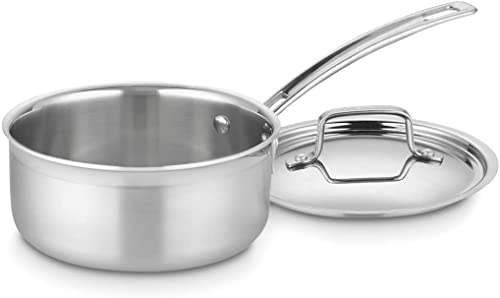
Large Saucepan: A large, heavy-bottomed saucepan is essential for developing deep flavors without burning. Alternatives like Dutch ovens work well too. Look for one with a tight-fitting lid to control evaporation.
Wooden Spoon: A wooden spoon is gentle on your saucepan and perfect for stirring thick sauces. Silicone spatulas can also work but avoid metal utensils that may scratch.
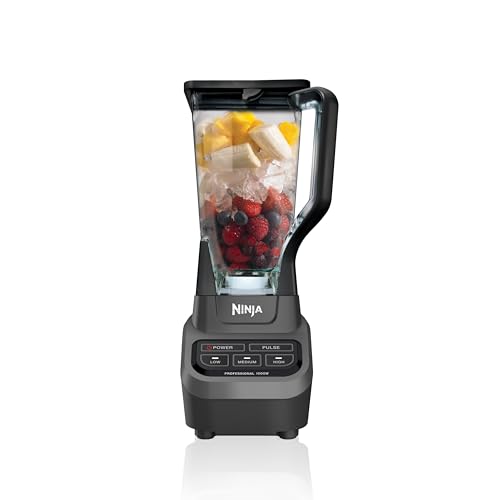
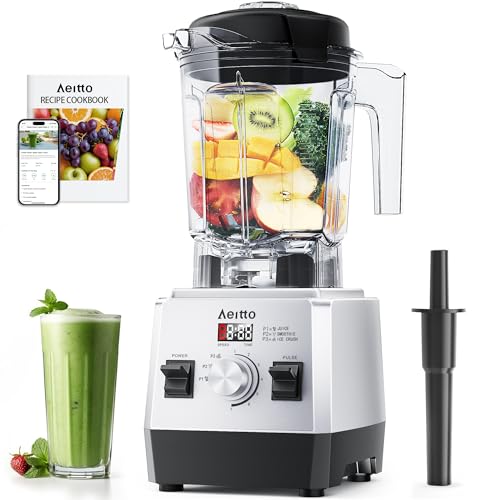
Immersion Blender: This tool helps achieve a smooth sauce texture without transferring it to a blender. If unavailable, a countertop blender can be used, but ensure the sauce cools slightly before blending.




Ingredients
For the Base
|
| Amount | Ingredient | Notes |
|---|---|---|
| 2 tablespoons | olive oil | adds richness |
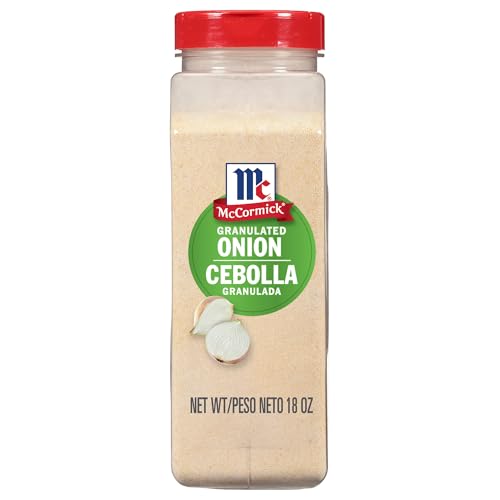
| 1 large | onion | finely chopped |
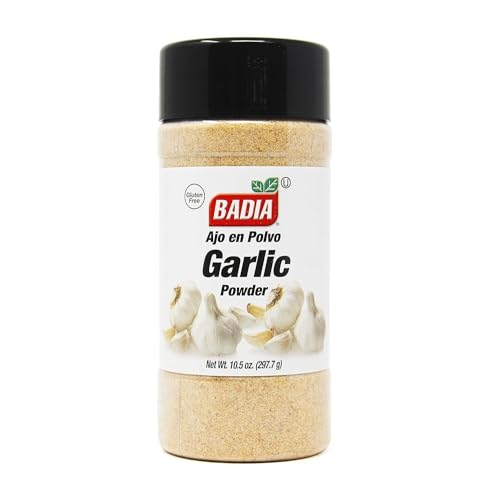
| 2 cloves | garlic | minced |
For the Sauce
| Amount | Ingredient | Notes |
|---|---|---|
| 800 grams | canned tomatoes | crushed for consistency |
| 2 tablespoons | tomato paste | enhances depth |
Seasonings
| Amount | Ingredient | Notes |
|---|---|---|
| 1 teaspoon | dried oregano | adds earthiness |
| 1 teaspoon | dried basil | adds aroma |
| 1 pinch | red pepper flakes | for subtle heat |
Vegetables
| Amount | Ingredient | Notes |
|---|---|---|
| 1 medium | carrot | grated, adds sweetness |
| 1 stalk | celery | diced |



Preparation Methods
Sautéing: This technique involves cooking vegetables in a small amount of oil over medium heat to release their flavors. It's crucial for building the base of your sauce. Ensure the heat is not too high to prevent burning.
Simmering: Simmering combines gentle heat with time, allowing flavors to meld thoroughly. Keep the sauce just below boiling, with occasional bubbles rising. Stir occasionally to avoid sticking.
Deglazing: This involves adding liquid to a hot pan to dissolve the flavorful bits stuck to the bottom. It enriches the sauce with a complex taste. Use wine or broth for deglazing and scrape the pan with a wooden spoon.
Step 1: Prepare Ingredients

Gather all ingredients and measure them accurately.
Chop the onion and mince the garlic.
Grate the carrot and dice the celery.
This ensures a smooth cooking process.


Step 2: Heat the Olive Oil

Place a large saucepan over medium heat.
Add the olive oil and allow it to heat until shimmering.
This indicates the oil is hot enough to start cooking.
Be careful not to overheat to avoid smoking.
Step 3: Sauté the Vegetables

Add the chopped onion to the saucepan.
Sauté until the onion becomes translucent, about 5 minutes.
Add the minced garlic and cook for an additional minute.
This step releases essential flavors.




Step 4: Incorporate the Carrot and Celery

Add the grated carrot and diced celery to the saucepan.
Stir to combine with the other vegetables.
Cook for 3-4 minutes until they begin to soften.
This adds natural sweetness and depth to the sauce.
Step 5: Add Tomato Elements
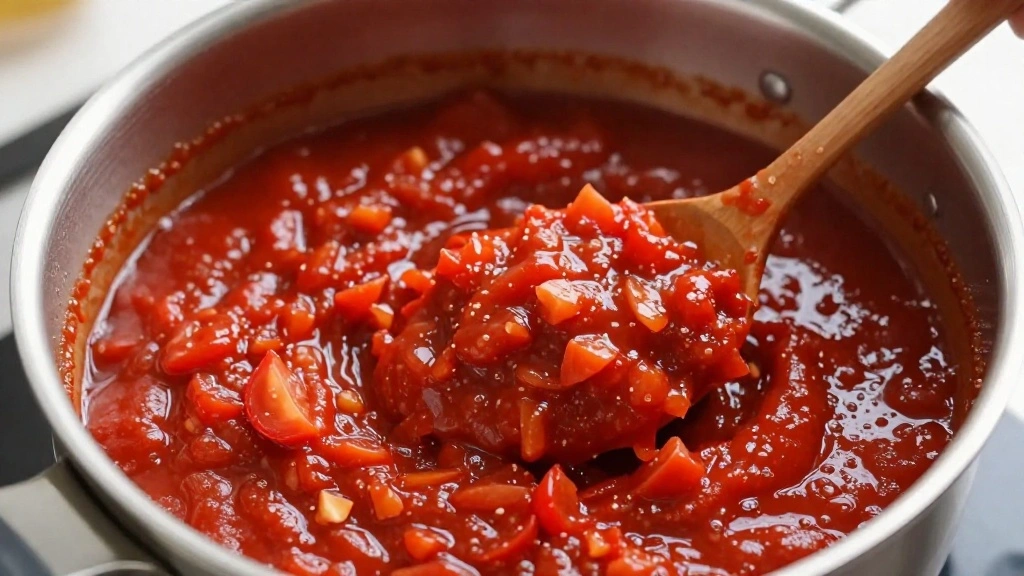
Pour in the crushed tomatoes and tomato paste.
Stir well to combine all ingredients.
Ensure the paste dissolves fully into the sauce.
This forms the base of your lasagna sauce.
Step 6: Season the Sauce

Add dried oregano, basil, and red pepper flakes.
Stir to evenly distribute the seasonings.
Taste and adjust seasoning if necessary.
These herbs provide the signature Italian flavor.



Step 7: Simmer the Sauce

Lower the heat to a gentle simmer.
Cover the saucepan with a lid slightly ajar.
Let the sauce simmer for at least 90 minutes, stirring occasionally.
This allows flavors to meld and the sauce to thicken.
Step 8: Blend the Sauce

Remove the saucepan from heat.
Use an immersion blender to blend the sauce until smooth.
If necessary, cool the sauce slightly before blending.
This step ensures a creamy consistency.


Step 9: Taste and Adjust

Taste the sauce for seasoning and consistency.
Adjust salt and pepper to taste.
If the sauce is too thick, add a splash of water or broth.
This final adjustment perfects the sauce.


Step 10: Store or Use

Allow the sauce to cool to room temperature.
Transfer to airtight containers if not using immediately.
Refrigerate for up to 3 days or freeze for longer storage.
Proper storage retains flavor and freshness.
Critical Timing and Temperature Guide
Sautéing Vegetables: Cook over medium heat for 5-7 minutes, until softened. Avoid high heat to prevent burning.
Simmering Sauce: Maintain a low simmer for 90 minutes, with occasional stirring to avoid sticking. A gentle bubble is ideal.
Blending Sauce: Blend when the sauce is still warm but not boiling to avoid splashes. Proper blending ensures a smooth texture.
Pro Tips for The Perfect Homemade
• Ingredient Selection: Choose ripe, high-quality canned tomatoes for the best flavor. Avoid those with added sugars or preservatives.
• Preparation Secret: Grate the carrot finely; it melts into the sauce, adding sweetness without being detectable.
• Temperature Management: Keep the simmer low to deepen flavors without evaporating too quickly.
• Texture Enhancement: Use an immersion blender for a velvety texture, crucial for smooth layering with pasta.
• Flavor Layering: Add herbs at different stages to build complexity; early for depth, late for freshness.
• Make-Ahead Strategies: Prepare the sauce a day ahead; flavors improve with time. Store in the fridge and gently reheat.
• Restaurant-Quality Finishing Touches: Stir in a small knob of butter at the end for a glossy finish.
• Equipment Optimization: Use a heavy-bottomed pan to distribute heat evenly, preventing hotspots.


Troubleshooting Common Issues
• Texture Too Thin: Caused by too much liquid. Simmer uncovered to reduce. If still thin, mix a tablespoon of cornstarch with cold water and stir it in.
• Flavors Unbalanced: Often due to incorrect seasoning. Taste and adjust salt, or add a pinch of sugar to balance acidity.
• Sauce Too Bitter: Results from burned garlic or overcooked tomato paste. Start fresh and sauté garlic until just golden.
• Overpowering Herb Taste: Add a splash of cream or milk to mellow intense herb flavors.
• Sauce Not Smooth: Improper blending. Blend longer, or strain to remove remaining chunks.
• Sauce Too Sweet: Add a splash of vinegar or lemon juice to counterbalance excess sweetness.
Variations and Regional Differences
• Neapolitan Style: Uses fresh basil and San Marzano tomatoes for a lighter, fresher flavor. Often includes a hint of nutmeg.
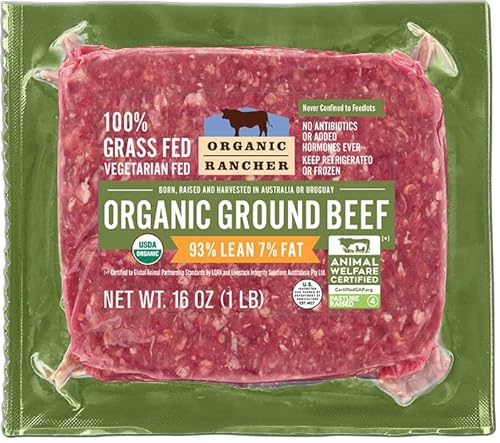
• Bolognese Version: Incorporates a meat base of beef and pork, cooked slowly, with milk added for creaminess.
• Sicilian Twist: Features eggplant slices layered within the sauce, providing unique texture and flavor.
• Vegan Adaptation: Omits dairy and meat, using nutritional yeast for a cheesy flavor and lentils for texture.



Food Science Behind the Recipe
• Maillard Reaction: Sautéing onions causes browning, enriching flavor through complex chemical reactions.
• Acid-Base Balance: Tomatoes are acidic, so balancing with a pinch of sugar or dairy neutralizes excessive acidity.
• Emulsification: Blending incorporates air, creating a stable emulsion for a creamy, homogeneous sauce.
Frequently Asked Questions
What's the most common mistake people make when preparing lasagna sauce? Overcooking the garlic, leading to a bitter taste.
Can I use fresh tomatoes instead of canned? Yes, but peel and seed them first for a smoother sauce.
How do I thicken my sauce without changing the flavor? Simmer uncovered to reduce, or stir in a cornstarch slurry.
Is it necessary to blend the sauce? Blending achieves a smooth texture, crucial for even pasta layering.
Can I freeze the sauce for later use? Absolutely, it freezes well for up to three months.
How can I make the sauce spicier? Add more red pepper flakes or a diced chili pepper.
What's the best way to reheat the sauce? Gently heat on the stovetop, adding a splash of water if too thick.
Serving and Presentation Guide
• Traditional Presentation: Serve layered in a deep dish with visible layers of sauce, pasta, and cheese.
• Rustic Style: Spoon over freshly cooked pasta in a casual, homely style.
• Gourmet Plating: Use a ring mold for neat portions, topped with a fresh basil leaf and a drizzle of olive oil.
• Family-Style: Present in a large serving dish, allowing guests to serve themselves.




Conclusion
Creating the perfect homemade lasagna sauce is a rewarding endeavor that brings authentic Italian flavors to your table.
With careful preparation and attention to detail, you can craft a sauce that elevates any lasagna dish.
Try this recipe and experience the satisfaction of a homemade masterpiece that rivals any restaurant offering.