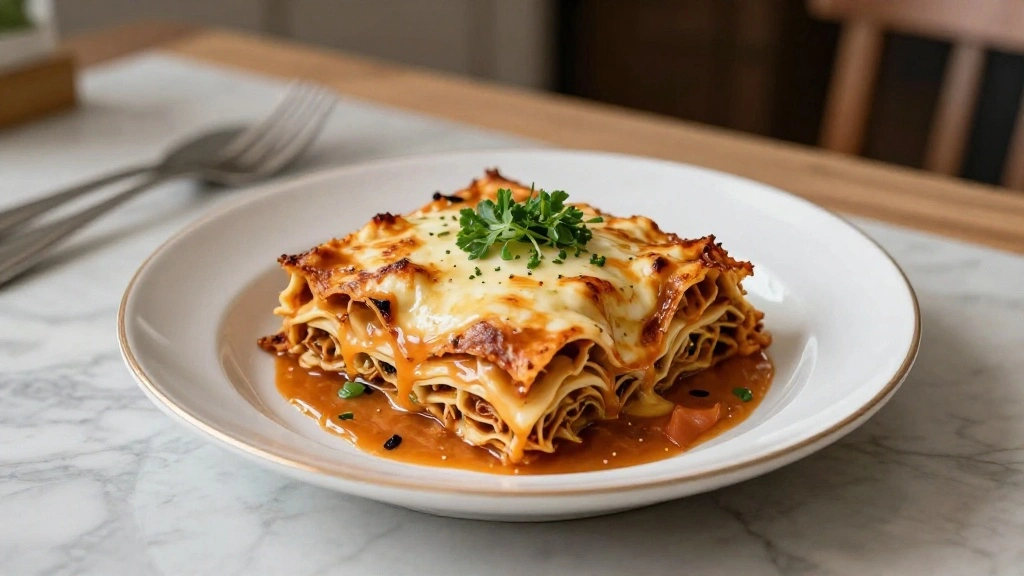
Lasagna Soup is a delightful twist on the beloved Italian classic that combines the hearty layers of lasagna with the warmth and comfort of soup.
Imagine all the rich flavors of your favorite lasagna in a bowl, where each spoonful is a comforting embrace.
This recipe is perfect for cooler seasons, offering a cozy meal that’s both filling and satisfying without the fuss of assembling traditional lasagna.
My personal connection to this dish stems from a cold winter evening when I craved lasagna’s warmth but desired something quicker and easier.
Whether you’re sharing it with family on a weeknight or serving it to guests, this soup promises to be a hit with its aromatic herbs and robust flavors.
Get ready to discover a new favorite that will quickly become a staple in your culinary repertoire.
The History and Cultural Significance
• Lasagna Soup traces its origins to Italy, where it was originally created by home cooks looking to make a quicker version of traditional lasagna.
• The dish evolved over decades as ingredients like pre-cooked noodles and canned tomatoes became more widely available, eventually becoming the beloved version we know today.
• In Italian-American culture, this dish traditionally appears at family gatherings, symbolizing comfort and togetherness.
• While many variations exist across different regions, the authentic version maintains the rich tomato base and a blend of Italian cheeses that set it apart from imitations.


Recipe Overview
Nutritional Information (per serving)


Essential Equipment Guide
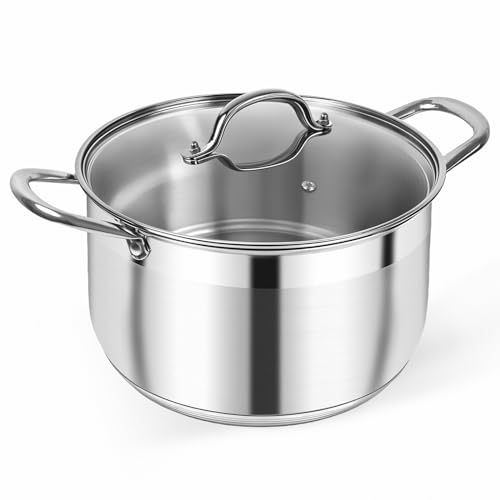
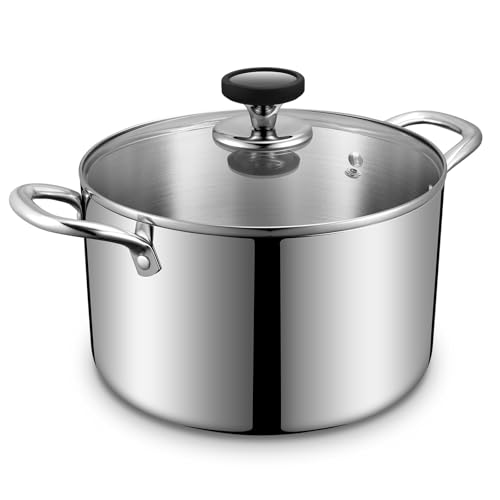
Large Pot: A substantial pot is crucial for cooking the soup evenly and accommodating all ingredients without overflowing. Alternatives like a Dutch oven can be used, and when selecting, look for heavy-bottomed options that distribute heat well.
Wooden Spoon: Important for stirring without scratching your pot. A silicone spatula can also work, but the wooden spoon offers better resistance and control when mixing ingredients.
Ladle: Essential for serving the soup cleanly and efficiently. Consider alternatives like a large serving spoon, but a ladle’s depth and curve make it the best choice for this type of dish.


Ingredients
For the Base
|
| Amount | Ingredient | Notes |
|---|---|---|
| 1 tablespoon | olive oil | for sautéing |
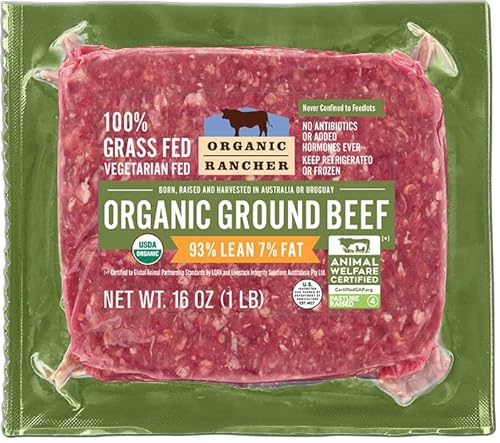
| 1 pound | ground beef | adds richness and flavor |
| 1 medium | onion | chopped, for aromatic base |
For the Sauce
| Amount | Ingredient | Notes |
|---|---|---|
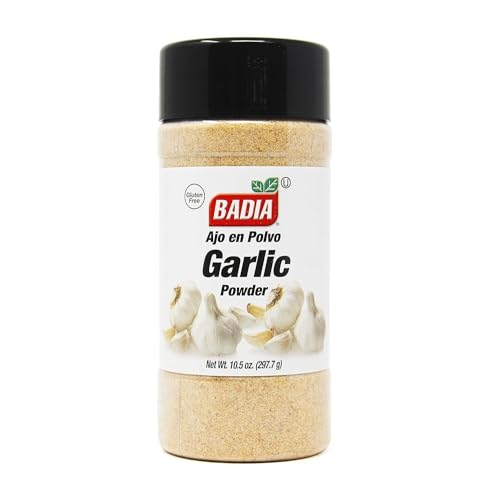
| 3 cloves | garlic | minced, enhances flavor |
| 28 ounces | canned tomatoes | crushed, forms the soup base |
| 4 cups | chicken broth | provides depth and volume |
Seasonings
| Amount | Ingredient | Notes |
|---|---|---|
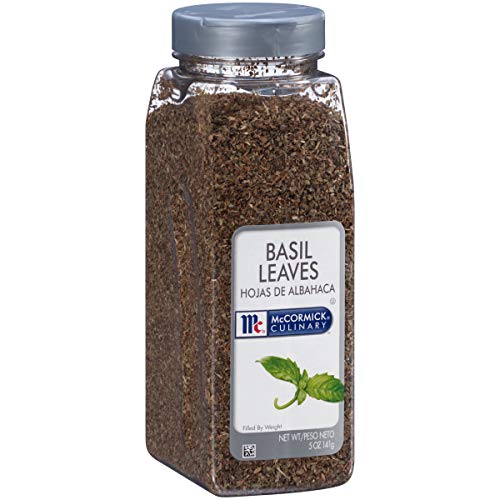
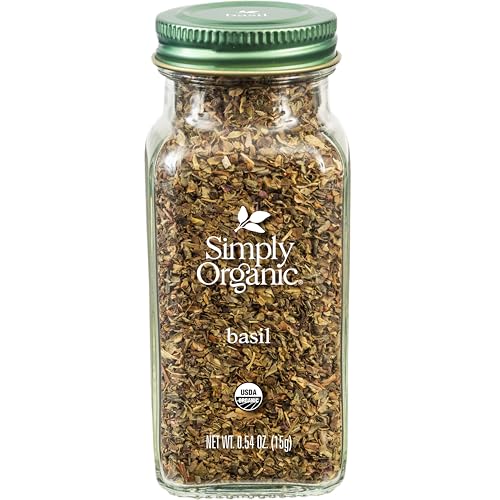
| 1 teaspoon | dried basil | adds Italian essence |
| 1 teaspoon | dried oregano | contributes to authentic flavor |
| 1 teaspoon | salt | enhances overall taste |
Pasta
| Amount | Ingredient | Notes |
|---|---|---|
| 8 ounces | lasagna noodles | broken into pieces, for texture |
Garnishes
| Amount | Ingredient | Notes |
|---|---|---|
| 1 cup | ricotta cheese | for creaminess |
| 1 cup | mozzarella cheese | shredded, for topping |
| 1 cup | Parmesan cheese | grated, for umami flavor |
| fresh basil leaves | for garnish |


Preparation Methods
Sautéing: This technique involves cooking food quickly in a small amount of oil over high heat, which is crucial for developing the deep flavors in the soup. Use a wide pot to ensure even cooking and prevent overcrowding.
Simmering: A gentle cooking method where ingredients are cooked just below boiling point. This allows flavors to meld together without the harshness of boiling. Keep the heat low, and look for gentle bubbles.
Blooming Spices: This involves cooking spices briefly in oil to enhance their flavor before adding other ingredients. It helps release essential oils and intensifies the dish's aroma, crucial for achieving rich flavor.


Step 1: Prepare Ingredients

Gather all ingredients and equipment before starting.
Chop the onion and mince the garlic, setting them aside separately.
Break the lasagna noodles into smaller pieces for easier incorporation into the soup.
Measure out all seasonings and cheeses to streamline the cooking process.


Step 2: Sauté the Onion and Garlic

Heat olive oil in a large pot over medium heat.
Add the chopped onion and sauté until translucent, about 5 minutes.
Stir in the minced garlic and cook for an additional minute, just until fragrant.
Ensure not to burn the garlic by stirring continuously.



Step 3: Brown the Ground Beef

Add the ground beef to the pot with the onions and garlic.
Cook, breaking it apart with a wooden spoon, until browned and cooked through.
Drain excess fat if necessary to avoid a greasy soup.
Ensure meat is evenly browned for optimal flavor.



Step 4: Add Tomatoes and Broth

Pour in the crushed tomatoes and chicken broth to the browned meat.
Stir well to combine all ingredients thoroughly.
Bring the mixture to a gentle simmer over medium heat.
Ensure no large chunks remain by stirring continuously.
Step 5: Season the Soup

Add dried basil, oregano, and salt to the pot.
Stir to incorporate the seasonings evenly throughout the soup.
Taste and adjust seasoning if necessary, adding more salt or herbs as desired.
Ensure the soup has a balanced, aromatic flavor profile.


Step 6: Cook the Lasagna Noodles
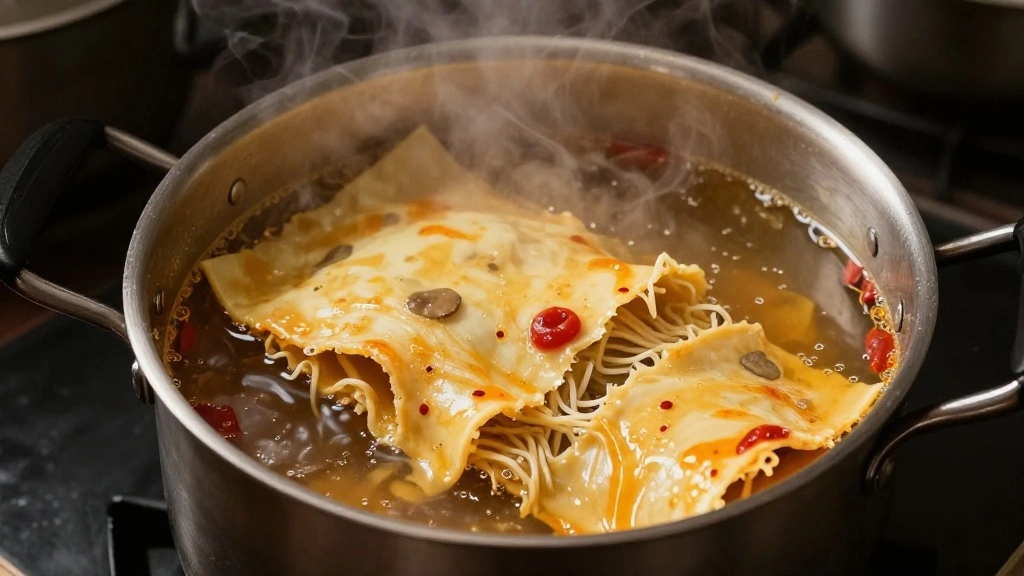
Break lasagna noodles into smaller pieces and add to the simmering soup.
Stir occasionally to prevent sticking and ensure even cooking.
Cook until noodles are tender but still hold shape, about 10 minutes.
Test noodles for doneness by tasting a piece.
Step 7: Prepare the Cheese Mixture

In a small bowl, combine ricotta, mozzarella, and Parmesan cheese.
Mix until well blended to create a creamy, cheesy mixture.
Set aside for topping the soup before serving.
Ensure the cheeses are evenly distributed for consistent flavor.
Step 8: Serve the Soup
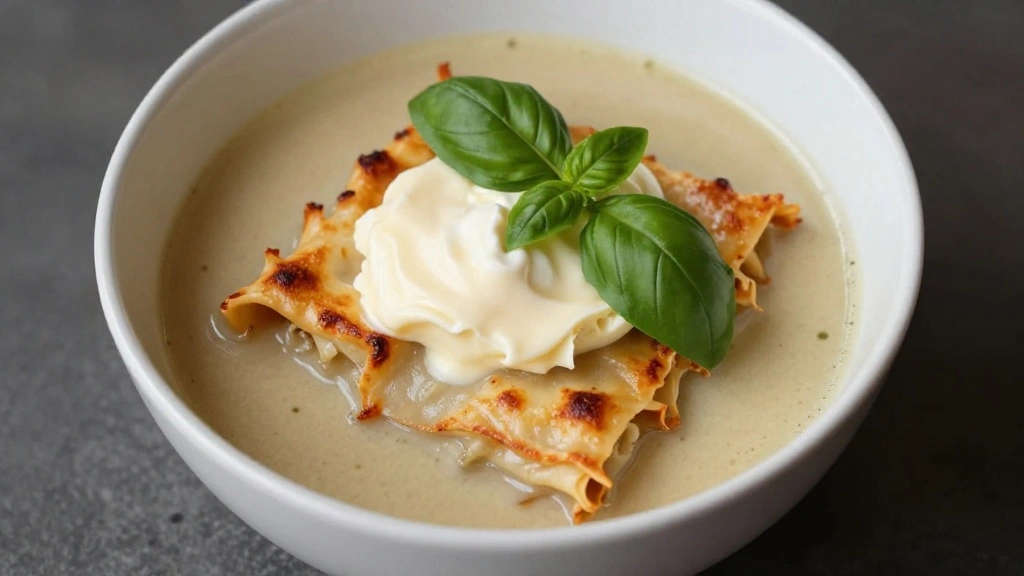
Ladle the hot soup into bowls for serving.
Top each bowl with a generous spoonful of the cheese mixture.
Garnish with fresh basil leaves for added aroma and presentation.
Serve immediately for the best flavor and texture.



Critical Timing and Temperature Guide
Sautéing Onions and Garlic: Cook onions until translucent over medium heat, usually 5 minutes. Avoid high heat to prevent burning the garlic.
Simmering Soup: Maintain a gentle simmer, not a rolling boil, after adding tomatoes and broth. Look for small bubbles and avoid boiling to preserve flavors.
Cooking Noodles: Noodles should cook for about 10 minutes at a simmer. Stir occasionally and test for tenderness to prevent overcooking.
Pro Tips for Hearty and Comforting
• Ingredient Selection: Use high-quality canned tomatoes for the best flavor, as they are the backbone of the soup's base.
• Preparation Secret: Bloom the spices in oil with the garlic to release their full potential and enhance the overall taste.
• Temperature Management: Keep the soup at a gentle simmer to prevent overcooking the noodles and maintain the integrity of the soup.
• Texture Enhancement: Avoid over-stirring the noodles once added to prevent them from breaking apart and becoming mushy.
• Flavor Layering: Add a splash of balsamic vinegar or a sprinkle of red pepper flakes for depth and a subtle kick.
• Make-Ahead Strategies: Prepare the soup base in advance and store in the fridge for up to two days, adding noodles fresh when reheating.
• Restaurant-Quality Finishing Touches: Use fresh basil leaves as a garnish for a vibrant, professional presentation.
• Equipment Optimization: A heavy-bottomed pot ensures even cooking and prevents scorching during the simmering process.



Troubleshooting Common Issues
• Soup Too Watery: If the soup is too thin, let it simmer uncovered to reduce and thicken. Ensure to stir occasionally to prevent sticking.
• Noodles Overcooked: Avoid cooking noodles for too long or at too high a temperature. Stir gently and test regularly for doneness.
• Flavors Unbalanced: If the soup tastes flat, adjust seasonings with salt, herbs, or a splash of vinegar to enhance the flavor.
• Cheese Not Melting: Ensure cheese is at room temperature before adding. Stir into hot soup to encourage melting and integration.
• Burnt Bottom: Stir the soup frequently, especially after adding noodles, to prevent ingredients from sticking and burning.
• Lacking Depth: Consider adding a Parmesan rind during cooking for extra umami and richness, removing it before serving.
Variations and Regional Differences
• Vegetarian Version: Substitute ground beef with lentils or plant-based meat alternatives for a vegetarian twist.
• Spicy Southern Italian Style: Add chili flakes or sliced fresh chili peppers for a spicier version reminiscent of Southern Italian cuisine.
• Seafood Variation: Incorporate shrimp or mussels to create a seafood-inspired lasagna soup, common in coastal regions.
• Mexican-Inspired Lasagna Soup: Add black beans, corn, and chipotle peppers for a Mexican twist with a smoky, spicy flavor.


Food Science Behind the Recipe
• Maillard Reaction: Browning the ground beef is crucial for developing the deep, savory flavors that make the soup hearty and flavorful.
• Emulsification: The cheese mixture melts into the soup, creating a smooth texture and distributing flavors evenly.
• Gelatinization: As noodles cook, their starches release, slightly thickening the soup and contributing to the overall texture.
Frequently Asked Questions
What's the most common mistake people make when preparing Lasagna Soup? The most common mistake is overcooking the noodles, which can turn them mushy and unappetizing.
Can I make this soup in advance? Yes, prepare the base and store it in the fridge, adding noodles when reheating to avoid overcooking.
How can I make the soup spicier? Add red pepper flakes or a dash of hot sauce to introduce more heat.
Is there a way to make this recipe gluten-free? Swap traditional lasagna noodles for gluten-free pasta varieties to accommodate dietary needs.
Can I freeze Lasagna Soup? Yes, but exclude noodles before freezing, adding them fresh when reheating to preserve texture.
What type of cheese works best for this recipe? A combination of ricotta, mozzarella, and Parmesan offers the best balance of creaminess and flavor.
How do I prevent the soup from becoming too salty? Use low-sodium broth and adjust seasoning gradually, tasting as you go.
What can I serve alongside this soup? A simple green salad or crusty bread complements the hearty flavors of the soup perfectly.
Serving and Presentation Guide
• Traditional Presentation: Serve in deep bowls with a generous scoop of cheese mixture on top and a fresh basil garnish.
• Rustic Style: Use wooden bowls or serve with a side of crusty bread for a rustic, homey feel.
• Family Style: Present the soup in a large serving pot at the table, allowing guests to help themselves.
• Elegant Presentation: Serve in white porcelain bowls with a drizzle of olive oil and a sprinkle of freshly ground black pepper for a refined finish.
Conclusion
Lasagna Soup combines the best of both worlds, offering the flavors you love in a convenient and comforting form.
Perfect for any occasion, this recipe promises to become a beloved part of your meal rotation.
Grab your ingredients and equipment, and enjoy creating a dish that's sure to warm hearts and fill stomachs.