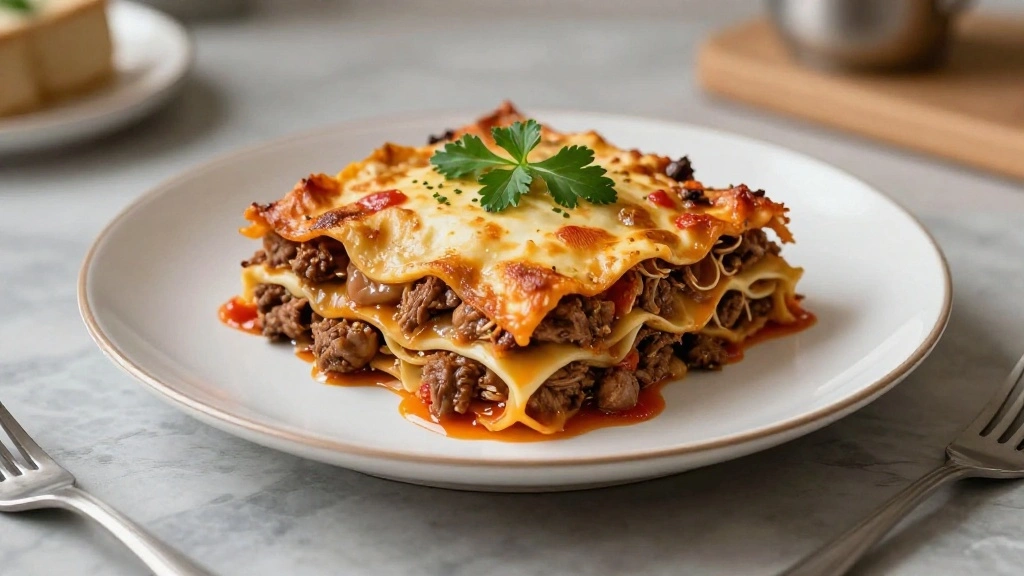
I first encountered the rich, comforting flavors of Savory Meat Lasagna during a family gathering in the heart of Tuscany.
The combination of beef and sausage creates a robust base, perfectly complemented by layers of creamy cheese and aromatic herbs.
This dish is a celebration of classic Italian cooking, where each bite tells a story of tradition and passion.
The savory layers of pasta, meat, and sauce make it an irresistible choice for any meal, whether casual or festive.
As the lasagna bakes, your kitchen fills with an inviting aroma that promises satisfaction with every serving.
The History and Cultural Significance
• Savory Meat Lasagna traces its origins to Ancient Rome, where it was originally created by chefs for the aristocracy.
• The dish evolved over decades as tomatoes and cheeses were introduced, eventually becoming the beloved version we know today.
• In Italian culture, this dish traditionally appears at family gatherings and celebrations, symbolizing warmth and unity.
• While many variations exist across different regions, the authentic version maintains rich meat and creamy cheese layers that set it apart from imitations.
Recipe Overview
Nutritional Information (per serving)


Essential Equipment Guide
Baking Dish: A deep 9×13-inch baking dish is essential for layering the lasagna properly, allowing it to cook evenly. Alternatives like a roasting pan can work, but ensure it is deep enough.
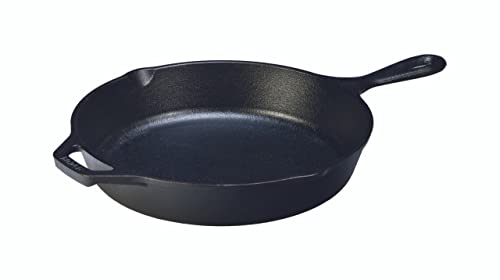
Large Skillet: A large skillet is crucial for browning the meat evenly. A cast-iron skillet is preferred for its heat retention, but any heavy-bottomed pan will suffice.
Mixing Bowls: Use mixing bowls to prepare and combine various ingredients separately. Stainless steel bowls are recommended for their durability and ease of cleaning.





Ingredients
For the Sauce
|
| Amount | Ingredient | Notes |
|---|---|---|
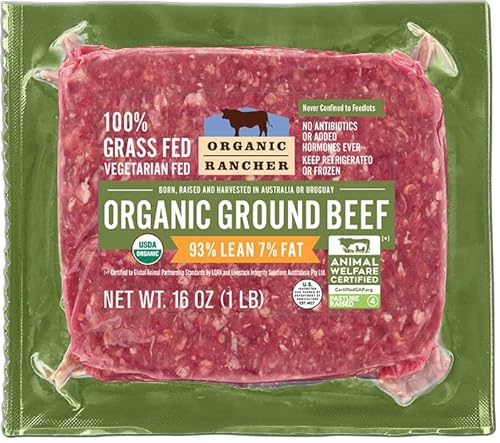
| 1 pound | ground beef | adds heartiness |
| 1 pound | Italian sausage | adds flavor complexity |
| 1 large | onion | finely chopped |
| 3 cloves | garlic | minced |
| 28 ounces | crushed tomatoes | base of the sauce |
| 2 tablespoons | tomato paste | thickens the sauce |
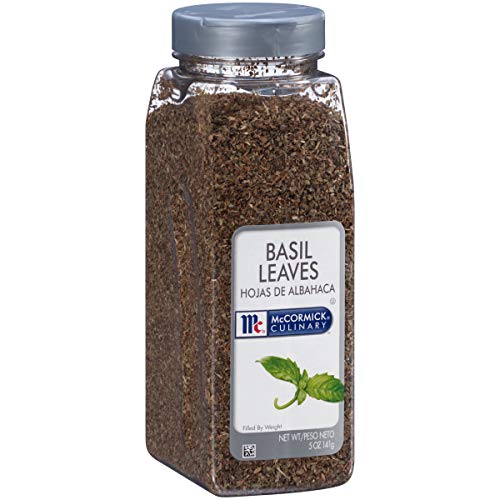
| 1 teaspoon | dried basil | adds aroma |
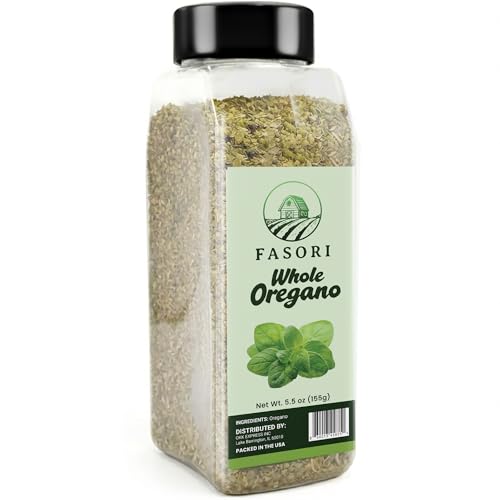
| 1 teaspoon | dried oregano | enhances Italian flavor |
For the Cheese Mixture
| Amount | Ingredient | Notes |
|---|---|---|
| 15 ounces | ricotta cheese | creamy layer |
| 1 cup | grated Parmesan cheese | adds sharpness |
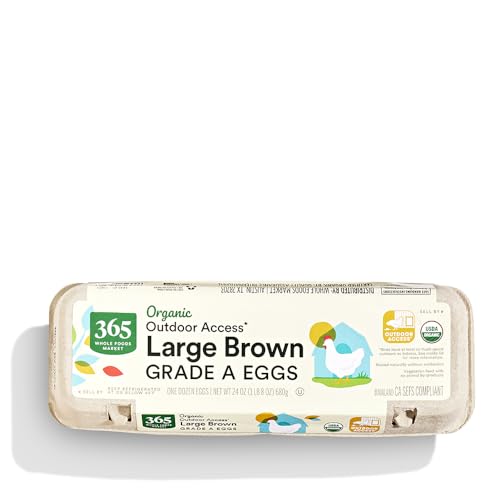
| 1 egg | binds the mixture | |
| 1 tablespoon | fresh parsley | chopped |
For the Lasagna
| Amount | Ingredient | Notes |
|---|---|---|
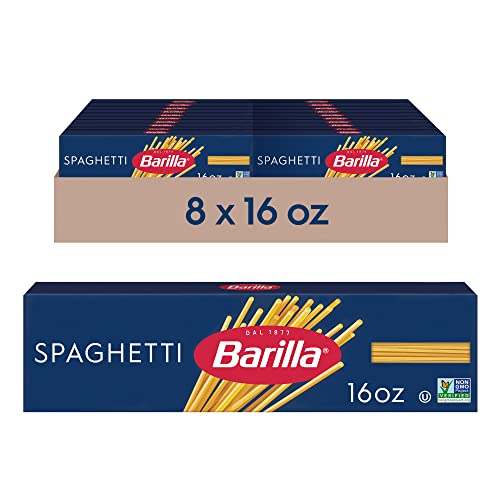
| 12 pieces | lasagna noodles | cooked |
| 2 cups | mozzarella cheese | shredded |



Preparation Methods
Sautéing: This involves cooking the onions and garlic in olive oil until they are translucent. It is crucial for building a flavorful base for the sauce. Use medium heat to prevent burning and stir frequently.
Simmering: After adding tomatoes to the meat, simmering allows flavors to meld and the sauce to thicken. Keep the heat low and cover the pot partially to maintain moisture while allowing some evaporation.
Layering: This technique is key in assembling the lasagna. Start with a thin layer of sauce, followed by noodles, cheese mixture, and repeat. Ensure even distribution for balanced flavors in each bite.



Step 1: Prepare Ingredients

Chop the onion finely and mince the garlic.
Shred the mozzarella cheese and set aside.
Cook the lasagna noodles according to package instructions until al dente.
Drain and rinse the noodles under cold water to prevent sticking.


Step 2: Brown the Meat

Heat a large skillet over medium heat and add the ground beef and sausage.
Cook until the meat is browned and crumbled.
Drain excess fat from the skillet to prevent a greasy sauce.
Transfer the cooked meat to a plate and set aside.


Step 3: Sauté Onions and Garlic

In the same skillet, add a tablespoon of olive oil and heat over medium heat.
Add the chopped onions and cook until they become translucent.
Stir in the minced garlic and cook for another minute.
Ensure the garlic does not burn as it will become bitter.



Step 4: Prepare the Sauce

Return the cooked meat to the skillet with the onions and garlic.
Add the crushed tomatoes, tomato paste, basil, and oregano.
Stir well to combine all ingredients.
Bring the mixture to a simmer, reducing heat to low, and cook for 30 minutes.



Step 5: Mix the Cheese Filling

In a mixing bowl, combine ricotta cheese, grated Parmesan, egg, and chopped parsley.
Stir until the mixture is smooth and well combined.
Season lightly with salt and pepper to taste.
Set aside until ready to assemble the lasagna.



Step 6: Assemble the Lasagna

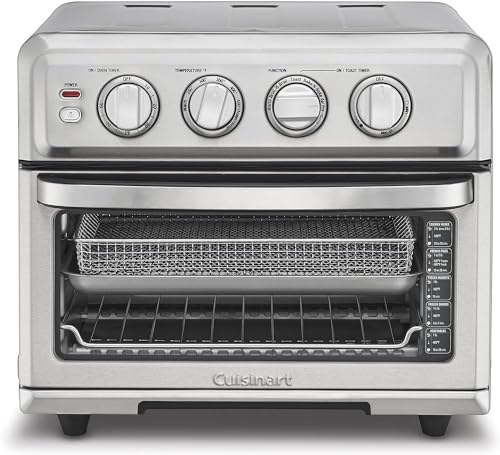
Preheat your oven to 375°F (190°C).
Spread a thin layer of meat sauce at the bottom of the baking dish.
Place a layer of noodles over the sauce, followed by a layer of cheese mixture and mozzarella.
Repeat the layers until all ingredients are used, finishing with a layer of mozzarella cheese on top.


Step 7: Bake the Lasagna

Cover the baking dish with aluminum foil to prevent the cheese from burning.
Place the dish in the preheated oven.
Bake for 25 minutes covered, then remove the foil.
Continue baking for an additional 15 minutes until the cheese is bubbly and golden brown.
Step 8: Rest and Serve

Remove the lasagna from the oven and let it cool for 10 minutes.
This resting period helps the layers set for easier slicing.
Cut the lasagna into generous portions using a sharp knife.
Serve hot with a side of garlic bread or salad.





Critical Timing and Temperature Guide
Cooking the Meat: Brown the meat over medium heat for about 8-10 minutes until no longer pink, ensuring even cooking and preventing overcooking.
Baking the Lasagna: Bake at 375°F (190°C) for 40 minutes total, ensuring the cheese is melted and bubbly. Avoid opening the oven frequently to maintain consistent temperature.
Resting Period: Allow the lasagna to rest for at least 10 minutes after baking. This helps the layers set and makes slicing easier without losing shape.
Pro Tips for Savory Meat Lasagna
• Ingredient Selection: Choose high-quality Italian sausage and fresh mozzarella cheese to enhance the flavors of the dish.
• Preparation Secret: Use a mix of crushed tomatoes and tomato paste for a thick, flavorful sauce that clings to the pasta.
• Temperature Management: Ensure the sauce simmers gently to prevent scorching and to meld flavors effectively.
• Texture Enhancement: Cook the noodles until just al dente, as they will continue to soften while baking.
• Flavor Layering: Add fresh basil leaves between layers for bursts of freshness that cut through the richness.
• Make-Ahead Strategies: Assemble the lasagna a day in advance and refrigerate; this allows flavors to meld and makes for easier slicing after baking.
• Restaurant-Quality Finishing Touches: Broil the lasagna for a few minutes after baking for a golden, crispy top layer.
• Equipment Optimization: Use a glass or ceramic baking dish for even heat distribution and better presentation.




Troubleshooting Common Issues
• Texture Too Dense: If the lasagna is too dense, it may be due to overcooked noodles or too little sauce. Ensure noodles are al dente and use ample sauce between layers.
• Flavors Unbalanced: If the flavors are not coming through, adjust seasoning in the sauce and cheese mixture. Taste and adjust salt, pepper, and herbs before assembling.
• Cheese Not Melting: Ensure mozzarella is fresh and evenly distributed. If using pre-shredded cheese, check for added anti-caking agents that can affect melting.
• Soggy Lasagna: This can occur if noodles are overcooked or too much liquid is in the sauce. Drain noodles well and simmer sauce until thickened.
• Burnt Edges: Cover the dish with foil during the initial baking period to prevent edges from burning, and remove foil for the final 15 minutes.


Variations and Regional Differences
• Neapolitan Style: This version uses boiled eggs and small meatballs within the layers, offering a richer, more decadent taste.
• Vegetarian Lasagna: Replace meat with layers of grilled vegetables like zucchini, eggplant, and spinach for a lighter alternative.
• Bolognese Lasagna: Features a slow-cooked meat sauce with beef and pork, with béchamel sauce instead of ricotta cheese.
• Seafood Lasagna: Incorporates shrimp and crab with a creamy Alfredo sauce, offering a luxurious twist on the classic dish.




Food Science Behind the Recipe
• Maillard Reaction: This browning reaction occurs when the meat is sautéed, developing rich flavors and aromas crucial for the sauce.
• Gelatinization of Starches: As lasagna noodles cook, the starches gelatinize, which helps them absorb flavors and contribute to the dish’s structure.
• Emulsification: Combining cheeses with eggs creates an emulsion that provides a creamy, cohesive texture in the cheese layer.
Frequently Asked Questions
What's the most common mistake people make when preparing Savory Meat Lasagna? Overcooking the noodles is a frequent issue, leading to a mushy texture. Cook them until al dente.
Can I freeze the lasagna? Yes, lasagna can be frozen either before or after baking. Wrap securely in foil and freeze for up to three months.
How can I make this dish healthier? Substitute whole wheat noodles and use lean ground beef or turkey. Opt for low-fat cheeses to reduce calories.
Why does my lasagna fall apart when serving? Let the lasagna rest after baking; this helps the layers set and makes slicing easier.
Can I make lasagna without ricotta cheese? Yes, you can use cottage cheese as an alternative or increase the amount of béchamel sauce.
What side dishes pair well with lasagna? A simple green salad and garlic bread complement the rich flavors of lasagna beautifully.
How do I prevent the top layer from drying out? Cover with foil during baking and remove it for the last 15 minutes to brown the cheese evenly.
Serving and Presentation Guide
• Traditional Presentation: Serve in the baking dish, slicing into squares for a rustic, family-style presentation.
• Individual Portions: Use ramekins to create single servings of lasagna, perfect for elegant plating.
• Garnish with Herbs: Fresh basil or parsley leaves add color and freshness, enhancing the visual appeal.
• Layered Plating: Serve slices on a bed of tomato sauce for a restaurant-quality presentation.




Conclusion
Savory Meat Lasagna is a timeless dish that brings people together around the table.
With each layer offering a symphony of flavors, it’s a meal that satisfies both heart and soul.
Try this recipe for your next family dinner or special occasion, and experience the joy of authentic Italian cuisine.
Your guests will be impressed, and your taste buds will thank you.