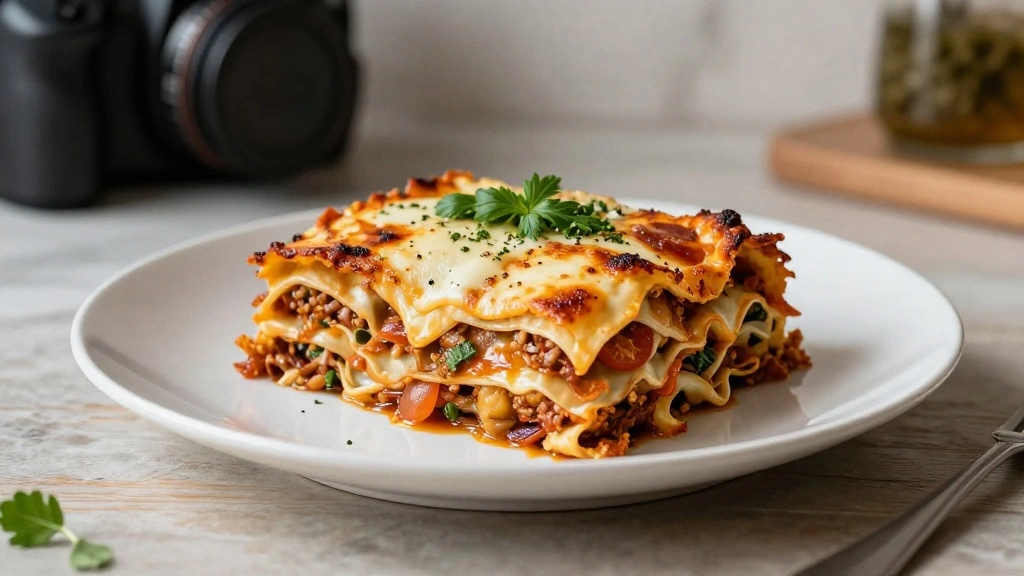
This delightful Mexican Lasagna brings a unique twist to a classic favorite, combining the savory flavors of traditional Mexican cuisine with the comforting layers of lasagna.
The rich blend of spices, cheeses, and fresh ingredients creates a dish that’s both hearty and satisfying.
I stumbled upon this recipe while exploring fusion dishes that meld different culinary cultures, and it has quickly become a family staple.
Perfect for any occasion, this recipe is as easy to prepare as it is delicious.
Whether you’re serving it at a casual family dinner or a festive gathering, this Mexican Lasagna is sure to impress.
With its straightforward preparation, you can enjoy the delightful complexity of flavors with minimal effort.
The History and Cultural Significance
• Mexican Lasagna traces its origins to the fusion of Italian and Mexican cuisines, likely emerging during the late 20th century as cultural exchanges broadened culinary horizons.
• The dish evolved over decades as home cooks began incorporating traditional Mexican ingredients like tortillas, beans, and salsas into the classic Italian lasagna framework.
• In Mexican-American culture, this dish often appears at family gatherings and potlucks, symbolizing the blend of cultural identities and flavors.
• While many variations exist across different regions, the authentic version maintains the use of corn tortillas and a blend of Mexican cheeses that sets it apart from imitations.
Recipe Overview
Nutritional Information (per serving)


Essential Equipment Guide
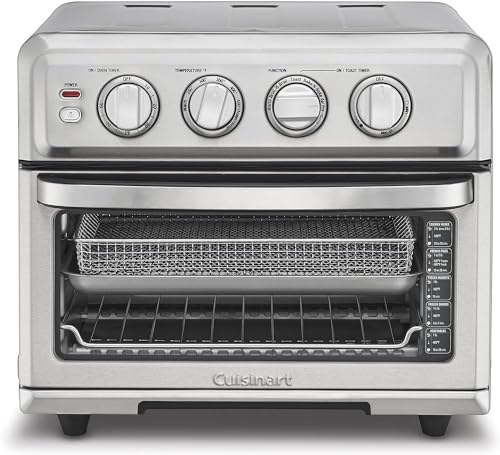
Baking Dish: A rectangular baking dish is crucial for layering the ingredients properly, ensuring even cooking and a pleasant presentation. An alternative could be a deep-dish pie pan, but ensure it is oven-safe and large enough to hold all layers.
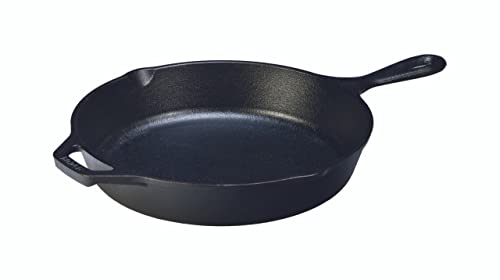
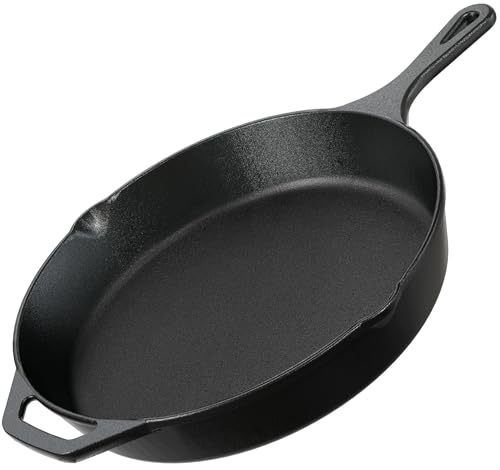
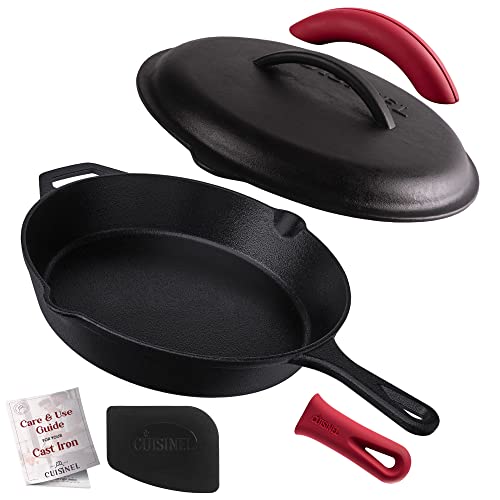
Skillet: A non-stick skillet is essential for browning the meat and vegetables, allowing for even cooking and preventing sticking. A cast-iron skillet is a great alternative for better heat retention.
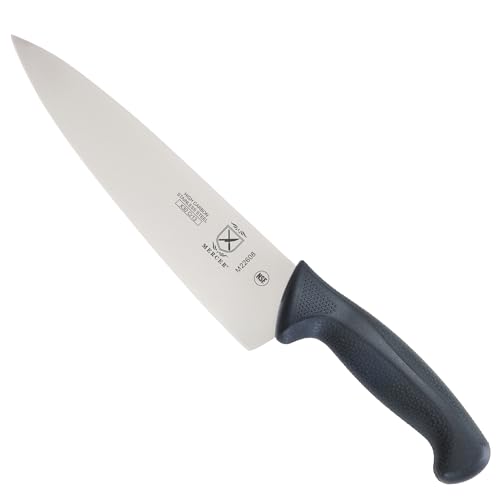
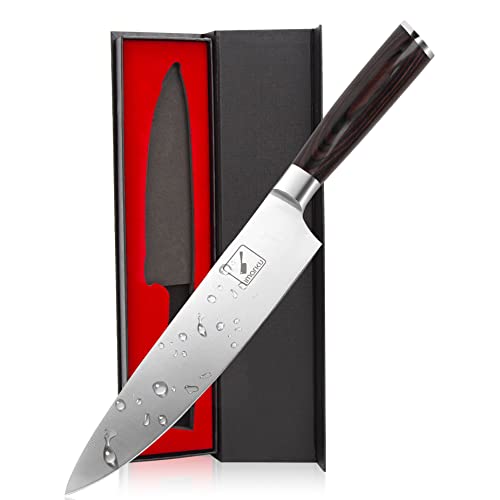
Sharp Knife: A sharp knife is necessary for chopping vegetables and slicing the lasagna for serving. Look for a knife with a comfortable grip and a well-balanced blade to make the task easier and safer.


Ingredients
For the Base
|
| Amount | Ingredient | Notes |
|---|---|---|
| 12 pieces | corn tortillas | for layering |
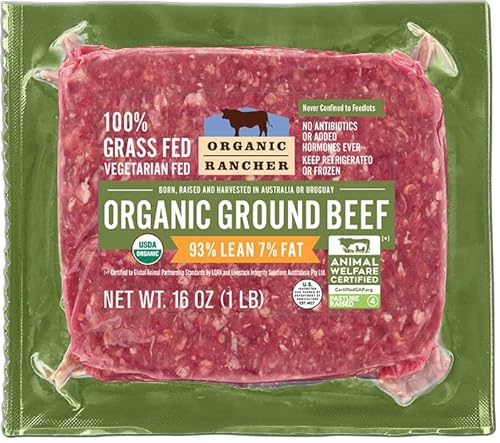
| 1 pound | ground beef | browned and crumbled |
For the Sauce
| Amount | Ingredient | Notes |
|---|---|---|
| 2 cups | salsa | adds zest and moisture |
| 1 can | black beans | drained and rinsed |
Vegetables
| Amount | Ingredient | Notes |
|---|---|---|
| 1 large | onion | finely chopped |
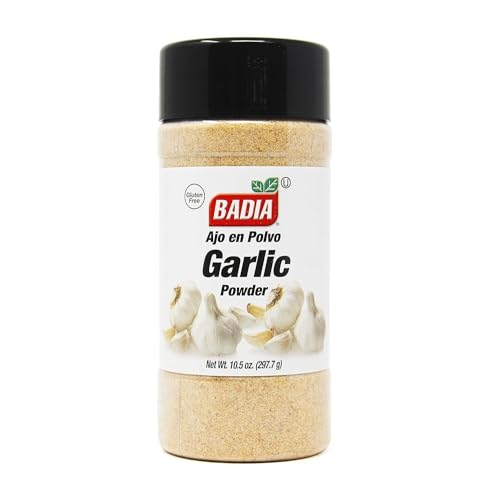
| 2 cloves | garlic | minced |
| 1 cup | corn kernels | fresh or frozen |
Seasonings
| Amount | Ingredient | Notes |
|---|---|---|
| 1 tablespoon | chili powder | adds spice |
| 1 teaspoon | cumin | adds warmth |
| 1 teaspoon | salt | enhances flavor |
Cheese
| Amount | Ingredient | Notes |
|---|---|---|
| 2 cups | Mexican cheese blend | shredded, for topping |



Preparation Methods
Sautéing Vegetables: Begin by heating oil in a skillet over medium heat, then add onions and garlic. Sautéing until translucent ensures the flavors meld beautifully with the other ingredients, adding depth to the dish.
Layering Technique: Layering is crucial for achieving the perfect balance of flavors in every bite. Start with a layer of tortillas, followed by meat, beans, and cheese, repeating until all ingredients are used, ending with cheese on top.
Resting Before Serving: Allowing the lasagna to rest for at least 10 minutes after baking helps the layers set and makes slicing easier. This technique also enhances the flavors, providing a more cohesive dish.


Step 1: Prepare Ingredients

Gather all ingredients and equipment needed for the recipe.
Chop the onion and mince the garlic, setting them aside for cooking.
Ensure that the tortillas are at room temperature and the cheese is shredded.
Organizing ingredients beforehand helps streamline the cooking process.



Step 2: Brown the Beef

Heat a skillet over medium-high heat and add the ground beef.
Cook the beef, breaking it apart with a wooden spoon until fully browned.
Drain any excess fat from the skillet to prevent a greasy dish.
Properly browned beef adds a rich flavor base to the lasagna.


Step 3: Sauté Vegetables

In the same skillet, add a touch of oil and sauté the onions and garlic.
Cook until the onions are translucent and the garlic is fragrant.
This step enhances the sweetness of the onions and mellows the garlic.
Ensure not to burn the garlic as it can impart a bitter taste.



Step 4: Combine Ingredients
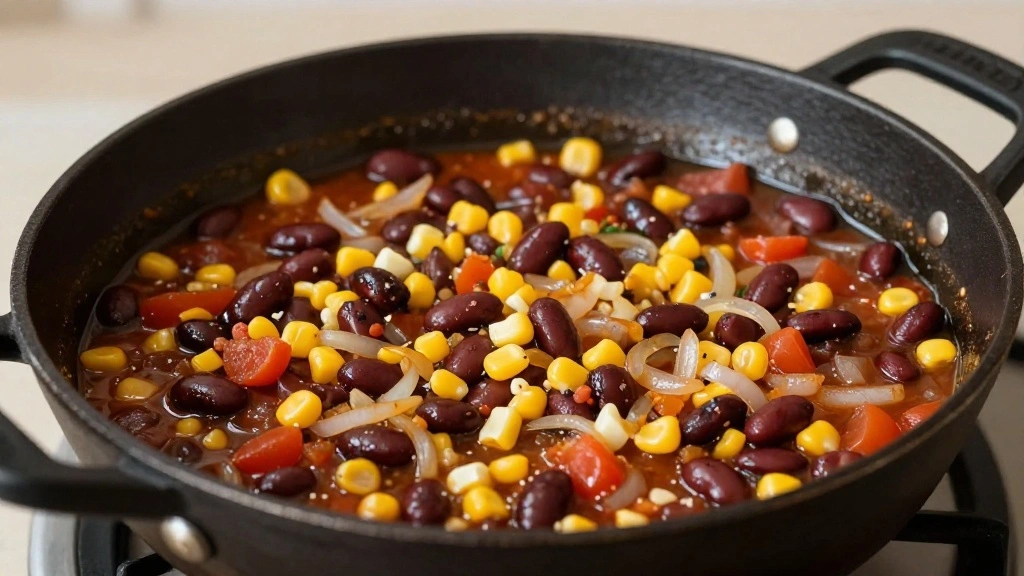
Add the salsa, black beans, and corn to the skillet with the vegetables.
Stir to combine all elements evenly, letting them simmer for a few minutes.
This helps meld the flavors together, creating a cohesive filling.
Taste for seasoning and adjust with salt or spices as needed.


Step 5: Assemble Lasagna
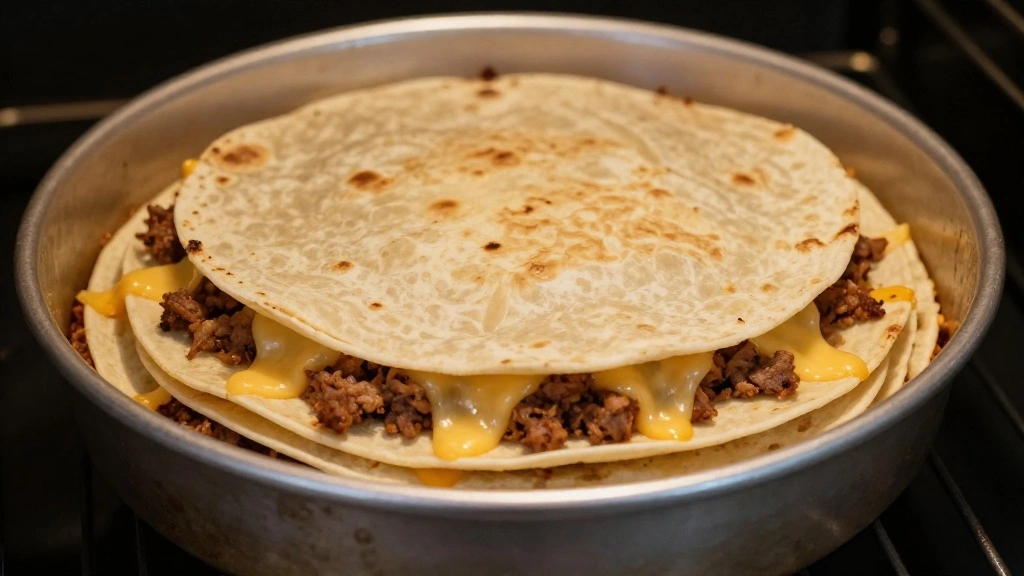
Preheat the oven to 375°F (190°C) while assembling the lasagna.
In a baking dish, layer tortillas, meat mixture, and cheese.
Repeat the layers, finishing with a generous amount of cheese on top.
Ensure even layers for a balanced flavor and texture throughout.
Step 6: Bake

Cover the baking dish with foil to prevent the cheese from burning.
Bake in the preheated oven for 30 minutes.
Remove the foil and bake for an additional 15 minutes to brown the cheese.
The cheese should be bubbly and golden brown when finished.
Step 7: Rest and Cool

Once baked, remove the lasagna from the oven and let it rest.
Allow it to cool for at least 10 minutes before slicing.
This resting period lets the layers set, making serving easier.
Cooling also enhances the flavors, making each bite more delicious.
Step 8: Serve
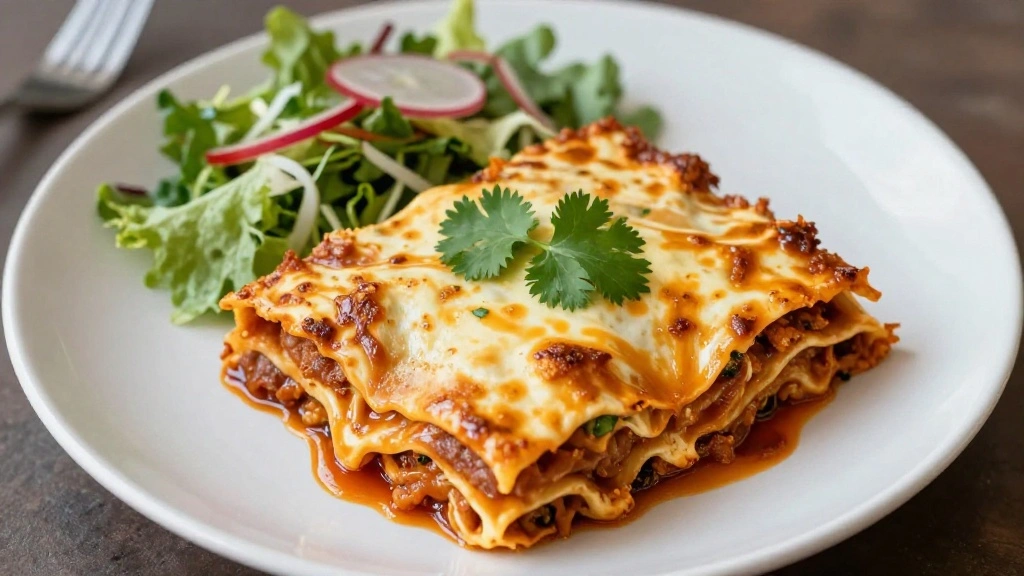
Cut the lasagna into portions using a sharp knife.
Garnish with fresh cilantro or a dollop of sour cream for added flavor.
Serve hot with a side of fresh salad or guacamole.
Enjoy the fusion of flavors and textures in each bite.




Critical Timing and Temperature Guide
Browning the Beef: Cook over medium-high heat for 7-10 minutes, ensuring it is fully browned without burning. Remove excess fat to avoid greasiness.
Baking the Lasagna: Bake covered at 375°F (190°C) for 30 minutes, then uncover and bake for an additional 15 minutes until cheese is golden brown.
Resting Time: Allow to rest for at least 10 minutes after baking to set the layers and enhance flavors.
Pro Tips for Mexican Lasagna Recipe
• Ingredient Selection: Choose fresh, high-quality corn tortillas and a blend of cheeses like cheddar and Monterey Jack for optimal flavor and texture.
• Preparation Secret: Toasting the tortillas lightly before layering can prevent them from becoming soggy and adds a subtle flavor boost.
• Temperature Management: Ensure all ingredients are at room temperature before assembling to promote even cooking.
• Texture Enhancement: For a creamier texture, mix a dollop of sour cream into the cheese layer.
• Flavor Layering: Add a dash of lime juice to the salsa for an extra zesty kick that brightens the dish.
• Make-Ahead Strategies: Prepare the meat mixture a day ahead and store in the refrigerator, allowing flavors to meld.
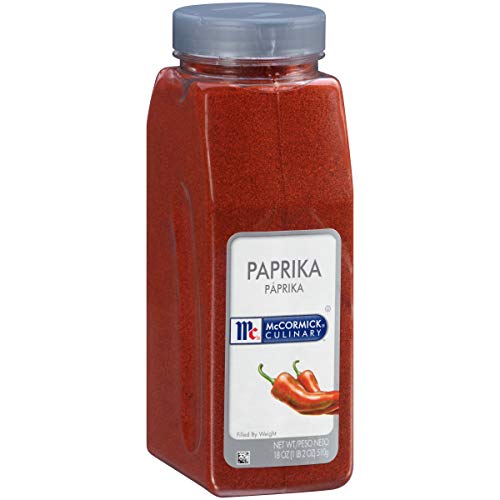
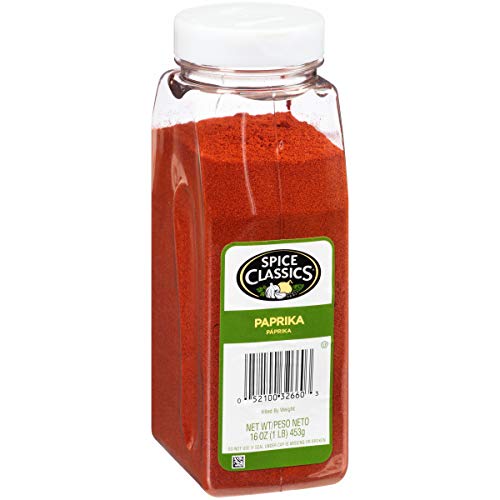
• Restaurant-Quality Finishing Touches: Sprinkle a touch of smoked paprika on top before serving for a gourmet finish.
• Equipment Optimization: Use a convection oven setting if available to achieve a beautifully browned cheese topping.




Troubleshooting Common Issues
• Texture Too Soggy: Caused by excess moisture in the ingredients. Ensure to drain beans and cook meat thoroughly to prevent watery layers.
• Flavors Unbalanced: If the dish tastes bland, increase seasoning in the meat mixture before assembling. Taste and adjust spices as needed.
• Cheese Not Melting Properly: Use freshly grated cheese rather than pre-shredded, which often contains anti-caking agents that hinder melting.
• Layers Not Setting: Allow proper resting time after baking to ensure layers bind and hold shape when sliced.
• Burnt Cheese: Avoid by covering with foil initially, and only remove for the last few minutes of baking for browning.
• Too Spicy: Balance heat by adding a dollop of sour cream or avocado slices on top before serving.
Variations and Regional Differences
• Tex-Mex Variation: This version often includes refried beans and jalapeños for added heat, reflecting the spicy, bold flavors of Tex-Mex cuisine.
• Vegetarian Style: Substitute the meat with a mix of zucchini and mushrooms, providing a hearty, plant-based alternative.
• Traditional Mexican Variation: Incorporates authentic Mexican cheeses like Oaxaca and uses homemade salsa for a more traditional flavor profile.
• California Fusion: Adds fresh avocado slices and uses flour tortillas for a softer, more Californian twist.


Food Science Behind the Recipe
• Maillard Reaction: This browning reaction occurs when cooking the beef, enhancing flavor by creating complex, savory notes.
• Starch Gelatinization: The heat causes starches in the tortillas to absorb liquid, thickening the layers and providing structure.
• Protein Denaturation: Heat causes proteins in cheese and meat to denature, altering their structure and resulting in a tender texture.
• Flavor Compounding: As the dish rests, flavors meld and intensify, leading to a more cohesive and flavorful bite.
Frequently Asked Questions
What's the most common mistake people make when preparing Mexican Lasagna? Overloading the dish with too many wet ingredients can lead to a soggy final product. Drain excess liquids and balance the moisture content for best results.
Can I make this recipe ahead of time? Yes, you can assemble the lasagna a day in advance and refrigerate it until ready to bake. This helps enhance the flavors as they meld together.
What can I do if my lasagna is too spicy? To tone down the heat, serve with a side of sour cream or guacamole, which helps balance spicy flavors.
How do I prevent my lasagna from sticking to the pan? Grease the baking dish lightly with oil or line it with parchment paper before adding the layers.
Can I freeze leftover lasagna? Yes, cool the lasagna completely, wrap it tightly in plastic wrap and foil, and freeze for up to three months.
Is it possible to use a different type of meat? Absolutely. Ground turkey or chicken are excellent alternatives, providing a leaner option while maintaining flavor.
How do I ensure even layers? Spread each ingredient layer evenly across the dish, ensuring complete coverage to achieve uniformity in each bite.
What's the best way to reheat leftovers? Cover the slices with foil and bake at 350°F (175°C) for 20-25 minutes until heated through, or microwave individual portions.
Serving and Presentation Guide
• Traditional Presentation: Serve directly from the baking dish, allowing guests to help themselves, creating a cozy, communal dining experience.
• Individual Servings: Slice into uniform squares and plate each serving, garnishing with fresh cilantro and lime wedges for a polished look.
• Rustic Style: Serve on wooden boards or rustic platters, surrounded by small bowls of toppings like diced tomatoes, avocado, and sour cream.
• Family-Style Buffet: Arrange alongside a spread of complementary sides like Mexican rice, refried beans, and fresh salads.




Conclusion
This Easy Mexican Lasagna Recipe with a Twist is a delightful fusion of flavors that brings the best of both Mexican and Italian cuisines to your table.
With its straightforward preparation and rich, satisfying taste, it's a perfect addition to any meal rotation.
I encourage you to try this recipe, experiment with variations, and make it your own family favorite.
Enjoy the journey of creating and sharing this delicious dish with your loved ones.