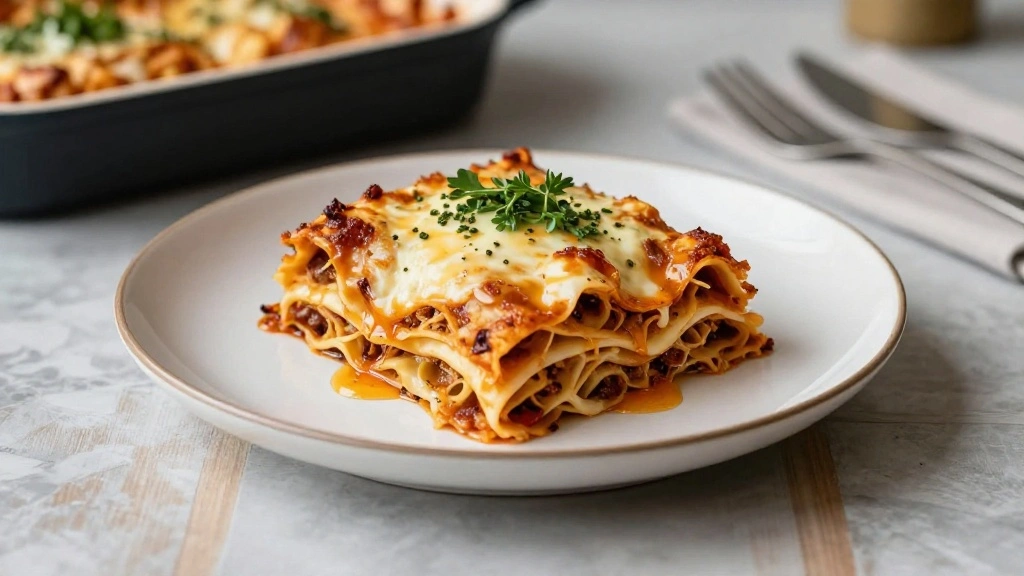
This quick lasagna recipe transforms the traditional, labor-intensive dish into a 30-minute culinary marvel.
The layers of tender pasta, rich meat sauce, and creamy cheese blend into a symphony of flavors and textures.
I first discovered the joy of quick lasagna on a busy weeknight, when time was scarce, but the craving was insistent.
Whether it’s a hectic weekday or a spontaneous dinner party, this recipe delivers the satisfaction of classic lasagna with a fraction of the effort.
The History and Cultural Significance
• 30-Minute Quick Lasagna traces its origins to Italy, where it was originally created as a layered pasta dish.
• The dish evolved over decades as quicker cooking methods and pre-made ingredients became more accessible, eventually becoming the beloved version we know today.
• In Italian culture, this dish traditionally appears at family gatherings and festive occasions, symbolizing warmth and togetherness.
• While many variations exist across different regions, the authentic version maintains the characteristic layers of pasta, meat sauce, and cheese that set it apart from imitations.




Recipe Overview
Nutritional Information (per serving)


Essential Equipment Guide
Baking Dish: A good-quality baking dish is essential to ensure even cooking and a perfect crust. Glass or ceramic dishes work well, but metal can be used for faster heat conduction.
Large Skillet: A large skillet is necessary for cooking the meat sauce efficiently. Non-stick or stainless steel options are preferable to prevent sticking.
Oven Mitts: These are crucial for safely handling hot dishes. Look for mitts that offer heat resistance and a good grip.


Ingredients
For the Base
|
| Amount | Ingredient | Notes |
|---|---|---|
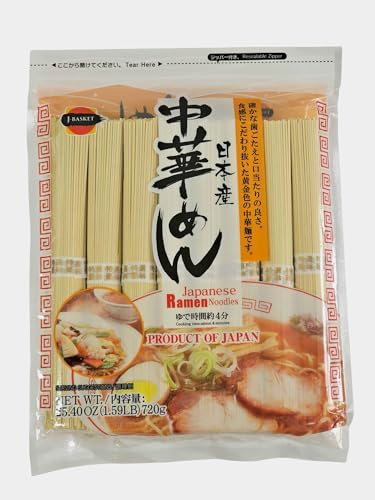
| 9 pieces | lasagna noodles | pre-cooked for convenience |
For the Sauce
| Amount | Ingredient | Notes |
|---|---|---|
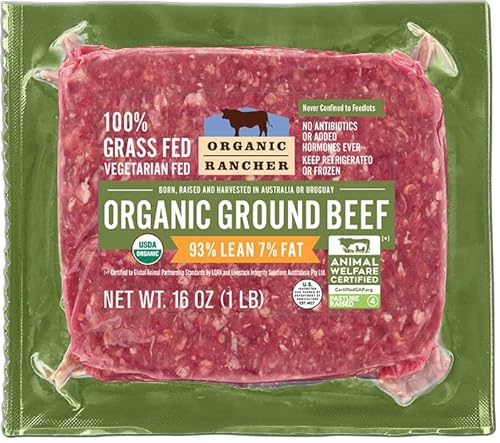
| 1 pound | ground beef | adds richness and flavor |
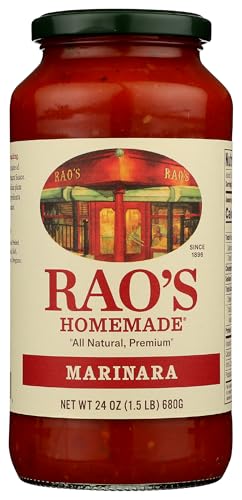
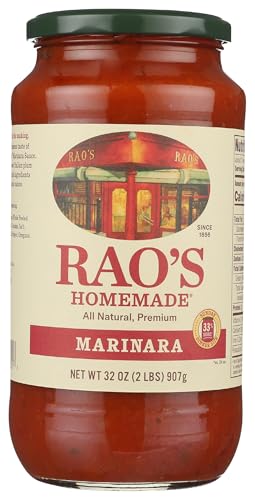
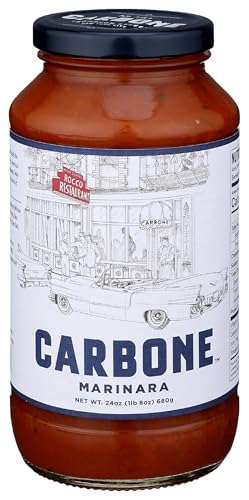
| 1 jar | marinara sauce | pre-made for quick preparation |
Cheese Layer
| Amount | Ingredient | Notes |
|---|---|---|
| 2 cups | ricotta cheese | provides creaminess |
| 2 cups | mozzarella cheese | shredded for easy melting |
Seasonings
| Amount | Ingredient | Notes |
|---|---|---|
| 1 teaspoon | dried oregano | enhances the flavor |
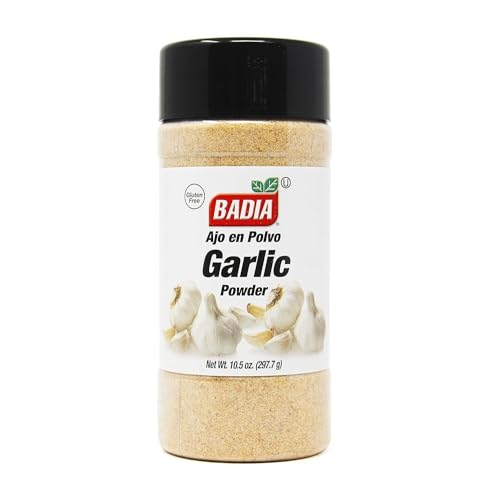
| 1 teaspoon | garlic powder | adds depth |



Preparation Methods
Layering Technique: Proper layering is crucial for even cooking and flavor distribution. Start with a thin layer of sauce, followed by pasta, cheese, and repeat. Make sure each layer is even and doesn't overflow the dish.
Simmering Sauce: Simmering the meat sauce allows flavors to meld together. Use medium heat and stir occasionally to prevent burning. This step ensures a rich and flavorful base.
Cheese Melting: Achieving the perfect cheese melt involves a balance of heat and time. Covering the dish with foil initially helps melt the cheese without burning, then remove the foil for browning.
Step 1: Preheat the Oven

Preheat your oven to 375°F (190°C).
This ensures the oven is hot enough to cook the lasagna evenly.
A preheated oven helps achieve a perfectly baked top layer.
Make sure to place the oven rack in the center position.
Step 2: Cook the Ground Beef

In a large skillet over medium heat, cook the ground beef.
Break it apart with a wooden spoon until browned and fully cooked.
Look for no pink remaining in the meat as an indicator of doneness.
Drain any excess fat to prevent a greasy sauce.


Step 3: Add Marinara Sauce

Pour the jar of marinara sauce into the skillet with the cooked beef.
Stir to combine and allow the mixture to come to a simmer.
Watch for bubbling edges as a sign it's ready to use.
Lower the heat to keep it warm while you prepare other components.


Step 4: Mix Ricotta Cheese

In a bowl, combine the ricotta cheese with garlic powder and oregano.
Stir until the mixture is smooth and well blended.
Taste and adjust seasoning as needed.
Set aside for layering.


Step 5: Layer the Ingredients

Spread a small amount of meat sauce in the bottom of the baking dish.
Place a layer of lasagna noodles over the sauce.
Cover with a layer of ricotta mixture and a sprinkle of mozzarella.
Repeat the layers until all ingredients are used, finishing with mozzarella.


Step 6: Cover and Bake

Cover the baking dish with aluminum foil.
Place it in the preheated oven on the center rack.
Bake for 20 minutes, allowing the layers to heat through.
This step ensures even cooking without drying out the top layer.
Step 7: Uncover for Browning

Carefully remove the foil from the baking dish.
Continue baking for an additional 5 minutes.
Look for a bubbly and lightly browned top as an indicator of doneness.
This creates a perfect golden crust on the cheese.
Step 8: Rest and Serve
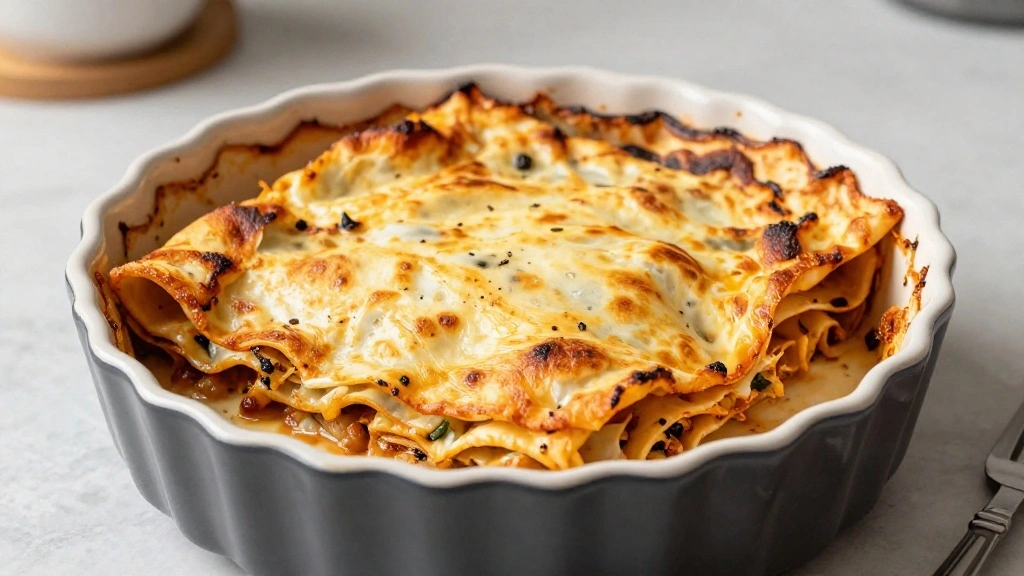
Remove the lasagna from the oven and let it rest for 5 minutes.
This allows the layers to set and makes serving easier.
Use a sharp knife to cut through the layers cleanly.
Serve hot, garnished with fresh basil if desired.



Critical Timing and Temperature Guide
Baking Time: Bake at 375°F for 20 minutes covered, then 5 minutes uncovered. Look for a golden cheese crust and bubbling edges to ensure it's cooked. Avoid overbaking which can dry out the pasta.
Sauce Simmering: Simmer the sauce for about 5 minutes to blend flavors. It should be bubbling gently, indicating readiness. Avoid high heat to prevent burning.
Resting Period: Allow the lasagna to rest for 5 minutes before serving. This helps the layers set and makes slicing easier. Avoid cutting too soon, which can result in messy servings.
Pro Tips for 30-Minute Quick Lasagna
• Ingredient Selection: Use high-quality marinara sauce and fresh ricotta for the best flavor. These ingredients make a significant difference in quality.
• Preparation Secret: Pre-cook lasagna noodles or use oven-ready ones to save time and ensure even cooking.
• Temperature Management: Ensure the oven is fully preheated to 375°F before baking to achieve the desired crust.
• Texture Enhancement: Use a mix of mozzarella and parmesan for the top layer to add complexity to the cheese texture.
• Flavor Layering: Add a pinch of nutmeg to the ricotta mixture for a subtle depth of flavor.
• Make-Ahead Strategies: Assemble the lasagna the night before and store it in the fridge, then bake just before serving.
• Restaurant-Quality Finishing Touches: Garnish with freshly chopped basil or parsley for a pop of color and freshness.
• Equipment Optimization: Use a glass or ceramic dish for even heat distribution and better visual presentation.
Troubleshooting Common Issues
• Texture Too Dense: If the lasagna is dense, it may be due to overpacking layers. Ensure even layering and avoid pressing down too hard.
• Soggy Layers: Soggy layers can result from excess sauce. Use just enough to cover the noodles without drowning them.
• Lack of Flavor: To enhance flavor, ensure proper seasoning of each component, especially the ricotta and sauce.
• Burnt Top: If the cheese browns too quickly, cover with foil for the first part of baking and uncover only to brown slightly.
• Uneven Cooking: Ensure noodles are evenly spaced and not overlapping to prevent uneven cooking.
• Cheese Separation: Use high-quality cheese to avoid oil separation and ensure a creamy, cohesive top layer.
Variations and Regional Differences
• Traditional Italian: This version uses homemade pasta and a bechamel sauce instead of ricotta, providing a creamy and rich texture.
• American Style: Often includes more cheese varieties and sometimes additional meats like sausage for a heartier dish.
• Vegetarian Lasagna: Replaces meat with layers of roasted vegetables such as zucchini, spinach, and bell peppers.
• Seafood Lasagna: Incorporates shrimp and crab in a white sauce, offering a unique twist on the classic dish.


Food Science Behind the Recipe
• Maillard Reaction: The browning of cheese on top is due to the Maillard reaction, enhancing flavor and aroma.
• Starch Gelatinization: The pasta absorbs moisture and gelatinizes, becoming soft and tender during baking.
• Emulsification: The combination of cheese and sauce creates an emulsion, providing a smooth and creamy texture.
Frequently Asked Questions
What's the most common mistake people make when preparing 30-Minute Quick Lasagna? Overloading the layers with too much sauce or cheese, which can lead to soggy results.
Can I make this lasagna ahead of time? Yes, assemble it a day in advance and refrigerate, then bake just before serving.
Is it possible to use gluten-free noodles? Absolutely, just ensure they are pre-cooked or oven-ready to adapt to the quick cooking time.
How can I add more vegetables to this recipe? Add layers of spinach, mushrooms, or zucchini between the pasta and cheese layers.
Can I freeze leftovers? Yes, lasagna freezes well; store in airtight containers and reheat thoroughly before serving.
What’s a good side dish to serve with lasagna? A fresh green salad or garlic bread complements the richness of lasagna perfectly.
How do I prevent the cheese from becoming oily? Use part-skim mozzarella and avoid over-baking to prevent oil separation.
Serving and Presentation Guide
• Traditional Presentation: Serve in the baking dish, cut into individual squares, and garnish with fresh basil.
• Family Style: Present on a large platter with a side of marinara sauce for extra flavor.
• Individual Portions: Use ramekins to create single-serve lasagnas for personalized servings.
• Buffet Style: Offer a variety of lasagna types on a buffet, allowing guests to sample different styles.
Conclusion

Now that you've mastered the 30-Minute Quick Lasagna, it's time to share it with your loved ones.
This simple yet satisfying meal is perfect for any occasion and will surely become a family favorite.
Don't hesitate to experiment with variations and make it your own.