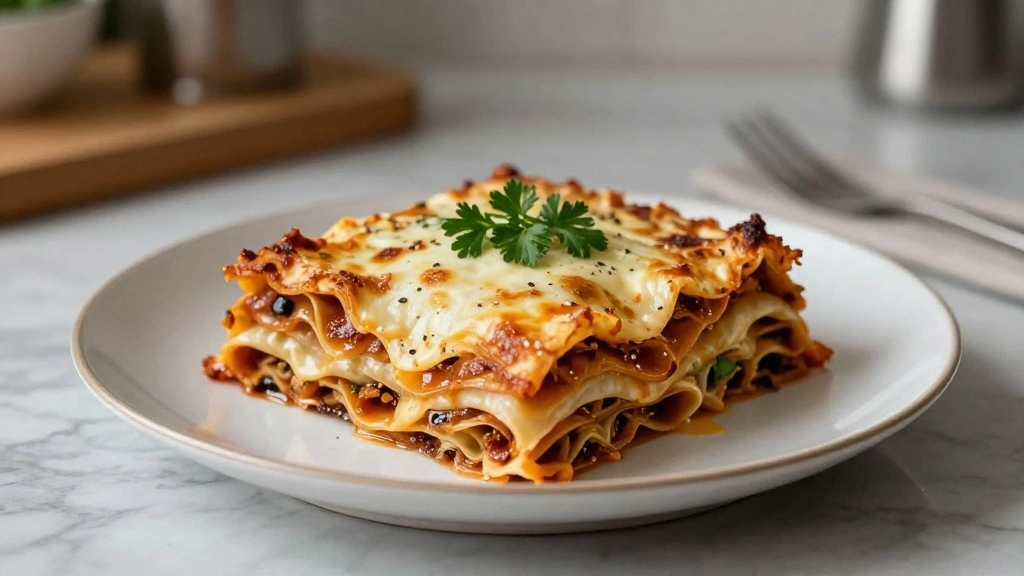
This classic Vegan Lasagna brings together centuries of culinary tradition with modern techniques to create a dish that’s both comforting and elegant.
The harmonious balance of savory vegetables, creamy dairy-free cheese, and rich tomato sauce creates a memorable dining experience that will have everyone asking for your secret.
I discovered this recipe during my travels through Italy, where local chefs have perfected it through generations of careful refinement.
Whether you’re preparing a casual family dinner or hosting a special celebration, this Vegan Lasagna delivers impressive results with straightforward preparation.
The History and Cultural Significance
• The Best Vegan Lasagna traces its origins to Italy, where it was originally created by adapting traditional lasagna recipes to meet dietary preferences.
• The dish evolved over decades as plant-based ingredients became more accessible, eventually becoming the beloved version we know today.
• In Italian culture, this dish traditionally appears at family gatherings and celebrations, symbolizing comfort and togetherness.
• While many variations exist across different regions, the authentic version maintains the rich, layered texture that sets it apart from imitations.
Recipe Overview
Nutritional Information (per serving)


Essential Equipment Guide
Baking Dish: A high-quality baking dish is crucial for even cooking and achieving the perfect lasagna layers. Alternatives include a glass or ceramic dish; look for one that distributes heat evenly.
Chef’s Knife: A sharp chef’s knife is essential for slicing vegetables uniformly. Consider alternatives like a mandoline for consistent results.
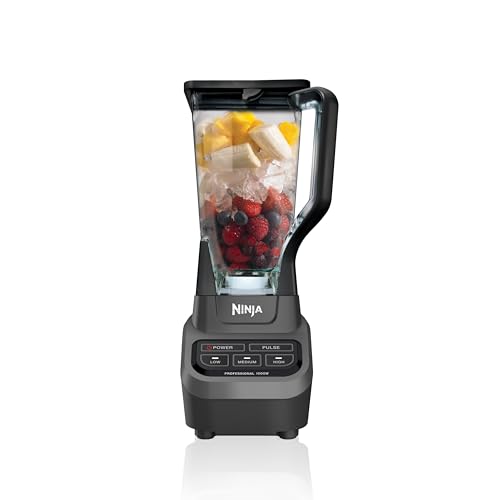
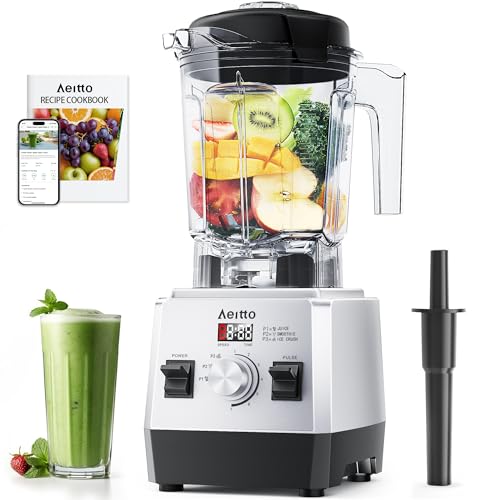
Blender or Food Processor: This tool is important for creating smooth vegan cheese and sauces. Look for models with strong motors and sharp blades.






Ingredients
For the Base
|
| Amount | Ingredient | Notes |
|---|---|---|
| 12 pieces | lasagna noodles | cooked al dente |
For the Sauce
| Amount | Ingredient | Notes |
|---|---|---|
| 2 tablespoons | olive oil | adds richness |
| 1 large | onion | finely chopped |
| 4 cloves | garlic | minced |
| 28 ounces | canned tomatoes | crushed |
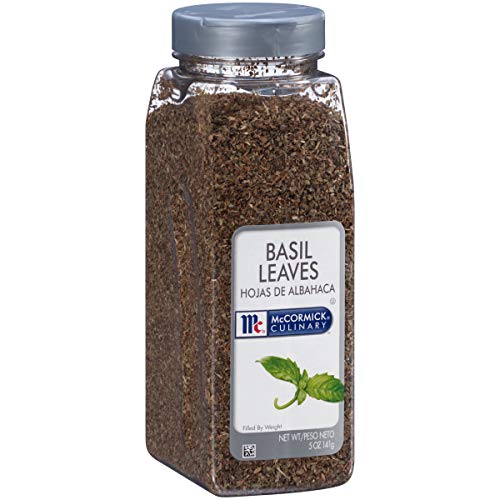
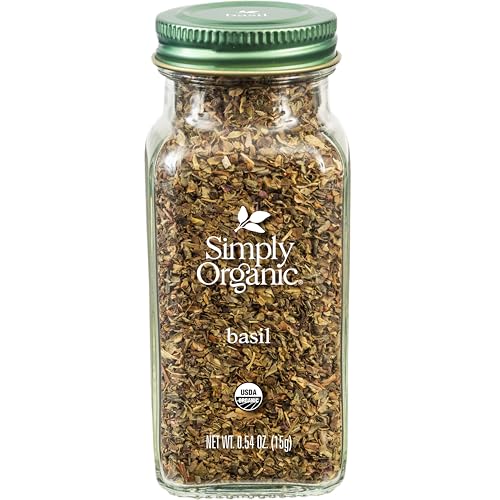
| 1 teaspoon | dried basil | adds aroma |
| 1 teaspoon | dried oregano | enhances flavor |
Vegetables
| Amount | Ingredient | Notes |
|---|---|---|
| 2 medium | zucchinis | sliced |
| 1 large | eggplant | cubed |
| 1 red bell pepper | diced |
For the Vegan Cheese
| Amount | Ingredient | Notes |
|---|---|---|
| 1 cup | cashews | soaked and drained |
| 2 tablespoons | nutritional yeast | adds cheesy flavor |
| 1 tablespoon | lemon juice | adds tanginess |
| 1 pinch | salt | to taste |



Preparation Methods
Making Vegan Cheese: Soak cashews in water for at least 4 hours to soften. Blend with nutritional yeast, lemon juice, and salt until smooth. This technique provides creaminess without dairy.
Layering Technique: Start with a thin layer of sauce, followed by noodles, vegetables, and vegan cheese. Repeat layers to create a structured lasagna. This method ensures each bite is perfectly balanced.
Sautéing Vegetables: Sauté vegetables separately to maintain their texture. Cook them until they start to soften but still have a bite. This prevents the lasagna from becoming mushy.


Step 1: Prepare Ingredients

Gather all the ingredients listed in the recipe.
Wash and chop the vegetables as specified.
Soak the cashews for the vegan cheese.
Cook the lasagna noodles and set aside.
Step 2: Make the Sauce

Heat olive oil in a pan over medium heat.
Add chopped onions and sauté until translucent.
Stir in minced garlic and cook for another minute.
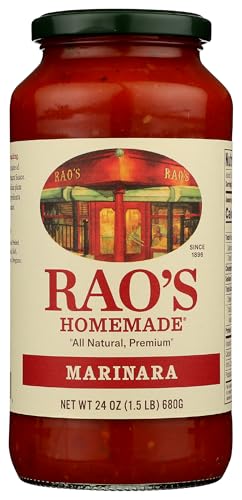
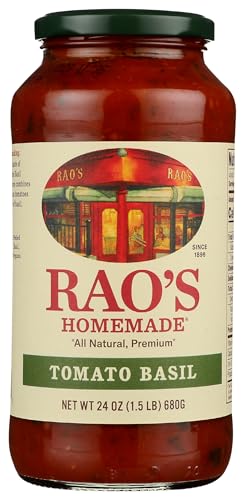
Add crushed tomatoes, basil, and oregano, simmering for 20 minutes.


Step 3: Sauté Vegetables
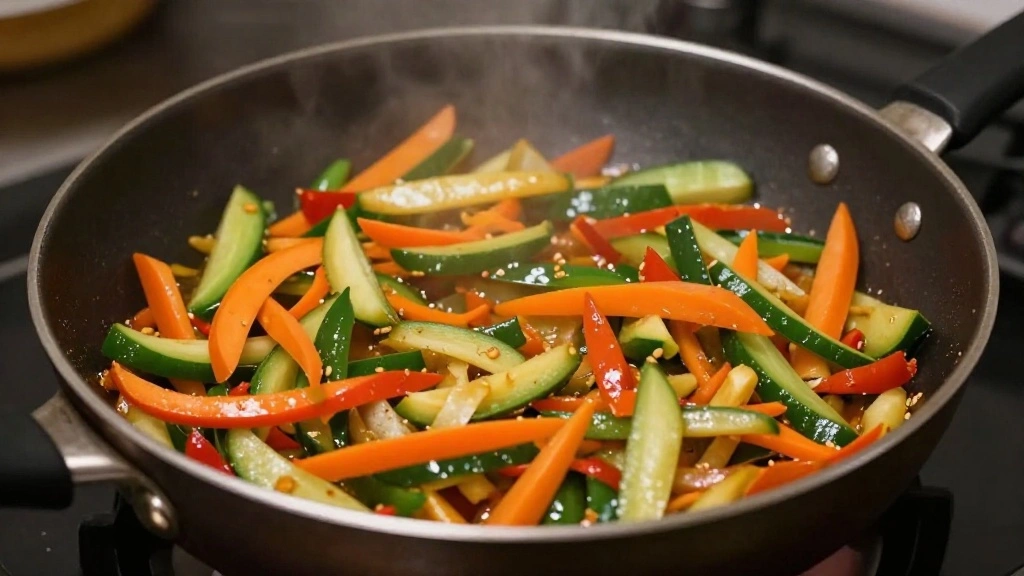
In a separate pan, heat oil over medium heat.
Sauté zucchini, eggplant, and red bell pepper until slightly softened.
Season with a pinch of salt and pepper.
Remove from heat and set aside.


Step 4: Make Vegan Cheese

Drain the soaked cashews and place them in a blender.
Add nutritional yeast, lemon juice, and salt.
Blend until smooth and creamy.
Adjust seasoning if necessary.


Step 5: Preheat Oven

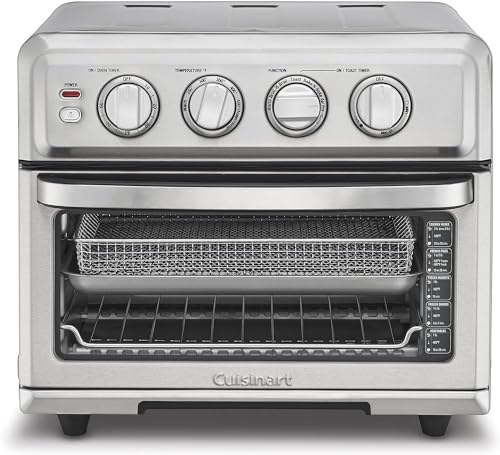
Preheat your oven to 375°F (190°C).
Ensure the oven rack is in the middle position.
This temperature is ideal for even cooking and browning.
Prepare the baking dish with a light oil spray.


Step 6: Assemble Lasagna
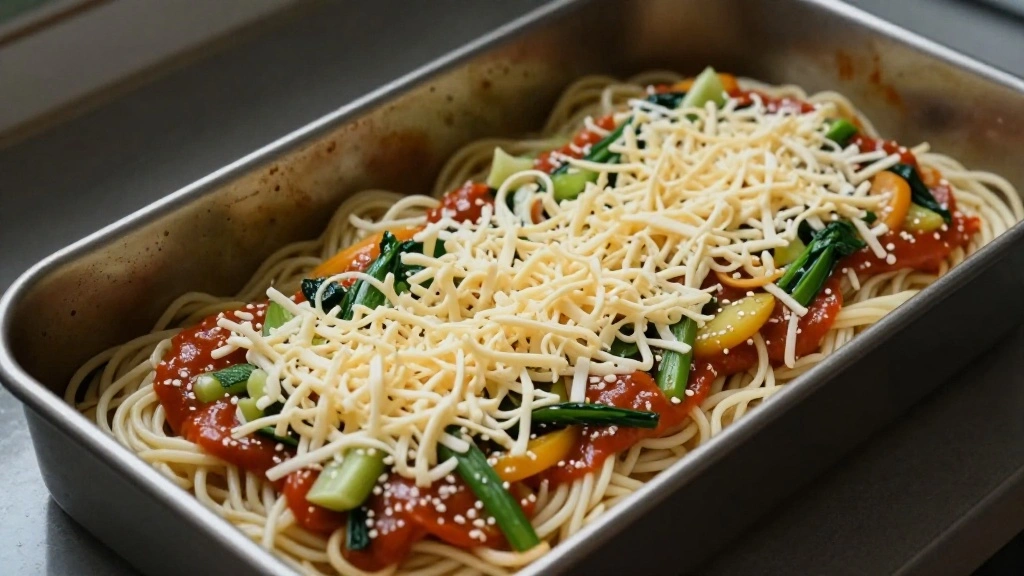
Spread a thin layer of tomato sauce on the bottom of the baking dish.
Place the first layer of lasagna noodles over the sauce.
Add a layer of sautéed vegetables and dollops of vegan cheese.
Repeat the layers, finishing with a layer of sauce and cheese.




Step 7: Bake Lasagna

Cover the lasagna with aluminum foil.
Bake in the preheated oven for 45 minutes.
Remove foil and bake for an additional 10 minutes to brown the top.
Let it rest for 10 minutes before serving.
Step 8: Serve and Enjoy

Carefully slice the lasagna into portions.
Use a spatula to serve each piece onto plates.
Garnish with fresh basil for added flavor.
Enjoy your homemade vegan lasagna!



Critical Timing and Temperature Guide
Sautéing Vegetables: Sauté for about 5-7 minutes on medium heat until slightly softened. Avoid overcooking to prevent mushiness.
Baking Lasagna: Bake at 375°F for 55 minutes total, with the last 10 minutes uncovered to brown. Ensure the top is golden and bubbly.
Resting Time: Let the lasagna rest for 10 minutes after baking to set layers and improve slicing.
Pro Tips for The Best Vegan Lasagna
• Ingredient Selection: Opt for high-quality, organic vegetables and the freshest herbs to enhance flavor.
• Preparation Secret: Let the vegan cheese sit for a few minutes after blending to thicken and develop flavor.
• Temperature Management: Ensure all ingredients are at room temperature before assembling for even cooking.
• Texture Enhancement: Use a mandoline slicer for uniform vegetable slices, ensuring consistent texture.
• Flavor Layering: Add a splash of balsamic vinegar to the sauce for depth of flavor.
• Make-Ahead Strategies: Assemble the lasagna a day in advance and refrigerate. Bring to room temperature before baking.
• Restaurant-Quality Finishing Touches: Sprinkle vegan Parmesan on top before the final bake for an extra cheesy crust.
• Equipment Optimization: Use a high-sided baking dish to prevent overflow and maintain neat layers.
Troubleshooting Common Issues
• Too Watery: Use less sauce or drain vegetables well. If already watery, bake uncovered for longer to evaporate excess moisture.
• Bland Flavor: Increase the amount of herbs and spices, and ensure enough salt is used to enhance flavors.
• Layers Falling Apart: Let the lasagna rest longer before cutting to ensure it sets properly.
• Cheese Not Melting: Use a different brand of vegan cheese or increase the baking time uncovered for better melting.
• Undercooked Noodles: Ensure noodles are fully cooked before assembling, or add more sauce to help cook them while baking.
Variations and Regional Differences
• Italian Style: Focuses on using traditional Italian vegetables like spinach and mushrooms, with a touch of nutmeg in the cheese.
• Mexican Twist: Incorporates black beans, corn, and jalapeños, with a spicy tomato sauce for a zesty kick.
• Thai Fusion: Uses Thai basil, coconut milk, and curry paste in the sauce for a unique flavor profile.
• Mediterranean Blend: Features olives, artichokes, and sun-dried tomatoes, with a hint of lemon in the cheese.




Food Science Behind the Recipe
• Emulsification: The blending of cashews and liquid creates a stable emulsion that mimics the creaminess of cheese.
• Maillard Reaction: Browning the top layer through the Maillard reaction enhances flavor and visual appeal.
• Hydration and Gelatinization: Soaking cashews allows for better blending, while noodles absorb sauce, creating a cohesive dish.
Frequently Asked Questions
What's the most common mistake people make when preparing Vegan Lasagna? Overloading on sauce, leading to a watery lasagna. Balance is key.
Can I freeze the lasagna? Yes, assemble and freeze before baking. Thaw overnight in the fridge before baking.
How do I add more protein? Include lentils or tofu in the layers for extra protein.
What's the best way to reheat leftovers? Reheat in the oven at 350°F until warmed through, or use a microwave for convenience.
Can I use gluten-free noodles? Absolutely, just ensure they are cooked properly before layering.
What if I’m allergic to nuts? Use a soy-based cheese alternative for the creamy layers.
How can I add more vegetables? Layer in spinach, kale, or other leafy greens for added nutrition.
Serving and Presentation Guide
• Traditional Presentation: Serve in a baking dish, with layers clearly visible, garnished with fresh basil leaves.
• Individual Portions: Slice and serve on individual plates with a sprinkle of vegan Parmesan.
• Family Style: Place the whole dish on the table for communal serving, with a side of crusty bread.
• Elegant Plating: Use a ring mold for perfectly shaped portions, and drizzle with balsamic reduction for a gourmet touch.
Conclusion
Now that you have all the steps and tips, it's time to embrace the joy of cooking and try this Vegan Lasagna recipe.
With its layers of flavor and texture, it promises to be a hit at your dining table.
Don't hesitate to experiment with variations and make it your own.