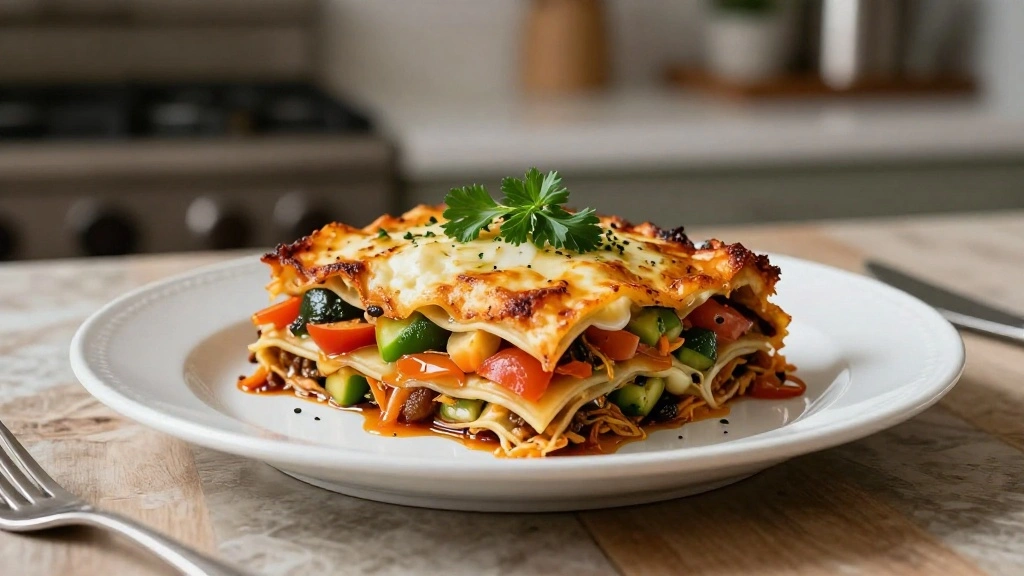
This classic Ultimate Roasted Vegetable Lasagna brings together centuries of culinary tradition with modern techniques to create a dish that’s both comforting and elegant.
The harmonious balance of roasted vegetables, creamy ricotta, and tangy tomato sauce creates a memorable dining experience that will have everyone asking for your secret.
I discovered this recipe during my travels through Italy, where local chefs have perfected it through generations of careful refinement.
Whether you’re preparing a casual family dinner or hosting a special celebration, this lasagna delivers impressive results with straightforward preparation.
The History and Cultural Significance
• The Ultimate Roasted Vegetable Lasagna traces its origins to Italy, where it was originally created by resourceful chefs using seasonal produce.
• The dish evolved over decades as chefs experimented with different vegetables and cheeses, eventually becoming the beloved version we know today.
• In Italian culture, this dish traditionally appears at family gatherings and festive occasions, symbolizing warmth and hospitality.
• While many variations exist across different regions, the authentic version maintains the delicate layering of vegetables and cheese that sets it apart from imitations.
Recipe Overview
Nutritional Information (per serving)


Essential Equipment Guide
Baking Dish: A ceramic or glass baking dish is essential for even heat distribution, which helps in achieving a perfectly baked lasagna. Alternatives include metal pans, though they may cook faster, potentially affecting the texture.
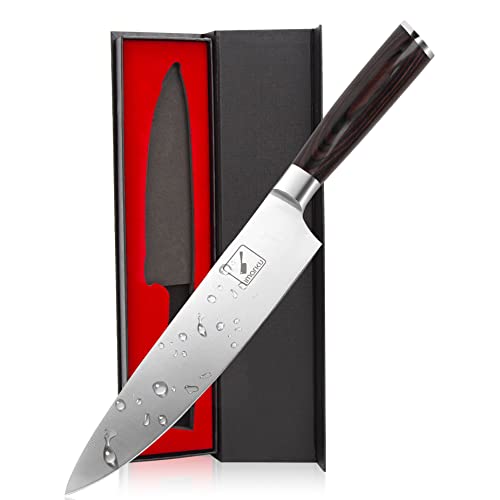
Chef’s Knife: A sharp chef’s knife is crucial for slicing vegetables uniformly, ensuring even roasting and layering. Look for a comfortable grip and a well-balanced blade.
Mandoline Slicer: For precise and thin vegetable slices, a mandoline slicer is invaluable. An adjustable thickness setting is a useful feature to have.





Ingredients
For the Base
|
| Amount | Ingredient | Notes |
|---|---|---|
| 9 pieces | lasagna noodles | preferably whole wheat, cooked and drained |
| 2 cups | ricotta cheese | adds creaminess |
Vegetables
| Amount | Ingredient | Notes |
|---|---|---|
| 2 medium | zucchinis | sliced, roasted |
| 1 large | eggplant | sliced, roasted |
| 1 red bell pepper | sliced, roasted |
For the Sauce
| Amount | Ingredient | Notes |
|---|---|---|
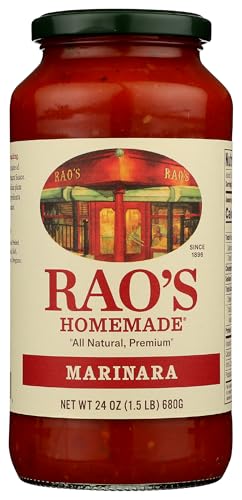
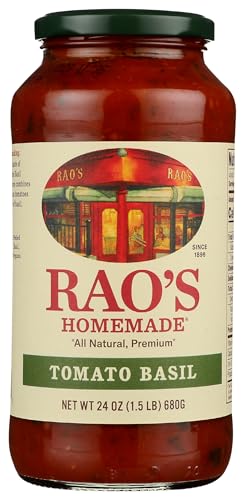
| 3 cups | tomato sauce | preferably homemade |
| 1 tablespoon | olive oil | for sautéing |
Seasonings
| Amount | Ingredient | Notes |
|---|---|---|
| 1 teaspoon | dried basil | for aroma |
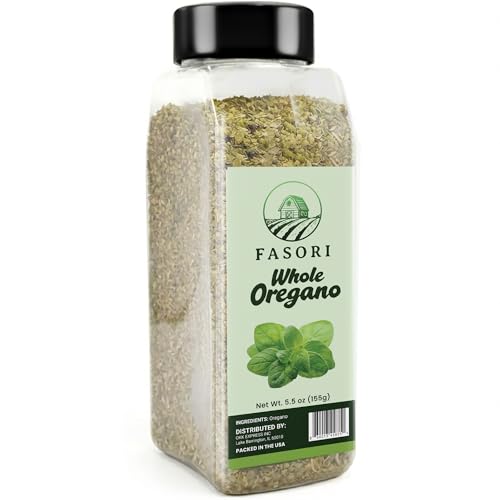
| 1 teaspoon | dried oregano | for depth of flavor |



Preparation Methods
Roasting Vegetables: This technique involves cooking vegetables in the oven at high temperatures, which caramelizes their natural sugars and enhances their flavors. For this dish, ensure vegetables are cut uniformly and not overcrowded to achieve even roasting.
Layering Technique: Proper layering in lasagna is crucial for even cooking and flavor distribution. Alternate layers of sauce, noodles, vegetables, and cheese meticulously.
Simmering Tomato Sauce: Slowly simmering tomato sauce allows flavors to meld and intensify. Use low heat to prevent burning and stir occasionally for consistent texture.


Step 1: Prepare Ingredients

Gather all ingredients and equipment needed for the recipe.
Preheat the oven to 400°F (200°C).
Begin by slicing all the vegetables uniformly.
Ensure the lasagna noodles are cooked according to package instructions.


Step 2: Roast Vegetables

Place sliced vegetables on a baking sheet lined with parchment paper.
Drizzle with olive oil and season with salt and pepper.
Roast in the preheated oven for 20-25 minutes until tender and slightly caramelized.
Check occasionally to prevent over-browning.


Step 3: Simmer Tomato Sauce

In a saucepan, heat olive oil over medium heat.
Add tomato sauce and season with dried basil and oregano.
Simmer gently for 15 minutes, stirring occasionally.
The sauce should thicken slightly and develop a rich aroma.



Step 4: Assemble Lasagna
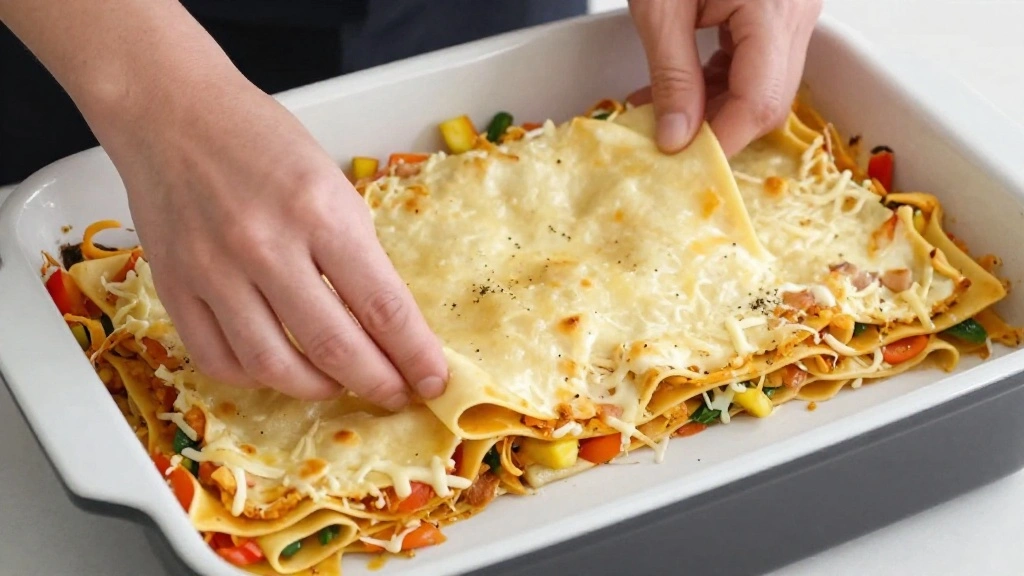
Spread a thin layer of tomato sauce at the bottom of the baking dish.
Place a layer of lasagna noodles over the sauce.
Add a layer of roasted vegetables, followed by dollops of ricotta cheese.
Repeat the layering process, ending with a layer of sauce and cheese on top.




Step 5: Bake Lasagna

Reduce oven temperature to 375°F (190°C).
Cover the assembled lasagna with aluminum foil.
Bake in the oven for 30 minutes.
Remove foil and bake for an additional 10-15 minutes until the top is golden and bubbly.
Step 6: Rest and Set
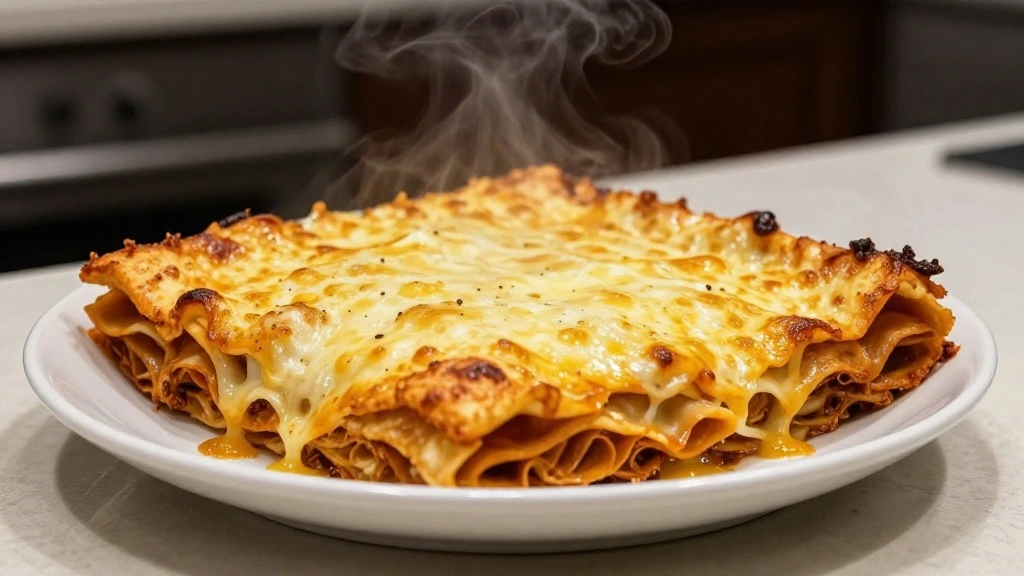
Remove the lasagna from the oven once baked.
Allow it to rest for 10 minutes before slicing.
This resting period helps the layers set and makes slicing easier.
Cover loosely with foil if necessary to keep warm.
Step 7: Slice and Serve

Using a sharp knife, carefully slice the lasagna into portions.
Use a spatula to serve slices onto individual plates.
Garnish with fresh basil leaves for added freshness.
Serve warm and enjoy.




Step 8: Clean Up

Begin by soaking any used pots and pans to make washing easier.
Wipe down surfaces with a damp cloth to remove any spills or crumbs.
Store any leftover lasagna in an airtight container in the refrigerator.
Consider freezing portions for future meals.
Critical Timing and Temperature Guide
Roasting Vegetables: Roast at 400°F (200°C) for 20-25 minutes. Vegetables should be tender and slightly browned. Avoid overcrowding the baking sheet to ensure even roasting.
Baking Lasagna: Bake at 375°F (190°C) for 40-45 minutes, with the last 10-15 minutes uncovered. The top should be golden and cheese bubbly. Avoid leaving the foil on for the entire duration to prevent steaming.
Resting Period: Allow the lasagna to rest for 10 minutes post-baking. This helps in setting the layers, making it easier to slice. Avoid cutting immediately to prevent layers from collapsing.
Pro Tips for The Ultimate Roasted
• Ingredient Selection: Use fresh, organic vegetables and high-quality ricotta for the best flavor and texture.
• Preparation Secret: Roasting vegetables with a sprinkle of sugar enhances caramelization and flavor.
• Temperature Management: Ensure the oven is preheated before roasting to achieve the best texture.
• Texture Enhancement: Use a mandoline slicer for uniform vegetable slices, ensuring even cooking.
• Flavor Layering: Add fresh herbs like basil between layers for an aromatic boost.
• Make-Ahead Strategies: Assemble the lasagna a day ahead and refrigerate. Bake when ready to serve, adding 10 minutes to the baking time.
• Restaurant-Quality Finishing Touches: Top with freshly grated Parmesan before serving for added sophistication.
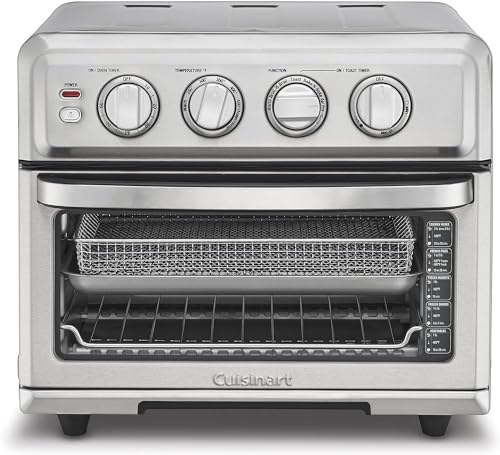
• Equipment Optimization: Use a convection setting if available for even baking.
Troubleshooting Common Issues
• Vegetables Too Soggy: This happens when vegetables are overcrowded or not roasted at a high enough temperature. Ensure they are spread in a single layer and roasted at 400°F.
• Lasagna Falls Apart: Often caused by slicing too soon. Allow to rest for at least 10 minutes before cutting.
• Cheese Not Melting Evenly: Ensure cheese is distributed evenly across the top. Check oven temperature and adjust positioning in the oven.
• Flavors Too Bland: Be sure to season each layer adequately, especially the tomato sauce and vegetables.
• Overcooked Noodles: Use slightly undercooked noodles to prevent them from becoming mushy during baking. Cook noodles al dente.
Variations and Regional Differences
• Neapolitan Variation: This version uses béchamel sauce instead of ricotta for a creamier texture, and includes additional meats like sausage.
• Sicilian Style: Incorporates more Mediterranean ingredients such as capers and olives for a tangier profile.
• Vegan Option: Substitute ricotta with cashew cream and use nutritional yeast for a cheesy flavor.
• Gluten-Free Version: Use gluten-free noodles and ensure all other ingredients are certified gluten-free.
Food Science Behind the Recipe
• Caramelization: The Maillard reaction during roasting enhances the sweetness and depth of flavor in vegetables.
• Emulsification: Ricotta cheese helps emulsify the sauce and vegetable layers, creating a cohesive dish.
• Starch Gelatinization: Cooking the lasagna noodles causes starches to gelatinize, providing structure to the dish.
• Cheese Melting: The fat and proteins in cheese melt and brown, adding a savory umami flavor.
Frequently Asked Questions
What's the most common mistake people make when preparing Ultimate Roasted Vegetable Lasagna? Overcrowding the roasting pan is a frequent issue, leading to steamed rather than roasted vegetables.
Can I make this lasagna ahead of time? Yes, the lasagna can be assembled a day in advance and baked the next day. Store it covered in the refrigerator.
Is it possible to freeze lasagna? Absolutely, lasagna freezes well. After baking, cool it completely, then wrap it tightly and freeze for up to 3 months.
What can I use instead of ricotta cheese? Cottage cheese or a blend of mascarpone and cream cheese can be used as substitutes.
How can I make this dish spicier? Add red pepper flakes or chopped chili peppers to the tomato sauce for a spicy kick.
Why is my lasagna watery? Excess moisture from vegetables or insufficient resting time can cause this. Ensure vegetables are well-roasted and let the lasagna rest before slicing.
Can I add meat to this recipe? Certainly, cooked ground beef or sausage can be layered in for a heartier dish.
What's the best wine pairing for this lasagna? A medium-bodied red wine such as Chianti complements the flavors well.
Serving and Presentation Guide
• Traditional Presentation: Serve on a large platter with fresh basil leaves garnishing the top for a classic Italian presentation.
• Individual Plates: Serve each slice on a white plate to highlight the vibrant colors, paired with a small green salad.
• Buffet Style: Cut into smaller squares for easy serving at parties, accompanied by crusty bread.
• Family Style: Place the baking dish directly on the table for communal serving, encouraging a cozy family meal atmosphere.
Conclusion
Creating the Ultimate Roasted Vegetable Lasagna is a rewarding culinary endeavor that brings joy to any table.
The rich layers of flavor and texture will impress both family and friends alike.
Try this recipe soon, and experience the delicious harmony of roasted vegetables and creamy cheese for yourself.